Apple Podcasts
 Spotify
 YouTube
 PocketCasts
 Overcast
 #103: How to Get Cited by AI Without a Big Following ft. Kaleigh Moore
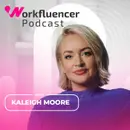
You don’t need a massive following to have expertise worth citing. But how do you become a source AI turns to, and what could that mean for your next brand partnership?
Kaleigh Moore joins Rhona Pierce to explore how creators can build AI search visibility through specific expertise and content that answers real buyer questions. They discuss why being known for something matters, what makes an expert citable, and how creators can show brands evidence that their content is already appearing in AI answers.
For brands, this creates a different way to think about creator partnerships. Who can give a credible answer to the questions your buyers are asking? That person could be an independent creator, a customer, or an expert on your own team.
Rhona brings a real scenario into the conversation: her first official creator AEO partnership kicks off an hour after recording. Together, they discuss how these deals differ from traditional influencer campaigns, what belongs in the brief, and what creators should clarify before putting a price on the work.
They also cover employee compensation, usage rights, AI likeness protections, and the challenge of measuring results. It’s an honest look at an emerging opportunity for creators and the brands that work with them.
What You’ll Learn:
- Why niche expertise can matter more than follower count for AI citations.
- How a clear topic focus and recognizable frameworks can strengthen your expert positioning.
- How to find content ideas in the questions buyers already ask.
- How to use evidence of your existing AI visibility in brand conversations.
- What makes a creator AEO brief different from a traditional influencer brief.
- Where employee-generated content fits, and why compensation matters.
- What to clarify about exclusivity, advertising rights, and AI likeness before pricing a deal.
- Why AI visibility requires ongoing testing rather than a single sponsored post.
Resources Mentioned
Kaleigh's YouTube: https://www.youtube.com/@aisearchlady
Rhona's Newsletter: https://link.rhonapierce.com/newsletter2
Connect with Us:
Connect with Kaleigh: https://www.linkedin.com/in/kaleighmoore/
Connect with Rhona: https://www.linkedin.com/in/rhonabarnettpierce
Want to turn your team into creators?
Visit workfluencermedia.com to learn how we help companies turn employee expertise into content that gets noticed.
FAQs
What is answer engine optimization (AEO)?
AEO is the practice of getting a brand or person cited inside AI-generated answers. Kaleigh Moore describes it as the science of reverse engineering what makes one source get picked over another, then tracking that position over time. It is research and measurement as much as content, because the ranking moves week to week.
How is AEO different from SEO?
AEO is the next layer on top of SEO rather than a replacement for it. The mechanics are familiar: understand the query, build the best answer, measure where you land. What changes is that each engine has its own preferences, the output is a single answer instead of ten links, and the thing being evaluated is the credibility of a named human as much as the page.
Do you need a big following to get cited by AI?
No. Kaleigh Moore argues the opposite is now true for narrow topics. LLMs favor the person who talks about one specific thing consistently and with their own vocabulary, which is a game a specialist with a modest audience can win. Reach still matters for distribution, but it is not what makes you citable.
How do you find the buyer questions to optimize for?
Start with what you already own. Kaleigh Moore pulls the question marks out of sales call transcripts, mines customer reviews for repeated phrasing, and reads the queries people type into the site search bar. She also follows up with anyone who ticks "ChatGPT" on a how-did-you-hear-about-us field and asks what prompt they used.
How do you measure whether AEO is working?
Not with last-click attribution. Kaleigh Moore puts AI visibility in the demand generation bucket and compares it to a billboard, which means share of voice, mention rate against a tracked prompt set, and competitor citation mix are the honest metrics. She is also candid that some engines, Claude in particular, are very hard to track, which is why visibility tools often price it separately.
How long does AEO take to show results?
Give it twelve months before you grade it. Kaleigh Moore went in expecting three to six months and found that wrong. Quick wins exist, but the program is ongoing rather than a campaign with an end date, so the first year is an experiment period, not a performance review.
How do brands get cited in AI answers like ChatGPT and Google AI Overviews?
Brands get cited when a credible, specific source answers the exact question a buyer is asking, and the brand is part of that answer. Kaleigh Moore, a former Forbes contributor who now consults on answer engine optimization, says LLMs evaluate sources on roughly the same principles a reporter uses: who owns this narrow topic, who talks about it consistently, and who has their own named framework or vocabulary for it. The practical sequence is to pick one or two engines rather than chasing all of them, audit how you currently appear for your real buyer questions, and set that as a benchmark. Those buyer questions should come from sales call transcripts, customer reviews, site search logs and pricing or comparison queries, not from a keyword tool. From there the lever is third-party credibility: named employees, customers and creator partners publishing genuine answers that include your brand, in their own voice. Expect twelve months of experimentation, and measure share of voice and mention rate rather than last-click conversions.
What should a creator include in an AEO brand deal contract?
A creator pricing an AEO deal should settle four things before quoting a number, all of which Kaleigh Moore says she learned the hard way. First, exclusivity: whether it exists, how long it runs, and which date starts the clock, because the contract signature date, the publish date and the final deliverable date are three different answers. Second, whitelisting and paid usage: whether the brand can run your content as an ad, on which platforms, and for how long. Third, territory, because domestic ad usage and worldwide ad usage are separate line items and should be priced separately. Fourth, and the one she calls non-negotiable, AI likeness: an explicit clause that the brand cannot generate new creative from your face or voice, since she has had to request takedowns of AI images of herself that were both unauthorized and inaccurate. Disclosure sits alongside all of this. Weave the FTC disclosure into the opening line of the content and use the platform partnership toggles on LinkedIn, YouTube and X rather than bolting a label on at the end.
Learn more about your ad choices. Visit megaphone.fm/adchoices
Rhona Pierce (00:00.148)
AI is deciding which brands get recommended and which ones get ignored. The brands that win have real people vouching for them across the internet. Kaylee Moore spent a decade in top newsrooms learning what separates a credible source from noise. Now, she helps B2B brands build real search visibility through the people who actually have the credibility to earn it. Today, we're digging into the business of creator AEO, how the deals work, and how to get cited.
Kaleigh Moore (00:28.142)
I wish more people were asking that question because I think they're just kind of sending out traditional influencer briefs and they're not the same thing at all.
Rhona Pierce (00:35.778)
need people to watch it, but you also need AI to understand it enough to cite you.
Kaleigh Moore (00:42.21)
You want the creator to be able to put their own fingerprint on it, but you do want them to have the guardrails like this is the question we are trying to be the best answer for. And we would like you to have our brand be part of your answer. This is gonna happen with AI visibility too, is that LLMs evaluate sources and people and expertise on largely the same principles that reporters and human beings do.
Rhona Pierce (01:07.906)
Kaylee, welcome to Workfluencer.
Kaleigh Moore (01:10.68)
Thanks for having me.
Rhona Pierce (01:12.866)
So for folks who haven't met you yet, can you give us the short version of the Kaylee Moore story?
Kaleigh Moore (01:18.678)
my gosh, the short version. let's see. I have been working largely as an agency with enterprise software companies for the last about twelve years. So companies like Shopify, Stripe, ATT, IBM, and helping them with the SEO side of content creation. So when I say content creation, I mostly mean blog content. So very educational, very much kind of that newsroom mentality.
So, in tandem with that, as I was growing the agency, I was also working for a few different major business publications. So I wrote for Forbes for seven years. I had some bylines at places like Boak Business, Inc., Entrepreneur. And so, really, like I said, focused on that newsroom style content where it's what's the emerging behavior that's happening here? And is there a big shift happening? And how can we be the first to report about it? So when AI came along two years ago,
the demand for that kind of work really shifted to put it very nicely. And so I had to shift what I was doing too. And that meant that I had to start learning about AI visibility very quickly. And so that's what I've done for this last year. I have spent the last, I guess since February really learning as much as I can about AEO and how creators and the creator economy at large is part of what's happening with AI visibility and how brands show up in this way that
Sh but the search really behavior is changing. And so now I do consulting for AEO. I also write a weekly newsletter called Context Window where I talk about the intersection of AI visibility and the creator economy. And that's the super short condensed version.
Rhona Pierce (02:55.446)
Amazing. So in all of your work, you spent so many years reporting and like deciding who was worth quoting. What did that teach you about how someone becomes a trusted source?
Kaleigh Moore (03:07.618)
Yeah. I feel like niche is such a big part of the answer to this question. So somebody who's very focused on a very specific piece of the puzzle. So when I was writing a piece for Fords and looking for an expert to chime in on a D D2C furniture brand who had very specifically scaled within a very specific segment of the market, there's usually one person that's the exact person who's online and talking about that very specific thing.
And I think that this is gonna happen with AI visibility too, is that LLMs evaluate sources and people and expertise on largely the same principles that reporters and human beings do. So if you are a person with a very specific swim lane focused niche, the thing that you talk about, it's very specific. It's sticky. So it's easy for humans and machines to kind of latch on to, that's Kaylee. She talks about.
AI visibility and creators and how they're part of that. So it's it's a very similar thing. And that's why I feel like it's translated so nicely to kind of this next iteration of what I do. But yeah, I think it's just I think LLMs were built with the same systems thinking that humans use to make decisions to evaluate things. And so we have to think about that when we're thinking about okay, we don't know exactly how answers are spit out of these tools, but we can reverse engineer and we can understand the
the thinking and the methodology that's probably going into the decision making process.
Rhona Pierce (04:35.936)
Yeah, and we definitely know how the people that train them think. it's inevitable that it's going to bleed into how they operate. Yeah. For sure. Yeah. So let's make sure that we're speaking the same language. Like when you say AEO, what do you mean? Hey, have you subscribed? Let's fix that. It's the easiest way to support this show.
Kaleigh Moore (04:58.904)
So AEO to me, answer engine optimization is essentially the science of helping brands show up in AI answers. And so again, it's a black box. We don't know how any of these tools make their decisions about what answers to spit out, but all of us are working very hard to reverse engineer as much as we can and try to find patterns and and trends in that data set of okay, seems like this is working. It needs to have these qualifiers. And looking at a piece of content, what makes one rank over another? So
To me, AEO is the science and the research really of trying to figure out what makes one brand get cited over another. There's also a lot of data and tracking that goes into all of this work. So typically using some sort of AI visibility tool that helps you monitor and kind of it's a moving target, all of this data. So you know, you could rank one day and then two weeks later you're not ranking anymore. So it's just this new version of SEO to me. It is the next evolution of all of this. It's
SEO plus a lot more context. And so that's that's kind of how I think about it. How do you think about it?
Rhona Pierce (06:04.366)
Pretty much the same way. that's how I've been talking to brands about it and all of my partners. And I've always been very SEO focused as well in everything that I do. So now as a creator and especially a LinkedIn creator and YouTube creator, those are the the platforms that are getting cited the most as far as we know right now. that that's that's what I tell people. It's like this is the new SEO. You don't have to forget SEO.
But when I saw Google put AI answers at the top of search results, that's something we need to be paying attention to, if you ask me.
Kaleigh Moore (06:38.978)
Yeah, definitely.
Rhona Pierce (06:40.852)
why I mean in case it isn't obvious to anyone, why should a brand care whether they show up in an AI answer or not?
Kaleigh Moore (06:48.94)
Yeah, one the most recent data points I saw said that one in three searches now start with an AI tool. And to me, that is so fast. That has happened so, so quickly. And so that's a real indicator. Like I said, the journalist in me, my ears perked up because I'm like, this is a real shift in consumer behavior where adoption rate is happening really quickly.
It's very convenient. Just think about the convenience. You know, all of us kind of use I can't say all of us, but a lot of us use AI in our day-to-day lives because it is so convenient. It's personalized. It is context rich. And so I just I think that this is not going away. And much in the same way that social media very quickly became a big integrated part of our worlds, I think that this is going to happen too. So I kind of resisted the first few months of learning about it, you know.
As you do, especially when it's coming for your business. And then I just I started getting hands on with it and I started seeing how useful it was. And I just think it's here to stay. So that is how I'm trying to think about it now. I I'd love to hear your thoughts as well.
Rhona Pierce (07:54.57)
Yeah, that's again, I at the beginning I was like, this is cool for certain things. I'm not outsourcing my life to AI. But I just got back from a conference and I just saw how many ways people are using AI that aren't even like business related. We were out to dinner. We couldn't get the the server to give us recommendations on the menu that
aligned with all of our dietary restrictions because everyone had something. Someone whipped out their phone and took a photo of the menu and asked their agent. They had their own agent to be like, hey, I'm gluten-free, so and so's dairy free, and so and so's this. What should we order that we can all share within seconds a menu? Like, come on. Love it. I was I was out shopping for sunglasses and
This takes me hours because I'm like, the shape and all of this stuff. I just started taking photos of it and feeding it to Chat GPT and say, which one do you think looks better?
Kaleigh Moore (08:59.264)
Love it. Useful.
Rhona Pierce (09:01.72)
So yeah, it's here to stay. I think that's really how people are gonna use and and those are like consumer examples, but people buying B2B software and just services as well are also that that same consumer behavior that we use for our day to day lives always, and we know this, always translates into how we do business as well.
Kaleigh Moore (09:27.95)
Course. Yep. Yep.
Rhona Pierce (09:30.168)
So when an AI engine looks for an expert to cite, what makes someone citable compared to someone who just has a large follower count?
Kaleigh Moore (09:41.016)
Yeah. I think this is the big disconnect with the creator piece of AI. so for so many years with social media, we have all pushed towards who has the most eyeballs, the largest following, who's gonna help the brand essentially get in front of the most amount of people. And I think with AI, it's this interesting shift because now it's about who is the expert. Because again, AI is kind of taking this journalistic slant on its decision making process of who's the person who knows most about this?
Who talks most consistently about this one thing, who maybe has very specific language that they talk about it in. So maybe they have a named framework, maybe they have a methodology. I think of like Seth Godin and the purple cow. Like that is his association. You know, that again, it's all about the stickiness of the idea. And so what I've seen from what I've been reporting on in my newsletter and just talking about digging into the the research and the data on this is
that if you are one very specific in your focus and talking about it, you don't have to have a big following. I mean, you don't have to have millions and millions of followers. You have to be the right person to answer the very specific question. And so that's kind of the bet that I have made with my career this past year is it is very early to be talking about AI visibility and how creator AEO plays into all this, but I'm gonna keep beating this drum for the next
However many years, however long I can sustain this, because I want to be the person who's known for this topic. And so my following is relatively small right now. I have a a decent one on Twitter, but everywhere else I've kind of been starting from a pretty modest place. And I just I think this is the way. I think that there is so much opportunity for the individual subject matter expert to become a very influential creator.
Even if they're not starting with five hundred thousand followers. Are are you seeing the same thing?
Rhona Pierce (11:37.064)
Yes. I've always bet on the smaller, more niche expert creators, which is why I named my entire brand and show Workfluencer. because I've been a creator for a long time and I've never been one to chase virality and stuff like that. Do I know how to do it? Absolutely. I've done it for so many other people, and and that has its place.
But there's this whole other side of the creator economy that for many years people were ignoring. And I think now is our time to shine. And every time I've talked to someone about building their personal brand through all of the work that I've done, I used to be a recruiter and I used to recruit for for companies, and and work in talent marketplaces. So I had to help market.
My my engineers, right? So it's always been, what do you want to be known for? That's really where you start. I think one of my very first LinkedIn articles, whenever they launched that, whatever it was called, was exactly that. What do you want to be known for? And now is the time where like that the answer to that question is so much more important than anything else about algorithms, follower size, anything. What do you want to be known for? And double down on that.
Kaleigh Moore (12:56.182)
Yeah. It's I think it's hard too because people it's all it feels like a little bit of a moving target right now where what if it's wrong for me to double down on this one thing? What if the bet is wrong? there's I mean, I have even felt that this past year. How do you how do you deal with the uncertainty of like, what if my bet is wrong on this thing I want to double down on?
Rhona Pierce (13:19.182)
I think the cool thing about the internet is that you can change. Were you not doing SEO and doubling down on that just a few years ago? It's true.
Kaleigh Moore (13:31.446)
It's true. I know. Yeah. I just I guess I get backlogged I get I get bogged down with I have invested so much in creating content around this one thing. And so what if I need to then reorient the ship? I think it's my own my own insecurity about like, gosh, I really hope this works out. But I'm it sounds like we're on the same page. So maybe I don't need to worry.
Rhona Pierce (13:54.772)
It's really always our own human insecurity that is thinking about that. And yes, there might be one or two people out there who say, like, my gosh, she's always changing her focus. Who cares? The people that matter, which are AI, the engines, right? And the brands paying you or the companies hiring you, they're not looking that far back. When I rebranded and I changed stuff, like it took me longer to be like, my gosh, and explain this.
post and tell everyone why I'm changing. No one cared. They immediately now you ask someone, what does Rona do? It's workflowencer. They don't even remember what I was doing just a year ago.
Kaleigh Moore (14:35.694)
Incredible. That's I mean, that's a good reminder. I needed that reminder because I I do feel like I I it's just been a lot of change over the last few years. So yeah. Good to pivot.
Rhona Pierce (14:47.814)
Yes, it is. So say that I'm leading content at a company and I want to do something with this, right? Like, okay, everyone's listening, they heard, and they're like, okay, we're excited.
Kaleigh Moore (15:00.858)
Where
Rhona Pierce (15:02.574)
Should I start?
Kaleigh Moore (15:04.652)
With AEO specifically or with AEO and creators?
Rhona Pierce (15:08.226)
With AEO specifically in general, could be creators or just like where do you think companies should start with AEO?
Kaleigh Moore (15:16.53)
I think the first thing to do is to kind of get a lay of the land. So do the audit, see how you currently show up, and figure out what engine you want to focus on. I think that this is a o often not very discussed piece of the puzzle is that everybody thinks AI visibility and they think all of the engines work the exact same way. Each tool has its own preferences and again you have to dig into the research on what's working well at this current moment in time. So I would say pick one or maybe two.
LLMs, whether it's Chat GPT and Google AI overviews, figure out what you want to focus on and then start doing the audit. So see for your key buyer questions, somebody who's researching and trying to make a decision about do we want to buy this tool if we're talking about B2B software, are you showing up in the answers to those questions in the AI tool that you care about? Whether again it's Chat GPT, Google AI overviews, cloud, whatever it is. And then once you have that measure, you have kind of this starting benchmark.
Of like, okay, now over time, how can we either improve this? What seems to really get picked up, what helps us like get a foothold within this category, that's what we should double down on, where are our competitors getting cited? That sort of competitive analysis of just okay, well, here's our starting point. We can improve from here. I think that's the first step. And so a big piece of this is prompt tracking. And like I said, figuring out what those questions are that somebody might be typing into a tool, that
I think is a huge piece of the puzzle. And so spend a lot of time researching what those questions are. And then you can start thinking from there like how can we get better content? How can we work more holistically to show up in these AI answers?
Rhona Pierce (17:00.05)
And I know someone listening is probably thinking, what tools are reliable to use to find these answers? There's so many out there. And obviously they all promise to do this. From your experience, which tools do you think are the most reliable right now?
Kaleigh Moore (17:16.695)
Yeah. I so I'm I'm like a no frills, not a fancy tool person. So like gong if you have sales calls, like go back and what are the common questions that come up? Look for the question marks in those call transcripts. There's your buyer questions. So you can pluck right from there. if you're a B2C company, you could go to Amazon reviews and mine the customer reviews and say, like, what are the key things that people kind of say over and over again? We need to be mirroring that language back as we're thinking about how.
people talk about the product in their own words. And to me, this is like good copywriting one on one. Go to the places where your customers are already talking about your product and pull their language from there. other places are like if you have a search bar on your website, what are people typing in there? And then I think there are some fairly obvious ones. So like the comparison posts, the pricing, a lot of a lot of people have questions about pricing, especially if you are a demo only tool, if you're a software like contact us for more pricing. People are like,
I want the pricing info. So just having the basis covered for the really basic stuff, I think is a is a good way to do it. But yeah, the the call transcripts are the real magic. I also always encourage people if they have a form field on their website and it says, How did you hear about us? And if they say like chat GPT, they tick that box, follow up with that person and say, What was the prompt you typed in that led you to us? That's a real bold mind.
Rhona Pierce (18:43.04)
Yeah, that that's really good advice. And I'm also team and and a lot of the people who listen are team like we don't want to go out and spend on this a tool right now until we actually prove it. That's that's how it works. I've been in corporate, I've been the person asking for budget. You don't just get budget just because there's a new tool. You have to prove it out. So these are great tips on easy ways to just start with what you have.
Kaleigh Moore (19:09.24)
No, you're gonna be scrappy, you're right. Yeah. you don't have the budget to go out to buy the fancy tools. So work with what you have.
Rhona Pierce (19:15.95)
I always say, at least in the HR and the talent acquisition space, budget is a trigger word. It's we're the last people to get budget. So like just do what we can. And I know it's the same thing for marketing, who's also listening to the show. So I'm a bit biased. I absolutely love employee-generated content to the point where I've built my business around it. It's what I've done for most of my career. I think.
This is a huge opportunity for companies to leverage, and I hate the word leverage, but it's the best word, the experts on their team for AEO purposes. Do you agree?
Kaleigh Moore (19:55.26)
100%. 100%. I think that they are hands-on with the product every day. They talk to your customers. They know what problems it solves. They have this very intense closeness with your product and what it does and why it's great. And so to have people internal at your company talking about that in a public space is incredibly valuable. I think we're going to see more companies get into this in 2027. I'm very curious though, and I'm I'm curious how you think about this too, is that
This is kind of a second job on top of their existing job. You know, you're asking them to be a creator, you're asking them to really help market your business. And so how do we compensate those people? There's the disclosure issue. I'm very curious how you talk to companies about how to do this the right way.
Rhona Pierce (20:46.136)
Love these questions. these are if I were to look at my FAQs, these are my FAQs that I get. Incredible. So I'll point to two episodes that I did last year with Heather Busin, is an employment lawyer, and with Cynthia Abbott Kerr, who's a compensation specialist, we literally spoke about how to compensate your employee creators because I believe they should get paid.
Kaleigh Moore (21:13.326)
Yeah.
Rhona Pierce (21:13.666)
Unless this was part of their job description, which also I did a recent episode, it's out this week with Heike Young, who's also really big on employee generated content. And we spoke about incorporating to the job description. Okay, if it's part of their job, that's a whole different story. They're already getting compensated for it. But if it's not part of their day-to-day job, so many companies are getting this right. Ulta gets it right. They compensate, they have
program called Ulta Beauties and they compensate their creators. They give them briefs and everything just like a creator would and they get paid. I have yet to be like get the details of that program. They are really good at having their employees not share this with random people that come up to the store. But that I know that the employees are happy with the program. Starbucks is also doing it really well. Sachs Fifth Avenue where Cynthia Abbott Kerr
launched this years and years ago. before this was a fun, like the the thing that everyone was doing was compensating their creator employees. Now most of them are in sales. So it's easy to do this with salespeople to to do the compensation because they're very like money driven in general and like commissions and they're used to that like fluctuation. Other other employees
that that's really not what motivates them. So then there's another interesting thing like Heike was talking about of like training. If you give them the the tools, the training, if you partner with companies like we do at Workfluencer Media and the your employees all they do is give us the raw info and we create the content for them. We produce these videos that then live on their profiles.
People take that as compensate. I mean, it is compensation. It's costing the company something and it's a win-win situation. So be creative, but definitely compensate your employees because this is something that's benefiting you and them as well, but it should be compensated. No one should work for free.
Kaleigh Moore (23:22.196)
No, and it's not easy to create good content, you know, especially video. So much of this is video I feel like these days and I have learned firsthand how intense video can be. Especially like production isn't free. So yeah, lots lots to factor in there.
Rhona Pierce (23:40.854)
Yeah, yeah. I'm always gonna be team pay your employees to do extra work. It wouldn't be right of me as someone who's worked in HR for so long to come and help emplo companies exploit employees. there's always the the questions about what happens after the the employee has left or
What if they do a brand deal with a competitor and stuff like that? And I think all of these things are easy to solve as long as you have your policies laid out and both parties agree to whatever the policies are.
Kaleigh Moore (24:22.828)
Yeah, yeah, it's simple. You just gotta have the right yeah, infrastructure in place for all this.
Rhona Pierce (24:29.624)
So I'm gonna be a bit selfish here. I just landed my first official AEO deal and I have the the kickoff call for it literally an hour after this. So I'm gonna put myself in the hot seat. If you were coming into that meeting with me, what would you ask the marketing team like before we create anything?
Kaleigh Moore (24:53.578)
as the AEO consultant, what would I ask you? Yeah. basically just like what is your plan? What is your plan for the next three to six months? walk me through basically how you're gonna get started and what we can expect as far as results. I feel like that's always the question I get to, is like, how will we know that it's working?
Rhona Pierce (25:16.93)
Yes, that is a big, big question. And we'll get into that in a few. But before we get into that, I want to know like should we treat this like a traditional campaign with like with a start and end date? Or does AEO deals require like kind of a different mindset?
Kaleigh Moore (25:37.08)
I mean, I think they require a totally different mindset because it's really more of a billboard. It's more it's more in the demand generation bucket than demand capture to me. Like you are advertising, you are trying to stay topic mind, you're trying to be visible. You are not necessarily with AI or with AI search visibility trying to convert people who are ready to buy. I think this is a consideration phase effort. So attribution is very, very hard.
Just in the same way that it's pretty hard for a billboard to be attributable. So that's that's where I stand on it.
Rhona Pierce (26:15.758)
Contribution, the we just love it. Marketers love it. Creators love this conversation. How do we prove to a brand that what we're doing is actually working?
Kaleigh Moore (26:33.258)
It's it's hard. It's hard, especially with this, because I think I think you can look at metrics like share a voice, mention rate, basically just like how often are we showing up in our for our buyer questions? Are we in the conversation? Our named employees, our named experts, our creator partners, are they helping us build visibility in that way? And again, it's hard. It's really hard to track. Like Claude specifically is very hard to track.
just as a metric because they don't they're so so much more locked down than the other tools. So i it's so hard. I don't have a good answer.
Rhona Pierce (27:10.904)
Well, th this is interesting. And and it also ties back to something you were saying before, where it's like focus on specific platforms. And I didn't understand this until right now. This is probably why all of these tools out there that help you measure this, there's always an additional cost for Claude. And I was like, Why is it like, why are they charging extra for Claude? Well, this makes sense. So as a brand, focus on one by one. You can't like conquer everything together.
at the same time, just focus on a few and then I think I would as a brand focus on the ones that are easier to to measure, and then you learn what to do on the on the clods of the world and the harder and the more expensive ones before throwing money at tools. what do creators and even employees need?
from the brands, from these marketing teams, in order for a AEO campaign or deal to go well.
Kaleigh Moore (28:14.04)
That's a great question. I wish more people were asking that question because I think they're just kind of sending out traditional influencer briefs and they're not the same thing at all. So we've talked a lot about specificity. I think a good creator brief or an AEO program is
Again, tackling a buyer question. So they want the creator to go out there and create an answer to a buyer question. And they want to do it, they want to have the creator do it in their own voice, right? They don't want to put the words in their mouth and heavily script and you need to talk about all the features, you need to talk about all the benefits. You want the creator to be able to put their own fingerprint on it, but you do want them to have the guardrails like this is the question we are trying to be the best answer for. And we would like you to have our brand be part of your answer. So
Come up with that answer however you see fit. Script it however feels most natural for you. You know your audience, you know your content, do that. But the goal we're working towards here is educational, informational. It is not entertainment. And I think that that is the big difference between historical briefs and briefs for AEO. Do you agree?
Rhona Pierce (29:20.386)
Yes, I agree to a certain point. I think there is ways of incorporating entertainment. I will have a better answer after this deal because I included I'm like, we'll do the educational, but I want to do one entertainment slash educational video to see how it works. I I'll record back to see. But I it I think it's for creators, it's and for brands at the same time. It's really intentional.
Kaleigh Moore (29:42.23)
Please do. Yeah.
Rhona Pierce (29:49.932)
Like when you're thinking about the scripts for your videos or whatever you're writing, you have to think about how AI engines work. So it has to be questions. You have to be answering things. It can't be your traditional, like, this is cool and this is a great hook for social media. You're you need people to watch it, but you also need AI to understand it enough to cite you. So I think it's a really fun challenge.
Kaleigh Moore (30:06.659)
Yeah.
Kaleigh Moore (30:15.438)
So I
Rhona Pierce (30:19.162)
and I'm excited to see where we go with this and how far we can push it. But it's a totally I've seen as I've prepared for this, a totally, totally different mindset. You have to go into this with.
Kaleigh Moore (30:31.404)
Yeah. I am so excited to hear that you're doing the entertaining and educational because I feel like that is the best of both worlds, right? Like you can still have a great hook and give a really good, thoughtful answer to a question with a lot of depth, a lot of research. Tick all those boxes. that's what I'm also trying to do more of in my content. I have not found a good way to strike the balance of more entertainment and education together. So I will be watching this very closely. Very excited.
Rhona Pierce (30:58.554)
we'll see. one one thing people don't can know about me is that I will test everything. And if it doesn't work, we'll just pivot because that's just what I do. So one thing that we haven't discussed, but we kind of have to when we're talking about brand deals and even employee content.
Kaleigh Moore (31:10.026)
That's how you do it. Yep.
Rhona Pierce (31:20.992)
Is the FTC. They I was gonna say unfortunately, no, they fortunately exist and they regulate these things for for many reasons. It protects all of us. But when you have to lead with an answer to a question, you have to lead with a question. Where does that leave the whole they want you to say this is sponsored within the first X amount of seconds and stuff like that? Have you found how to strike that balance?
Kaleigh Moore (31:47.456)
I think you can weave it into the narrative a little bit. so for example, if I'm doing a deep dive on a report that is a brand partnership, they have basically given me early access to the report or something like that, I will weave the disclosure into the opening paragraph. So it'll be like, later just gave me early access to their new report on creators. This is brought to you in partnership with them, the data is theirs, the opinions are mine. So I think that you can kind of naturally weave it in without it being a gross like this is an ad.
I also think it's great that so many of these platforms now have disclosure toggles. So like LinkedIn, you can say it's a brand partnership. YouTube has that same thing too. I think t I know Twitter has it. So that helps too. That makes it a little bit easier. I just always veer to be over disclosey. So I always will put that caveat in the opener. but it's very interesting to see the full spectrum of how creators handle this.
Rhona Pierce (32:42.582)
Yeah, and and how brands are, because the natural thing is don't say it's sponsored. Well, we have to. Like that's not a we don't get to choose. take that one up with the FTC is what I always tell people. But like just finding that balance because now you're thinking now you're adding all of that into the mix. It's like it has to be an answer format, has to be a question. You want AI to pick it up, you have to format your your transcripts for anyone doing video.
You have to and and please let me know if I'm missing something, but you have to have chapters. You can't just like throw your your transcript in there. And I do this for the podcast, I do this for YouTube, I do this for everything. It's like put them in in question format and how people would type it in. And that way, that that's my hope. Again, we're all guessing on this. Yeah.
Kaleigh Moore (33:36.492)
Yeah. I know. Yeah. You upload the caption file, you hope for the best and you just kind of monitor and see what works and what doesn't and you learn from there.
Rhona Pierce (33:46.808)
So th th we're talking a little about the the deal side of this and this raises the the money question, right? Like if a brand approaches a creator for an AEO partnership, what should the creator make sure is in the scope before they put a price on it?
Kaleigh Moore (34:06.182)
so a lot of things and I've I've learned this the hard way. number one, is there exclusivity rules? Like can they and if so for how long? And does that date start from the day the content is posted or from the day the contract is signed or from the last deliverable? It can be any version of this. So that gets very tricky. also can they whitelist it? Can they use it for advertising? Can they take your content and use it and put it on LinkedIn or YouTube or
whatever they choose to use as an advertising and if so, like you want to price that in because that's that's extra. Then there's also the you're gonna use it domestically as an ad or are you gonna use it worldwide as an ad. Those are two very different buckets. the biggest one for me that has been shocking is AI likeness. So they cannot take your face and create new ads based on this one deliverable that you hand off. Putting that in there I think is a must for every single contract, every single time because
Even like podcast guesting, I have had some really horrific AI images generated where I've had to go back and say, Please take this down. I don't want AI images of myself out there on the internet. Also, that doesn't look like me. so those are the big ones, yeah.
Rhona Pierce (35:21.432)
I love that you're you're saying the AI image thing. It's a it's a hurdle that I have with my team because it would be sometimes we don't get headshots from our guests. And sometimes they don't have headshots that are professional looking. And I'm like, well unfortunately that's what we're gonna have to deal with, or we're gonna do old school. We do old school Photoshop with a
Amazing graphic designer and go in and just like draw and like make this the best that you can. But AI, really, that's even easier and more accurate than using AI. I I'm very, very like I the only way I use AI generated images of me is a specific model that I've trained.
Kaleigh Moore (36:01.89)
Yeah. Yeah.
Kaleigh Moore (36:11.512)
Okay, perfect. That works. But yeah, some of them are scary and you're just like, Who's this? That's not me.
Rhona Pierce (36:18.062)
Exactly. Don't put that in an ad. That is not me. And I wanted to to talk about the ads piece of things because okay, essentially in a AEO deal, a brand is buying or renting per se your credibility, your stuff, and your platform, right? The whole thing is third party citations, like third party sources, right? When they make it an ad, does that defeat the purpose?
Kaleigh Moore (36:46.84)
I don't think so. I think it is just a new form of user-generated content, really. Sometimes it's a customer who's the creator, sometimes it's an employee, sometimes it's a hired creator influencer, kind of the traditional sense. I think all of these can be used in ads. They are just different formats and new versions of the same thing. And I I think even if it is a brand partnership.
The caveat here is if they are a paying customer, if the creator, I think that's the best way to source creators. Like if you find a creator who's already a paying customer, the level of authenticity that you're gonna get from that ad, I think it's gonna perform better, I think it's gonna feel more realistic. The use case that they're talking about is gonna be a slam dunk because it's something they're actually using it for. However, if you just kind of hire people and pluck them from the ether, they don't know anything about your product, that's a very different ad that they're gonna create. And so I always advocate for.
Use the ones who actually already pay for your product, give them a free give them free access, you know, do what you need to do, pay them, do all of that. But I I I just think it it hits differently. So that's that's kind of where I fall on that one.
Rhona Pierce (37:58.24)
Yeah. And I think for I've spoken to some creators who when they hear this advice to brands, they get hesitant and they get scared because they're like, I don't use every software out there and this is what I do for for a living. And let me know what you think about but my approach is when I have those conversations with brands and they're like, Well, we want to do we want our users. I'm like, Great, UGC is perfect type of
Content out there. Maybe your users aren't professional creators. Maybe they don't know the algorithms the way that we do. So let's team up. And I've turned partnerships into now I'm the influencer consulting with your UGC people on how to make the content that they would make still in their voice amazing. And then that's another avenue for us as creators to like.
Embrace this because it is true. Someone who uses it is always going to have a better and it's just gonna hit different.
Kaleigh Moore (39:03.308)
Yes. I I think that's the best of both worlds. Like give somebody the expertise that they don't have, like infuse that into their product knowledge or their use case that they're very excited about. Have someone like you come in and say, Okay, here's how you do a good hook. Like let's work on the thumbnail. Let's, you know, come up with a good angle for this so it is gonna be entertaining. I wish more more companies would do that. And I hope that in the future they will get on board with that. I just right now I still see a lot of separation between
Creator and customer slash employee.
Rhona Pierce (39:37.654)
Yeah, I think we have to help and when things are new like this with AEO, with everything, with creator marketing, we have to help brands see things that they aren't necessarily seeing. Yeah. And I mean, the worst they can say is no.
Kaleigh Moore (39:54.232)
Yeah. Yeah. And to come in as a proactive, like, hey, I know how to do this, that to me is very appealing to especially marketers who have twenty pounds in their ten pound bags right now and are so overwhelmed with everything. That's a huge value add.
Rhona Pierce (40:09.774)
So or marketers, they have it really tough. They answer it to absolutely everyone pretty much. What expectations would you set with leadership about like the timeline for something like this to work?
Kaleigh Moore (40:25.196)
Yeah, it's not quick. It's not quick. And this is the conversation I'm used to having from the days of SEO, but this is not a quick win thing. You can find quick wins within AI visibility, but I think long term as a program, this is something you don't measure once and then say, Okay, great, we did it. This is you have this is programmatic. Like this is kind of forever. Until the tools stop measuring, stop pulling fresh content into answers.
This is ongoing forever. So it it is a moving target. It is not a static set of metrics that you can check once a quarter and be like, yay, or boo. It is super dynamic. And so I would say for somebody who's just getting started with this, give yourself at least 12 months to experiment before you start saying, okay, performance-wise, this is doing well, this is not doing like that is your initial test period just to learn.
and I think starting out I was like, three to six months, that'll be plenty. No, it's a long game for sure. Do you are you finding the same?
Rhona Pierce (41:28.384)
Yeah. it's hard to sell because I think brands a and I understand them are used to let's do one campaign to see how this works. And I I I feel kind of bad for the the newer creators because it's harder for them to say stuff like what I say. I don't do one off deals. Like I've just come to that point. It's like I know how this works, I've been doing this.
Look at my track record. If we want this to work, I tell people we have to get in bed for a while before we can see some some traction on this. And it's not because I'm not good at what I do, but it's because views aren't what I'm after. And it's not what you're after. So always taking it back to the goals that they have, I always use people's language back to them. You told me what your goals were. This is your goal. This doesn't happen with one post.
Yeah. But here's my plan for it over twelve post, over I don't know, twenty post for it to happen. And the good thing about longer term engagements is that you can tweak along the way. If after a month that's plan isn't working, kill that plan and go with a different one.
Kaleigh Moore (42:43.81)
Yep. Yeah. I think that makes a lot of sense. And yes, because all of this is so new, s changing so quickly, the ability to flex like that is incredibly important.
Rhona Pierce (42:56.366)
So we've I I really appreciate everything that you've shared today. It's been a really great conversation. I know people listening are probably thinking, okay, where do I start?
Kaleigh Moore (43:11.148)
Yeah, so I would say with AI visibility work or thinking about the creator piece of the puzzle, like I said, start with getting the baseline. start listening to podcasts. I feel like that's how I got started. Listening to podcasts like this one where people are talking about how they are finding their way with it. You'll start to learn the language, the terms, because there's a whole new vo vocabulary that comes with all this, which I think is very fascinating. All this new language that didn't exist 18 months ago about like
mention rate and share a voice and like these are things that we didn't have before. So like give yourself some time to get familiar with the glossary of terms and learn passively. Like listen to the podcast, read the blog posts, subscribe to the newsletters, start measuring, get your baseline, and then just experiment. I think all of this is very experimental right now. I think it is not a perfect science. So it's a great way to get super hands on.
but yeah, go into it with a methodology of I'm gonna try a lot of different things and see what works. I'm gonna find the patterns and just learn as you go.
Rhona Pierce (44:15.47)
Amazing. And I just thought of something else. We we've talked a lot about how the brands can approach where to start and the questions and and what people are asking them. As a creator, selling this to brands, how can I position myself? Like I do I know my share of voice in in this specific topic? Like any advice there?
Kaleigh Moore (44:40.952)
Yeah, find a tool that helps you track how you are ranking for different terms. there's a few out there on the market, but I think having those metrics in your back pocket are incredibly valuable. If you don't have a fancy tool, you can do something as simple as like screenshot for a key term. If you are in the Google AI overview, for example, or if you show up in a chat GPT answer for a very specific topic or keyword even.
that is something that you can hand over as like, hey, I'm already part of this answer. I have a foothold here. If you'd like to piggyback off of that, like I I can prove to you that I'm already surfacing within these engines, even if it's a little bit of a I mean, a screenshot is not a fancy dashboard or anything like that, but it's something, right? It's it's something to prove like, hey, I'm part of this answer. So that's what I've been doing and that's what I'd encourage other people, especially being very scrappy, to to do.
Rhona Pierce (45:37.964)
Great advice. And I think there's a lot of tools out there. Most of them aren't created for the creators. And I get why, right? so yeah. I just thought about that. It's like anytime someone has texted me and said, like, my gosh, I just asked ChatGBT this and you came up. I need to take those screenshots because that's what you're coming up for. So yeah, great advice there. Amazing. So I have really enjoyed this conversation. Where can listeners connect with you?
Kaleigh Moore (46:00.878)
Perfect.
Kaleigh Moore (46:07.284)
I spend way too much time on both Twitter and LinkedIn. So I'm Kaylee F on Twitter, LinkedIn, you just type in my name and then my newsletter is context window. It goes out once a week and it is about AI search and the creator economy, kind of where those two worlds converge. So yeah, those are the big three.
Rhona Pierce (46:24.846)
Amazing. Thank you so much for being on the show today. If you're enjoying the Workfluencer pod, share with someone who's changing how we talk about work or who should be. And hey, if this episode gave you ideas or inspiration, leave us a five-star review. Reviews help other listeners find us. And honestly, it makes my day. This show is produced by Workfluencer Media. Visit Workfluencermedia.com
Kaleigh Moore (46:27.672)
Thanks for having me.
Rhona Pierce (46:50.68)
To learn how we help companies build video first content systems that attract, engage, and retain qualified talent, that's WorkfluencerMedia.com. Thanks for listening, and I'll chat with you next week.