

 Apple Podcasts
 Spotify
 YouTube
 PocketCasts
 Overcast
 #98: Why Creators Are Going Back to Corporate Jobs ft. Lissette Calveiro
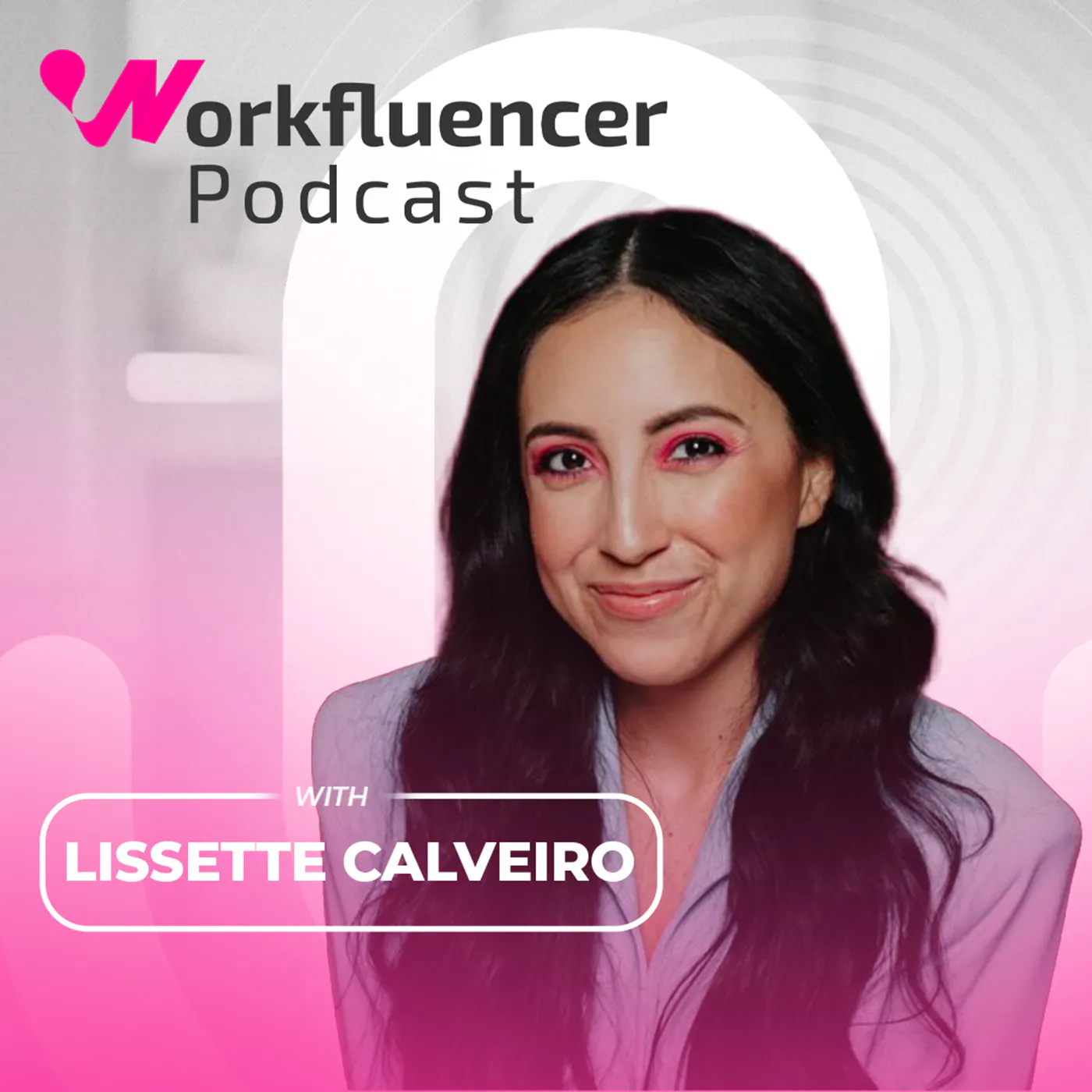
Creators were supposed to leave corporate behind. Now some of them are going back — and companies are creating roles specifically for people with creator experience.
Lissette Calveiro has spent nearly 15 years in the creator and influencer marketing industry and managed more than $10 million in brand partnerships. Today, she’s watching the creator economy evolve in an unexpected direction: creators are bringing their skills back into companies, while companies are realizing they need creators at the table.
In this episode, Lissette explains why creators are moving into corporate roles, what these new creator-focused jobs actually look like, and why going back to a corporate job doesn’t mean the creator economy failed.
We also talk about why authority and expertise are becoming more valuable than follower count, how creators should think about pricing brand deals, why sponsorships shouldn't be the only way to monetize your audience, and how to build a creator career that can evolve as your goals change.
Plus, Lissette shares the most she's ever made from a sponsored post, the $45,000 deal that went sideways, and why she believes creators have more negotiating power than they think.
What You'll Learn:
- Why creators are going back to corporate
- Why returning to a corporate role doesn't mean the creator economy failed
- What creator evangelist, creator advocate, and creator relations roles actually do
- Why companies need creators involved in their creator strategies
- How creator experience translates into valuable corporate skills
- Why authority and expertise are becoming more important than follower count
- How to build a creator business that doesn't rely entirely on brand deals
Resources Mentioned:
- Influence With Impact: https://influencewithimpact.co/
- Rhona's Newsletter: https://link.rhonapierce.com/newsletter2
Connect with Us:
- Connect with Lissette: https://www.linkedin.com/in/lissettecalveiro/
- Connect with Rhona: https://www.linkedin.com/in/rhonabarnettpierce
Want to turn your team into creators?
Visit workfluencermedia.com to learn how we help companies turn employee expertise into content that gets noticed.
_____________________________________
FAQs
Why are content creators going back to full time jobs?
Many creators who went all in during the pandemic burned out or realized full time content was not the career they wanted. At the same time, companies started creating roles that need real creator experience, from evangelist positions to community leadership. Going back in house is increasingly a strategic move, not a failure, and many creators keep their businesses running alongside the role.
Do brands still care about follower count?
Less than ever. Brands can put paid spend behind any post, so reach alone is cheap. What they cannot buy is authority. Creators with lived or professional expertise, like registered dietitians and financial planners, are now among the highest paid because audiences trust what they say.
How should creators price brand deals?
Price on the scope of the project, not your follower count. Usage rights, exclusivity, timeline, labor like scripting and B-roll, and your authority on the topic are all line items. Back your number with data so you can defend it, and expect more nos than yeses at healthy rates.
How can creators make money without brand deals?
Digital products and services are the most common starting point because they cost nothing to launch. That can be an ebook, a course, a membership, or paid strategy sessions. They do not depend on views or followers, just on a community that trusts you.
What is a creator evangelist role?
It is an in house or contract role where a company hires an experienced creator to inform creator strategy, build relationships with creators, and be the brand's face to the creator community. Adobe, Sprout Social, and influencer agencies have all created versions of it. The job is a point of view, not just campaign execution.
How does FTC disclosure work when you are employed by a brand?
The working test Lissette uses: would people know I am being paid? She lists the affiliation in every bio, and adds explicit disclosure any time she endorses a product. Quick answers to product questions are conversation, but anything that could influence a purchase gets a clear disclosure. This is her practice, not legal advice.
What types of jobs are available for creators?
Companies are hiring creators for roles such as creator evangelists, creator relations leaders, creator advocates, creator liaisons, and other positions focused on building relationships with creators and informing creator strategy.
Do you need a large following to make money as a creator?
No. A smaller, trusted audience can generate business opportunities through consulting, clients, speaking engagements, products, and other services. Audience trust can be more valuable than raw follower numbers.
How much sponsored content should creators post?
Lissette recommends an 80/20 approach, with roughly 80% of content remaining organic. Too many sponsored posts can create audience fatigue and weaken trust.
Why is the creator economy shifting from followers to authority?
Because anyone can buy reach, but nobody can buy trust. Paid promotion can put any post in front of an audience, which means a large following is no longer a scarce asset for brands. What is scarce is credible expertise, either professional credentials or deep lived experience, that makes an audience believe a recommendation the first time they see it. That is why talent managers report that creators with titles, like registered dietitians and financial planners, are now among the highest paid, while lifestyle and entertainment creators struggle to sell anything to communities they built purely by entertaining them. The shift also explains why companies are hiring creators into strategy and evangelist roles: they need people who understand the creator experience in the room, not just marketers who hire creators. For professionals, the takeaway is to lead with the expertise you already have rather than chasing follower counts.
Is going back to a 9 to 5 job a failure for a content creator?
No, and the data points the other way: it is an early but growing trend among experienced creators. Many creators who scaled up during the pandemic hit burnout or discovered self employment was not the career they wanted, and roughly five years in, a job change is normal in any career. Meanwhile companies have realized their creator strategies fail without actual creators in the room, so they are creating roles like VP of creator relations, creator evangelist, and audience support specialist, the role Lissette Calveiro holds with Adobe while still running her own business. These hybrid arrangements benefit both sides: the creator gets stability, insider knowledge, and transferable career growth, and the company gets someone who genuinely understands the community it wants to reach. The creator economy has always been bigger than the talent on camera, and moving between roles inside it is a career path, not a retreat.
Learn more about your ad choices. Visit megaphone.fm/adchoices
Lissette Calveiro (00:00.11)
I started to notice that fade out of what I call the pandemic creator is working from home or sadly maybe got laid off just in the nature of what the economy was looking like at the time.
Rhona Pierce (00:11.798)
Where do you see the creator economy going from here?
Lissette Calveiro (00:15.884)
Brands are way more interested now in hiring people who have authority or expertise.
Rhona Pierce (00:21.134)
Companies are waking up to the need for these types of creator first.
Lissette Calveiro (00:25.486)
It's no longer just the person with the most amount of followers because honestly anyone can boost anything. They can't sell to their community because they spend all day entertaining them. So the only time I see those creators get hired is when
Rhona Pierce (00:39.854)
For years, the creator economy sold one dream: build an audience big enough to walk away from your nine to five. Lisette Calveiro is here to tell you that the smartest creators are walking back towards that job and they're doing it on their own terms. She spent nearly 15 years in the industry, managed over 10 million in brand partnerships, and built a consultancy helping creators turn influence into real business.
We're talking about why the creator to career pipeline is running in reverse and what that says about where this is all headed. Lisit, welcome to Workfluencer.
Lissette Calveiro (01:15.458)
Thank you so much. This is such a perfect conversation for your community.
Rhona Pierce (01:20.194)
All right, so for folks who haven't met you yet, what's the Lisa story in thirty seconds?
Lissette Calveiro (01:26.712)
Lissette started the typical career path. You study the thing, you do the thing. And along the way of working in public relations and advertising, I got tasked with figuring out influencer marketing before it was a thing. And being tasked with figuring something out from scratch meant I was kind of entrepreneurial from day one, moved forward, and I decided to turn that into my full on business and have always been talking about this topic as a creator.
blended the two worlds to have what I have today, a business that consults creators and being a creator myself.
Rhona Pierce (02:00.942)
Amazing. Love it. So there's always been this narrative that like making it as a creator means going full time. When did you start noticing the creators quietly moving in the other direction?
Lissette Calveiro (02:16.59)
I feel like we are in the very early stages of this trend, which is really awesome that we're talking about it right now. About two years ago, I started to notice that fade out of what I call the pandemic creator. The pandemic creator is working from home, or sadly, maybe got laid off just in the nature of what the economy was looking like at the time. So they put all their eggs in the basket of growing their social media, of building a personal brand, and they either
you know, burnt out doing it or stopped being interested in doing it. And so if you think about at least in the millennial group, you job hop a lot. So it's natural that if they started building this this growth and this following, that roughly five years later, they're like, I think I'm I think I'm over it. Right. So it wasn't, I think, driven just because of people's failures. I think there was a piece where they're like, this
type of business, this type of career maybe isn't right for me. So I either want to go back to this, you know, air quotes nine to five, or I want to do something that just creatively challenges me a little bit better than working for myself.
Rhona Pierce (03:25.714)
And you touched on it a little. Going back to full time isn't necessarily like a failure. That's I think the lazy assumption. I think I personally think there's something bigger going on and I don't know if you agree with me that companies are waking up to the need for these type of creator first roles. So do you agree with that?
Lissette Calveiro (03:48.478)
100%. Because for so many years we've been saying, you know, creator marketing is the future, but the people who are building these strategies are further and further removing themselves from the creator experience. If you have only hired creators all your career, but you don't really know how to put yourself in the brain of a creator, you may not even be putting a strategy together that is creator successful. I see this happen all the time in advertising agencies. There are these big execs who have a cool idea.
And they go, let's get some influencers on it. But the idea doesn't really mesh well with influencer stories, or it it's it's like a brand serving idea that's just not gonna work well with creators. And so what I think they're noticing is all right, we actually need creators to be in the room. We actually need creators to help us figure out if this idea has any weight or how we can make sure this idea translates so that creators can authentically participate in it. So they're realizing we are not creators.
We are marketers, we actually need those people who live the experience every day because creators know their community, they're strategists in their own way, so they know what performs best. And then they're also just creative directors and producers of work. So I think that they've noticed that if they're not sitting the table, it's just feel so disconnected. And why not take advantage of people who have worn 10 hats? Great to have a team member like that, right?
Rhona Pierce (05:14.378)
Yeah, for sure. Definitely 10, 20, many hats I'm worn as a creator. Hey, have you subscribed? Let's fix that. It's the easiest way to support this show. So what do these creator focused roles actually look like day to day?
Lissette Calveiro (05:33.39)
Some of the most popular ones that I've seen is a creator taking on what we call an evangelist role or a community connecting role. So that might look like vice president of creator relations, or it might look like Adobe is hiring a creator evangelist. And the literal job description typically is to help inform the creator strategy and to build relationships with creators on behalf of brands.
I see that happen at Sprout Social. They are a huge social media influencer marketing company. Brands go to them to find creators. And so they've hired someone in-house to be a creator liaison. So it's less so about, you know, another marketer, another marketer has gotten hired to do the execution of finding a creator and getting a campaign live. No, it's much bigger than that. It's informing the point of view of creators.
Think another really great one is Social Current, who's another influencer marketing agency. Recently on Threads, one of their creator advocates, as they called themselves, was talking to creators on Threads, just saying, This is our point of view as an agency. We pay creators in seven to fourteen days. So they kind of are starting these conversations. It's almost like they're the face of the brand in front of creators' eyes. So these roles.
you know, run by creators because they've been in those positions are adding so much more trust to the companies who have them.
Rhona Pierce (07:06.094)
I love that. And and that's such an important thing that I think gets missed and left out of the conversation with creators because there's this assumption that just because a brand reaches out or wants a creator, the creator wants to work with them. And that's not the truth.
Lissette Calveiro (07:21.132)
Yeah, money can only take you so far. You have to be enjoyable to work with. And let me tell you, there are so many agencies that I've worked with, you know, being a creator who's hiring me, and I just think, I wish you knew what what I'm thinking on my end, right? I wish you knew that net ninety is unsustainable and I wish someone in the room would go walk to the finance office and make changes, but they don't because they don't have that experience.
Rhona Pierce (07:47.922)
That is so interesting. I was I was having negotiating a brand deal and and I was like, this isn't like net ninety is not real money in my brain as a creator. And I also own an agency that produces my content for me. So I'm like, no, this is a cash flow nightmare on both fronts. Net ninety is a non negoti like a non starter for me type of thing.
Lissette Calveiro (08:11.758)
A hundred percent.
Rhona Pierce (08:14.53)
So let me push on that. Like w we're talking about the we love this. I love the the fact that this is happening. I wanna push on the optimism a little, right? Isn't there a reading where like creators taking jobs just means that the creator economy couldn't sustain people so they went back and got W twos. What do you say to to a skeptic that's seeing it that way?
Lissette Calveiro (08:40.19)
My hot take is that the creator economy is more than creators. I actually believe creators are a small fraction, maybe the smallest, of the creator economy. Because the creator economy doesn't exist without film, without editors, without assistants, without agents, without strategists, without everyone in between the out.
That you imagine happens in the creator economy. When we think creator economy, we're thinking content. And yeah, you're creating content, you're creating conversations, but talent is the last step in that. They're making the thing and getting it live. It took so many bodies to get that thing live, or it takes so many bodies to produce a conference, you know, where we're talking about social media and content and all of these things. So in many ways, it's just creators being in positions that I think benefit both.
It benefits the creator to have an ear in these rooms and to become better at their career. It also helps them, you know, talking to peers and saying, listen, this is what I'm seeing. So maybe you should be doing X, Y, Z. And then it benefits the companies who are hiring them. So I don't think that they're taking jobs. I think the best person for the job will come. And I haven't yet, right, seen that brands are hiring people just for a follower account.
It's been a lot more based on their authority, how connected they actually are to the creator community, and all of these examples that I'm kind of sharing with you.
Rhona Pierce (10:10.166)
That is such a great, great answer to that question. so I know that recent rather recently you took a role and you are you're still a creator and you're you're working, I guess, part time. Actually, explain to me what you're doing with Adobe.
Lissette Calveiro (10:26.734)
I love the tangled question because it sounds like every single person who speaks to me, they're like, wait, what are you doing with Adobe? So what's really great is Adobe is gathering a handful of creators to be what they call the audience support specialists. And yes, it is not a full-time role with Adobe. I'm still my own creator and my own business owner. but this is a role where we're coming in and we are supporting Adobe with
community management with creators, so literally on social media, with bringing trends together of what customers are saying about different products. So it's a little bit of a blend with being the front-facing person for care. So who better to answer a question about a product than the people who know and use the product? Who better, you know, to go throw out a quick tutorial for someone when they have a question or when something's not working than the people who literally use the product?
So we, this group of five of us right now, we're all assigned products, you know, based on where we hold authority and based on what we actually use. And we are the people replying to everyone on social. We are replying from our own socials whenever we want to advocate or really endorse something someone might be saying. And it's been really, really fun because we're essentially helping Adobe have again that link a two.
Creators and creatives, so not just people with a following, but the audience of people who literally use the product every day and make them feel loved and seen and bring all of those trends and conversations and ideas back to the Adobe team.
Rhona Pierce (12:04.374)
That is so smart of the Adobe team to to do that. How does it and and this might not be a question that you have the answer to because I know it's not your area of expertise, but we know about FTC disclosures and all of that. How does that work with this type of role?
Lissette Calveiro (12:21.87)
That's actually a great question that we're trying to navigate every single day. But you know, again, not legal advice. I am not a lawyer, but I spend a good amount of time trying to make sure I'm FTC compliant just out of values and ethics. I always want people to know I'm getting paid for something if I'm being paid. So some of the ways I've personally addressed this, this is not Adobe driven, it's just my own interpretation of how I'd want to show up. I've actually added this.
title or my version of it, I call myself an Adobe Yapper because that title sounds really clunky. And at the end of the day, what I do is talk about Adobe all day and talk to people about Adobe all day in my allotted hours for that project, right? And I have that in all of my bios. So if someone were to see me make a comment, they can go to my bio and see that I am like formally affiliated with Adobe.
If I am ever endorsing a product, right? So on threads, I do this a lot. I go see what people are talking about with Adobe Express, which is one of the products I own and work with in this capacity. If I'm saying something like they are amazing, right? An endorsement, I always say full disclosure, I work with them, or hashtag Adobe Partner. I'll say it in different ways. So people know if I'm literally saying something that is influencing someone to download this thing, like explicitly.
I'm going to disclose it. If I'm just answering a quick question, I probably won't disclose it because it's kind of just I'm I'm just keeping a conversation moving forward. Like, hey, does anyone know how to do this? And I'll say, Yeah, look, quick tutorial, you know, one minute of how I did that. I don't really add that in. But again, people could go to my page and see that I am a formally officiated or affiliated with Adobe.
Rhona Pierce (14:01.746)
I absolutely love that approach. Yeah. I I mean, obviously I'm not a lawyer. I don't work at the FTC. I don't know, but it's like I mean, it you covered everything. People know. Yeah, it sounds right.
Lissette Calveiro (14:14.178)
I think that that's the best way to interpret FTC because everything's so new, right? The FTC doesn't even they probably don't even know this is going on yet. They're so fine because it's a government run agency. But I think one of the things that I always come back to is will people know that I'm paid by Adobe? And if they don't know that, then that for me is a problem. So I want them to see patterns. I want them to see they can go to my page and know that I'm officially, you know, working with Adobe, you know, in every capacity.
Rhona Pierce (14:45.258)
And I mean it's pretty clear to be like I obviously you know how algorithms are. Like I follow you, but I don't see every single one of your posts. I saw you talking about Adobe at some point and I went back and I was like, Does she work there? And then I saw and then I saw that you had it and then that you had made a post about what you're doing. So yeah, it's just I I it's there. Everyone can see. So
A lot about like talking a little more about your experience working with creators and everything, so much of lasting as a creator really comes down to money, specifically charging what you're actually worth. Why do so many creators struggle to do that, even the good ones?
Lissette Calveiro (15:32.704)
Yeah, I think a lot of creators, a, it's just been the culture of the industry, right? C consistently being invalidated. This is not a real job. You're just taking pictures, you're just making little videos, dancing on the internet, you know, there that could be a whole podcast, right? Especially for a majority women industry. But I think the culture of creators being being told that you're not good enough.
is kind of the like mental layer to that. But then also I think creators are still so with this energy of I'm so lucky to be doing this or I'm so happy to be here that they're less willing to take bigger risks or bigger swings when it comes to rates because they have a little bit of that scarcity mindset. The creators who are really successful, they know that they can not just throw out a number, right? Because I also believe in
Validating rates with data. So you gotta have the data. You can't just say, I want $20,000. You gotta tell me why you want $20,000. But the creators who are really good at doing that, they are so much more confident in knowing that if that brand said no, that's okay with me. Or that brand is probably gonna negotiate with me anyway. They're not gonna walk away. So it's this like level of confidence. but third, I think there's a lack of education in what goes into rates.
A lot of people have been taught the idea that it's driven by your follower account when it's a hundred percent driven by the scope of the project. And a lot, you know, I love to I actually have a creator calculator. And the way that this is built is we're thinking about your channel. Yeah, but that's one line item. The real money comes from the terms and conditions, the amount of labor being involved, your authority, right? Because you might be doing one post.
But if you're using my content for a year, that one post has a year-long shelf life. You're gonna be paying me a lot more money. If you're using me because I'm an expert in a topic, then you're gonna be paying me a lot more money. If you want me to do a video that is 60 seconds long and I have to go shoot a bunch of B-roll and take videos everywhere, you're gonna be paying me a lot more money than if you allow me to do a quick speaking to camera 30 second bit. So
Lissette Calveiro (17:51.744)
All of that to say is the lack of education, you know, is missing because to have the confidence to ask and to get over the fact that you are being told you're less than, you need data. And so I always lead with education first. And it's a lot of what I do with influence with impact.
Rhona Pierce (18:09.706)
It's so I I speak to so many other creators and of course, you know, everyone has their little creator group chat where you're talking about these things and it's like, hey, how much did you charge for this? And how much did you charge? Well, today I was at literally right before this, I was working on updating my calculator for my rates. And I I have this special, I guess, thing that a lot of creators don't have where my agency produces my stuff, so I have to calculate.
How to make money on the agency side also, not just me. So as I'm working through this calculator and just going back and forth fighting with Claude, it's like, well, no, but you already have, there's a lot of profit in there. And I was like, absolutely not. Where's the time to script, the time to do this? And I think that's the mentality that most creators have. It's like, well, I'll I'll as long as I can pay my editor, then the rest of the money is all good. And it's like,
Did you calculate how much time it's taking you to go do B roll, scripting, back and forth, project management? All of that is a line that you have to charge because it's the scope of the work, not just the end product type of thing.
Lissette Calveiro (19:20.975)
Exactly. And if you're only basing it off your follower account, you're doing yourself a disservice because you're just charging for the end product.
Rhona Pierce (19:29.196)
Yep. I and brands love that by the way. But that's not sustainable as a business. And I think that's why a lot of people end up burning out and and going to do something else. And they're like, this creator thing didn't work for me. And it's like, But did you make it work for you? Like
Lissette Calveiro (19:45.164)
Yeah. Yeah. And you know what's interesting? There's a lot of conversation in the past about pay gap. And when I was sitting brand side, I knew that there were certain creators, especially the smaller ones, of course. The pay gap was also driven by creators just not knowing their rates. And it's really hard for a brand to say no if all you're asking for is five hundred dollars. That means they can hire three more creators after that, right?
And I remember never forget there was this one time that a really incredible creator, he had over a hundred thousand followers. He was BIPOC, and those are the communities who are usually seeing the bad side of the pay gap. And he did ask me for five hundred dollars. And I was like, You have one hundred thousand followers. I am giving you this amount. And he was like, Are you sure? And I was like, Don't don't ask me questions. I hope that you know that this is your the rate you need to be telling people.
And so he was super happy with that. Again, did amazing work. And so it's hard for a lot of agencies to ask them to do that. And even so, sometimes the pay gap feels a little bit smaller, but it's a pattern over time. Maybe you're not charging 500, but you're charging a thousand. That's still low. And over time, it's a gap. It's money lost, right? Because you're not advocating for what you should be paid.
Rhona Pierce (21:03.956)
Do you think as you do more deals and as you get better at doing it as a creator that you should increase your prices?
Lissette Calveiro (21:11.308)
A hundred percent supply and demand. There are some creators that we manage inside Influence with Impact that have a lot going on at the same time. And we literally will tell the brand, this is their rate. I understand it's a premium for what you might be used to for a creator of this size, but for them to make space for you and to prioritize you, this is what they're charging. They don't want to overwhelm their community with ads. They only take a certain number of ads every month. This is what I recommend to everyone, by the way.
And the brand might say yes or no. And you actually usually get more no's than yeses. But you have to be okay with that because I'd rather do ten amazing campaigns for twenty thousand dollars in one year than having to do a hundred campaigns just to make the same amount of money.
Rhona Pierce (21:55.114)
Yes. And I mean, it just back to how advertising has worked since the beginning of time. A media property has certain slots for advertising for whatever for a month or whatever the the time of the publication is, right? The frequency is. And companies have always known, like, well, I can buy in this lot, this lot. I think it's the same way you should treat your your stuff. And I I treat it that way like LinkedIn, this
YouTube this, YouTube this. These are the amount of slots that I have 'cause I've also don't want to become QVC and just like be a twenty four seven ad creator.
Lissette Calveiro (22:32.654)
I used to advise creators have an eighty twenty rule. Like eighty percent of your content should still be organic. If you can't fulfill that, right? Because let's say you have a really hot month and you secured 10 ads. If you can't make, you know, eighty percent matchup, I can't do math out loud, but you know what I mean? If you can't make eighty percent equivalent of organic content, then you probably should say no to a few of those or move them to another month, right? Because
It is something that your audience notices, you lose trust over time. And then what you want is when an ad goes live, you want to be to people to be excited about it. And if it's just ad number five of the week, as human nature, we're gonna get really exhausted and really kind of like fatigued with having to engage with that.
Rhona Pierce (23:21.324)
Yeah. And and I think a lot of creators get intimidated by the brand comes and they're like, we have this campaign and it has to run this month and blah blah. So many times it's been so easy to me for me to say like, Well, I'm already at capacity with I'm working out with other brands and I really want your post to get the attention that it deserves and not be f like not my audience be tired of ads. Let's do it next month. Easy yes. yeah, sure.
Lissette Calveiro (23:51.106)
Yeah. Yeah. And again, a lot of creators are afraid you know, they're afraid from day one. They're afraid from the moment they get the email. But and and it's something that I also talk about is advocacy doesn't end at the negotiation. It ends when you get paid, literally, 'cause then you have to fight people to get paid sometimes. So along the way, like ask for what you need before you sign a contract, ask for the timeline. Make sure it works for you. And you have so much more power than you think.
Rhona Pierce (24:17.41)
Yes. We've been talking about the the brand deal side of things and I know that's what everyone thinks when they think about being a creator and a creator economy, but what does a durable, like unglamorous version of a creator business that doesn't lean entirely on brand deals actually look like?
Lissette Calveiro (24:34.988)
Yeah. So this is a great question because when you say content creator and monetizing as a creator, oftentimes people only think of brand deals and they think of the air quotes influencer. But I firmly believe if you are making content on the internet, if you have a podcast, if you have a substack, you are a content creator. Now how you choose to monetize is completely up to you. I would say that for a lot of people, the first way that they end up monetizing
If it's not working with brands, it's through having their own digital program or digital product because that's a zero dollar startup, you know, when you are coming up with the idea. Yes, you'll need a platform to run things on, whether it's an ebook or, you know, a membership or a course, but those are just kind of service fees that come with the actual income you're receiving. But it's a zero dollar startup cost. So oftentimes that's a really great way for creators to get proof of concept.
If I'm a content creator talking about, you know, overall rest wellness and I have recipes that I post on my account. Could I throw an ebook out there for 15 bucks, you know, with recipes and see if people would buy that? If it's a hit, then maybe I'm writing a book two years from now. If it's not a hit, totally fine, because that didn't really cost me any money. Yes, time is money, but it's something that has the time that I spent has shown me more about my business.
And maybe you're another creator, right? You're a parenting creator and you love to give advice about, you know, moving to a big city. I actually recently saw this and loved that. And maybe you want to throw out, you know, strategy sessions where you sit with your people for an hour and you map out their plan on moving to a big city. Help them out with every little detail that maybe they don't know, maybe they don't want to research. That is a digital service. So digital services, products, courses, those are kind of the first things people launch and you
Do not need a following for it. You just need to be, you know, to have a trusted community wherever you're at. I'll never forget my business coach that I hired years ago. I found her when she had a couple thousand followers and she was already making a million dollars a year because she had such a trusted community of a couple thousand followers. She built out her email list, you know, all of the above. And that's a great way just to, you know, start monetizing your business.
Lissette Calveiro (26:52.386)
The other common way is monetizing by content literally. So if you have YouTube, you know, getting paid by YouTube AdSense. If you are on Substack, having a paid version. So all of those things, however, still require volume to make a significant income. So if you want to monetize through YouTube, you have to have the views. If you want to monetize through Substack, you have to have the volume of subscribers. So selling your own digital anything.
Gives you a lot more control and doesn't rely on views or followers that much.
Rhona Pierce (27:25.088)
I love that you are giving examples that don't r rely on views and followers. Most of my audience, I mean, the show is called Workfluencer. So it's really a lot of professionals who are monetizing their expertise or like creating content about what they're experts in. And they don't necessarily want to have huge followings. And so a lot of the people that I speak to don't want that at all. so yeah, but there is ways and I think a lot of people think
Well, if I'm small, I'm never gonna monetize and I'm just creating this for, I don't know, to maybe get a speaking opportunity somewhere. And it's like, no, there's so many ways.
Lissette Calveiro (28:02.156)
Yeah, your social channels are your storefront, you know? So I I know to your example, LinkedIn creators, they don't care to have a million followers. In fact, the most successful ones have under a hundred thousand followers. And the success is not just in brand deals. I'm really happy that more brands are paying attention to LinkedIn, but the success has been booking clients, booking speaking engagements, being used for your knowledge, which is what we all want at the end of the day.
is to be seen, to be respected, and to be able to get paid doing the thing we love. So if you're yapping about the thing you love, check, you're done.
Rhona Pierce (28:37.88)
Yep, yep. Where do you see the creator economy going from here? People are going back, people are going forward, where do you see it going?
Lissette Calveiro (28:48.184)
Well, you know, I just mentioned authority. And that is if I could stand on the soapbox, talk about how authority is the most important asset that you can have in your creator business. And what I mean by that is, you know, starting at the brand partnerships level. Brands are way more interested now in hiring people who have authority or expertise. The expertise can be through lived experience, or the expertise can be literally professional experience. An example I'll share is Influence with Impact. There's a
route in our company that is talent management. And some of the highest paid talent this year are people with titles. So they, you know, we've got registered dietitians, we've got financial experts and planners. So it's really the people who have a literal expertise that they are leading with that are getting paid the most. And I think it's because brands are noticing that it's no longer just the person with the most amount of followers because honestly
Anyone can boost anything. I have, you know, the algorithm doesn't show that person's ad. Great. I'm gonna put paid behind it. But if it's a random person with a story, it's probably not as impactful as someone with authority, whether again, it's lived experience or professional experience to be able to share so that other people are like, wow, I really trust this. Like it's my first time seeing an ad by this person, but I'm intrigued because they seem like they know what they're talking about.
So really, you know, we all have so many experiences, be it professional or not. And I would say, you know, refine those skills, talk about those skills. If you're also a business owner, right? Like you're an agency owner, we want to see the behind the scenes as well because it's also likely that you might get hired by someone who wants, you know, a business owner. I'm gonna be working with a brand in the finance space soon and they want me to talk about it from the perspective of being a business owner and having again that authority from experience.
And so that for me is the most important part of the creator economy, which also then translates to everything else. If you want to expand your career beyond brand partnerships, who's more likely to buy what you're selling? People who trust you. And that trust is no longer being consistent, right? That's still a piece of the pie. You have to show up online if you want to make, you know, money from content, but it's way more about quality. It's way more about learning from you, going on a journey with you.
Lissette Calveiro (31:13.122)
And then they're more likely to buy from you. And you know, we started this podcast by talking about people going to these nine to five settings. Who are they gonna hire? The people who actually have experience, right? They're not just gonna hire a creator with a lot of followers. They're going to hire someone who, you know, is good at community management. Myself with the Adobe role, I have transferable skills as being a marketer all my life to be able to support them with this. So authority.
expertise. I know that every single person has a story out there or, you know, something they're really, really good at. Solidify that. Don't just create a platform, you know, day in my life and telling us what you're doing.
Rhona Pierce (31:53.61)
Yeah. my gosh. That the you summed up so well. And I hope that people listening or watching, like, go back and listen to that. Like really, your authority, your like what you've worked for your entire life, because for whatever reason, that's how everyone's life starts, right? You go to school, you learn stuff and you want to apply stuff. Like just lean into that. Find your thing and talk about that. And you will be way more successful.
then I think that's where where it's going. Like then the people that were dancing and stuff like that and no shade to those creators. That is like amazing. Good for you. I that that's not my job. but like I think where we're moving towards is is this direction.
Lissette Calveiro (32:42.476)
Yeah, a hundred percent. And to what you're mentioning, right? The creators who are very lifestyle, entertainment, I am now seeing so many more of those creators struggle because the only time they get hired, first of all, they can't sell to their community because they spend all day entertaining them. So I don't like trust you on something. If someone is, you know, a skits comedy creator and you're selling me like a membership
I can't even come up with an example because I'm like, I don't even know what I would buy from you. and then a brand themselves, it's hard for them to see themselves in you. So the only time I see those creators get hired is when there's something very niche or they want, you know, maybe they had a viral moment and the brand wants to kind of tag along to that, but it's one moment in time, it's not a lasting career. So, you know, I'm not saying that you can't have those channels. Again, no shade. There you're probably monetizing, even just from again, views.
But if you want a career and content creation that lasts, you gotta make sure that you're adding to that resume.
Rhona Pierce (33:44.51)
Love that. So if you've ever watched the show, you know there's always a segment. There's this new one that I'm doing because I I actually I created it because I've been nosy my entire life. These aren't the types of questions that you were expecting, but they're the ones that I'm really curious about. Are you ready? All right. Because I'm nosy, I want to know what's the most money you've ever made from a single sponsored post?
Lissette Calveiro (34:01.92)
I love Nelsie questions.
Lissette Calveiro (34:10.999)
From a single literal sponsored post, the most I got paid for one was ten thousand one hundred, and that for context was because of exclusivity. It's pretty long.
Rhona Pierce (34:23.489)
Yo, I love that. I love that. What's the most money you've ever lost on a deal that went sideways?
Lissette Calveiro (34:31.467)
my god, I actually just wrote a s made a video about this like a month ago. Forty five thousand dollars and i it still haunts me till this day. Nothing that was my fault, just the reality of what happened with that campaign.
Rhona Pierce (34:45.336)
Are you able to share a bit about what happened?
Lissette Calveiro (34:48.615)
I am on a very hard NDA, so but the story I I will I will hint at something. I shared a story about contracts. And essentially, I guess what I could say is nothing major happened other than this whole thing got canned after we already started. And so the thing that I learned from it in contracts, I read every single contract of mine. We also have lawyers we work with, so I always feel pretty covered. And when you're doing contract, there's always a clause about termination.
And you write, you know, things go sideways or halfway, I'm still gonna get paid for the time I've spent, but I didn't define what time spent means. And as someone who has a marketing background, coming up with a script, a concept, a storyboard, all of that is the work. Like filming the video is actually the smallest amount of time. and so yeah, it went sideways in the sense that wasn't my fault, but had to do a little back and forth contract fighting to get mu some money out of it.
Rhona Pierce (35:47.884)
Yikes. Well, what's the pettiest reason you've ever declined a collab or a brand deal?
Lissette Calveiro (35:56.074)
Is it petty to say that I basically you know, called out how much money they're worth as a company and what they're offering me is insanely disrespectful. but I've got some spicy responses I've sent before on and I'll literally put, your company like valuation is and are you seriously offering me a hundred dollars? And I never get a response, you know. Six full.
Rhona Pierce (36:21.196)
I love that. But yes, we all think that I mean I've thought that many times. It's like, you just raised, I just saw the post about you raised X amount of billion and you're offering me this. Like I I don't even want to respond to this email at this point. last one. If I interviewed one of your closest friends, what's something they'd tell me about you that your audience would never guess?
Lissette Calveiro (36:46.53)
Think that my one of my best friends, I'm just thinking about who it would be, and I would tell you, she'd probably say that I am a huge people pleaser, and that I often slow myself down or question my decisions because I'm thinking about people all the time. And not, you know, strangers on the internet, but I'm constantly thinking about letting people down. And a lot of what I think you see is obviously my day-to-day or the output, but you don't see.
That maybe I was working on something or struggling with something for six months because I was like, I don't wanna let them down. Or, you know, I didn't let a team member go for a year because I'm like, I don't wanna let them down. And yeah, I think people think I'm this like advocate for yourself, confidence, yeah, which I am, but I also really am a huge people pleaser.
Rhona Pierce (37:35.438)
Great. Well, I've really, really enjoyed this conversation. Thank you so, so much. Where can listeners connect with you?
Lissette Calveiro (37:44.684)
Yeah, so my name's Lissette at Lesette Calv on all the platforms and Lissette Calveira on LinkedIn. I would say LinkedIn and Threads are the places that you may wanna see me in the most because that's where I just yap and yap about the creator economy all day. Instagram gets the visual version of me, the curated version of all the things that I remember to clip because I also tend to live life offline very well.
and influence with impact is the name of my business. We do all things strategy for creators and also talent management for creators. So reach out over there if that's something that you're interested.
Rhona Pierce (38:22.03)
Amazing. Thanks again for being on the show.
Lissette Calveiro (38:24.568)
Thanks for everything.
Rhona Pierce (38:26.126)
If you're enjoying the Workfluencer pod, share with someone who's changing how we talk about work or who should be. And hey, if this episode gave you ideas or inspiration, leave us a five-star review. Reviews help other listeners find us. And honestly, it makes my day. This show is produced by Workfluencer Media. Visit Workfluencermedia.com to learn how we help companies build video-first content systems that attract, engage, and retain qualified talent.
That's Workfluencer Media dot com. Thanks for listening and I'll chat with you next week.
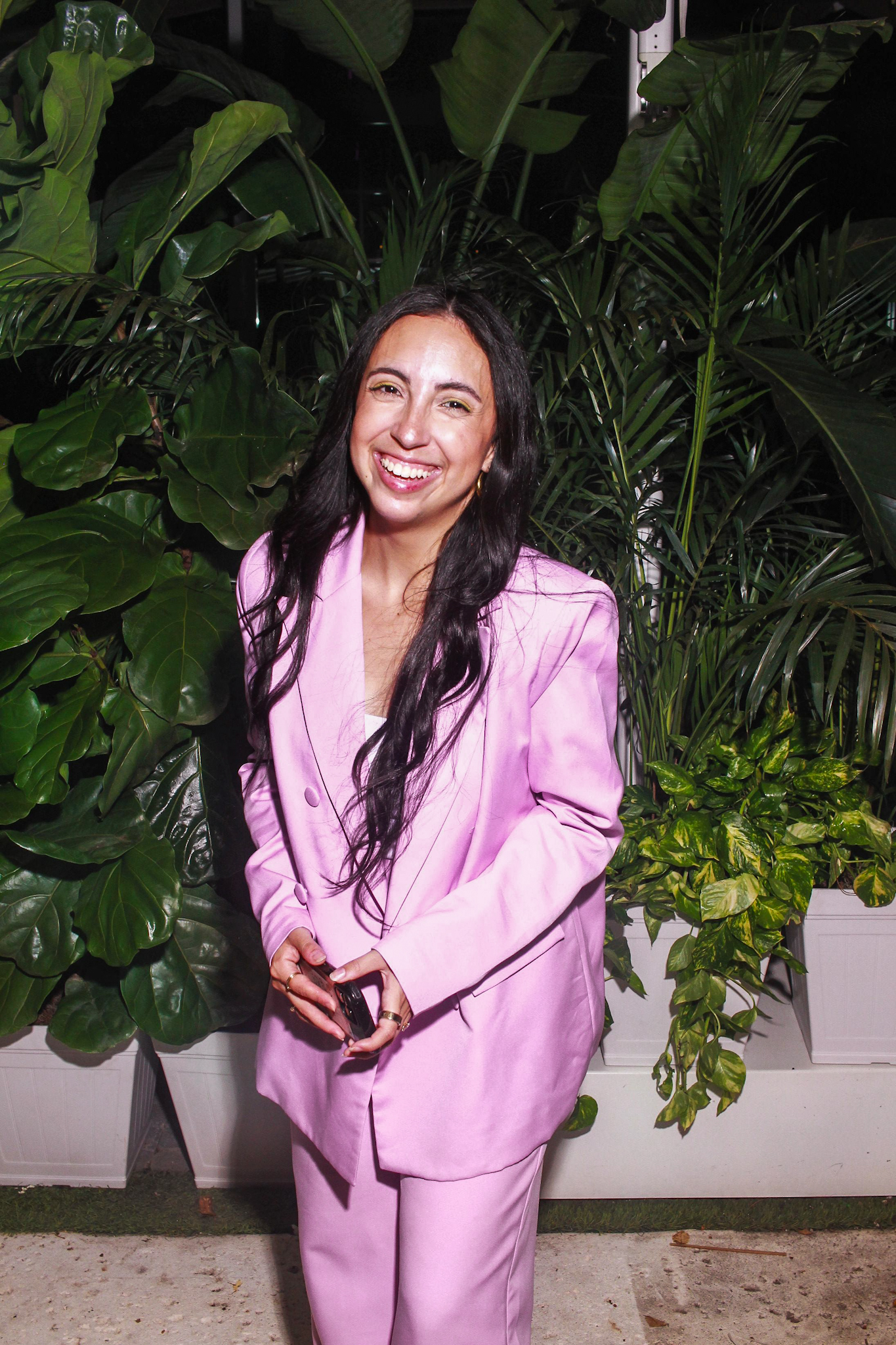
Creator & Founder at Influence With Impact
Lissette Calveiro is a Latina entrepreneur, content creator, and strategist for influencers and personal brands navigating the creator economy with intention.
As the founder of Influence With Impact®, she leads a creator-first consultancy offering business coaching, talent management, and strategic education to help creators turn influence into income without losing the human behind the brand. Known for documenting her own journey, Lissette offers an honest look at building a business, and life, in public.
With nearly 15 years in the space, Lissette is also a seasoned influencer marketing expert who has managed more than $10 million in brand partnerships across CPG, finance, lifestyle, and tech.
Her work has been featured in outlets including Forbes, Business Insider, and Fortune, and she has shared her industry expertise at VidCon, the Adobe Creator VIP Summit, Create & Cultivate, Google HQ, the White House’s first Creator Economy Summit, and as host of Instagram Creator Week.
She is known for bridging the gap between creators and the industry, bringing transparency to monetization, negotiation, and sustainable growth.


