

 Apple Podcasts
 Spotify
 YouTube
 PocketCasts
 Overcast
 #96: How to Land Brand Deals Outside Your Niche
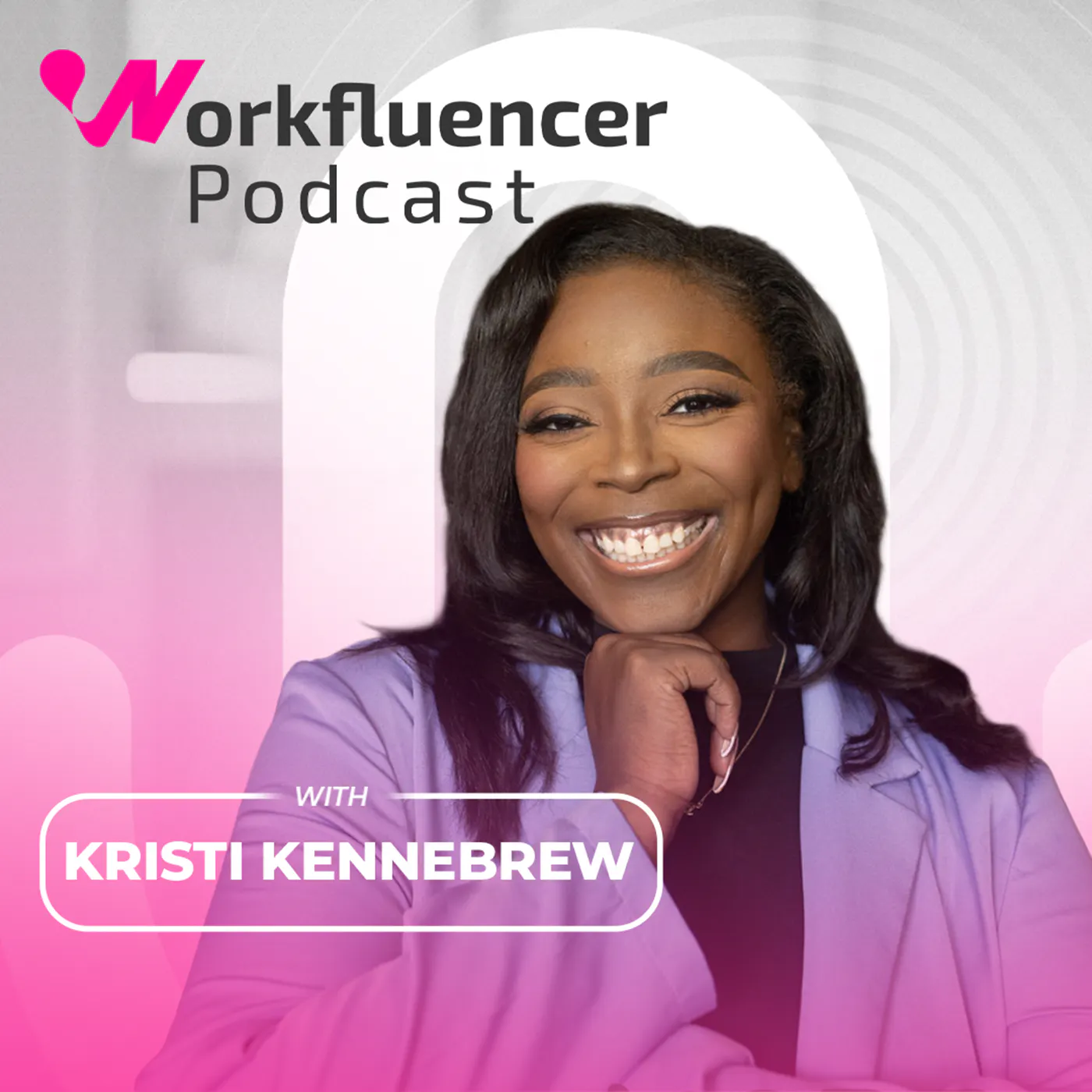
Brand deals rarely come from playing it safe inside your niche. Kristi Kennebrew built Get Me Hired Kristi into a career brand with hundreds of thousands of followers, then landed sponsorships nobody expects from a recruiter turned creator: a World Cup activation, a mattress pitch, even a fly trap brand. She never quit her day job to do it.
Host Rhona Pierce talks with Kennebrew about how she pitches lifestyle and mainstream brands by connecting everyday products to her audience's real lives, not just their job titles. They cover her content cadence for blending career advice with brand deals without alienating followers, and why she treats content creation as a safety net rather than a stepping stone to full-time creator life, a strategy that carried her through two layoffs.
This episode is really about turning trust into revenue. For professionals, it is a playbook for expanding a niche personal brand into new markets without losing the audience that got you there. For companies and brands, it is proof that career and workplace audiences are still just people who buy mattresses, watch soccer, and want to be treated like more than a demographic.
Listeners will hear how Kennebrew pitched a mattress brand and lost, what made a fly trap brand deal come through instead, why LinkedIn's algorithm shields her from backlash when she posts outside her lane, and how her newsletter became the proof point that moved her from recruiting into recruitment marketing.
What You'll Learn:
- How to pitch mainstream brands by connecting your everyday habits to your audience's real needs, not just your niche
Resources Mentioned:
- Visit Kristi's website: https://getmehiredkristi.com/
- Get Rhona's Newsletter: https://link.rhonapierce.com/join-newsletter
Connect with Us:
- Connect with Kristi: https://www.linkedin.com/in/kristi-kennebrew/
- Connect with Rhona: https://www.linkedin.com/in/rhonabarnettpierce
Want to turn your team into creators?
Visit workfluencermedia.com to learn how we help companies build video-first content systems that attract, engage, and retain talent.
FAQs
How do you pitch non-traditional brands as a niche content creator?
Start by identifying what your audience needs in their everyday life outside your niche topic, then make the case that they are still human first. Kristi Kennebrew pitched a mattress brand by pointing out that job seekers going back to the office need to feel rested, and landed a World Cup sponsorship because platforms saw her as a trusted voice in a host city, not because she covered sports.
Should content creators quit their job to go full time?
Not necessarily. Kristi Kennebrew has intentionally stayed in her full-time recruitment marketing role while running Get Me Hired Kristi, treating content as a safety net rather than an exit plan. That approach has carried her through two layoffs without the pressure of content being her only income.
How often should you post brand deals versus regular content?
Keep a steady cadence of the content your audience actually expects, then sprinkle in off-topic brand partnerships rather than leading with them. Kennebrew maintains her usual mix of tools, resources, and job search advice, and treats sponsored posts as an occasional addition instead of a pillar.
What's the difference between recruiting and recruitment marketing?
Recruiting is sourcing and placing individual candidates into roles, while recruitment marketing is building the branding, strategy, and content that attracts candidates at scale. Kennebrew moved from talent sourcing into recruitment marketing after realizing the newsletter and content skills she built on the side were directly transferable.
How do you build a personal brand without losing your day job?
Know your company's social media policies well enough that you never put your job at risk, and build in real time management instead of treating content as an afterthought. Kennebrew is explicit that she is not the voice of her employer and stays deliberate about the line between her brand and her job.
Does posting off-topic content hurt your engagement on LinkedIn?
Not necessarily. Kennebrew has not experienced pushback from her audience when she posts outside her usual career lane, partly because LinkedIn's algorithm tends to surface content to the people it is actually relevant for. She has also gained new audiences, including a sports-focused one, by branching out.
How did Kristi Kennebrew grow Get Me Hired Kristi and land brand deals outside HR tech?
Kristi Kennebrew started Get Me Hired Kristi in 2021 by reposting tech recruiting opportunities from LinkedIn onto Instagram and TikTok so more people could access them, and the platform grew into a hub for entry-level roles, transferable skills advice, and a tech and non-tech companies series. As her following grew, brand platforms began reaching out based on her location and audience rather than her topic alone, which is how she landed a World Cup activation tied to Dallas being a host city. She has since pitched brands like a mattress company by connecting their product to her audience's everyday life as working professionals, and signed a fly trap brand deal by tying the product to interview scenarios. Her approach treats her audience as full people, not just job seekers, which opens the door to sponsorships well outside typical HR tech categories.
Why does Kristi Kennebrew keep her full-time job instead of becoming a full-time creator?
Kennebrew has been through two layoffs and treats content creation as a safety net rather than a replacement for stable income, saying directly that she has never wanted to be a full-time creator and does not see how people manage it. She loves her work in recruitment marketing, where she builds strategies and branding to help recruiting teams find talent, and considers that her professional home even as her content brand has grown large. Running both requires her to be, in her words, on her Ps and Qs, since any misstep in her day job risks being blamed on her content career. She manages the balance through batch recording, taking deliberate breaks from posting when her passion dips, and staying closely aware of her employer's social media policies so the two paths never conflict.
Learn more about your ad choices. Visit megaphone.fm/adchoices
Kristi Kennebrew (00:00.398)
I decided to start making content because I started seeing opportunities out there that people didn't have access to. I've never wanted to be a full-time creator. I don't see how people do it. I've been through two layoffs. They don't understand how many times I've been told no, how many times I've been rejected. I treat content creation not only as a passion, a side hustle, but a safety net.
Rhona Pierce (00:27.112)
If you mess up in your full time job, the immediate thing is, it's the fault of the content creation or something like that.
Kristi Kennebrew (00:36.866)
to be on your P's and Q's if you're gonna be able to do this.
Rhona Pierce (00:40.206)
How do you balance weaving in those things into your regular content?
Kristi Kennebrew (00:45.844)
actually just got breaking news that I've been accepted for a brand deal for
Rhona Pierce (00:52.334)
Everyone's chasing full-time creator life. Christy Kennebrew built a brand without wanting it. She's grown Get Me Hired Christy into a real brand, attracted sponsors way outside the typical HR tech lane, and she's done it all without leaving her nine to five. Today, we're talking about what it looks like to build on the site on your own terms. Christy, welcome to Workfluencer.
Kristi Kennebrew (01:15.646)
Yes, thank you so much for having me.
Rhona Pierce (01:18.392)
All right, so for folks who haven't met you yet, what's the Christie story in thirty seconds?
Kristi Kennebrew (01:24.302)
Christy story. So yes, I go by Get Me Hired, Christy, and I am the bridge that connects professionals to opportunities and recruiting teams to innovative hiring tools. So that is kind of me, my brand, and a in a bunch.
Rhona Pierce (01:43.096)
So you've built Get Me Hired, Christy. It's it's a real brand. It's it's big. but you've also you're also still working full time. So like what made you decide to start creating content?
Kristi Kennebrew (01:58.53)
You know what? I decided to start making content because I started seeing opportunities out there that people didn't have access to. So I would see so many recruiting opportunities. This is back in 2021 when recruiting was hot, like especially tech recruiting. I would see so many opportunities posted on LinkedIn through my network because I'm connected with a lot of recruiters and hiring managers. And I was like,
Can people see these? And so I've started putting them on Instagram and TikTok and sharing them there with the hopes that people would kind of funnel over to LinkedIn and know that, like, hey, those these are where the jobs are. And it has kind of blossomed and grown into this space where I'm talking about entry level roles now and the space where I'm talking about transferable skills. Cause one of my slogans is transferable skills are real. And so it's it's
It's grown, my baby is grown and I'm so proud of
Rhona Pierce (02:57.966)
Why was it important for you for people to know about recruiting roles specifically?
Kristi Kennebrew (03:04.29)
You know what? Because I was passionate. I was so passionate. I am very passionate about recruiting and helping people gain access to opportunities to jobs where they can make money, especially when it came to the tech space. Cause I've I've been in the tech space for at that time was like seven, eight years. And so I wanted people to have access to opportunities like I had that ch can change your life, really. Your financial situation.
That can change the of the type of people that you're around, your network, and just expand your mind to a lot of innovative things that were happening in the tech space as well. So that was very, very important to me.
Rhona Pierce (03:46.38)
Yes. I and I I love that mission because it's like recruiting is is really like you said, it's life changing the opportunities that you can get and that you can help other people get these same life-changing opportunities. And I don't know about you, but me as a black woman, I always want to see more of us represented in tech.
add in all of these spaces. So and this is how you do it. So I love that that's how you started and that you've continued doing it.
Kristi Kennebrew (04:21.174)
Yeah, for sure. I was like there was many, many rooms where it was just me. Or it was me and like maybe another black man that was there, you know. And so I think I I tell that story all the time where I I look around, I just saw myself as the only black person in in those spaces. And so it was very important for me to be able to be like, hey, like these opportunities are here. And I didn't, you know, go to school for like HR.
or anything like that or you know, recruitment. I didn't have a background in that. I come from a sales background actually and didn't know anything about tech recruiting or working at a big tech company at that. So the fact that, you know, I was able to kind of find my way in that space. I wanted to break down the barriers for others to come and find their way in that space as well.
Rhona Pierce (05:10.574)
Amazing. What's it like balancing content creation with a full-time job that you actually like? Is like, is there ever tension between the two? If you've made it this far into the episode and you're not subscribed yet, now's a good time.
Kristi Kennebrew (05:26.366)
man, I I think so. You know, the type of content that I make runs hand in hand with the type of work that I do. And I think sometimes it can be a good and a bad thing, you know, to be able to separate the two because it's like you have your full-time job and then you have your content creation. But it has been one of the most rewarding things for me to be able to create content because I now create the content to help the professionals.
in my network and I think that has been yeah it's been just so rewarding at the time but it it's hard finding the balance I would say at times I feel like I'm always working like I'm always working like after your full nine to five is like okay well it's time to create content
Rhona Pierce (06:10.603)
So,
Kristi Kennebrew (06:22.38)
You know, and I have tried to balance it in a way to where I do batch recording. I know a lot of people, a lot of creators do batch recording, but I'm I'm always thinking about ways that I can be creative, ways that I can create new content and put it out there to my audience, my professionals, my job seekers. And that I guess is just the overachiever in me.
Rhona Pierce (06:47.886)
As opposed ever gotten you in trouble at work or like have you had to take something down because your company asked you to?
Kristi Kennebrew (06:56.174)
I've never had to experience that personally, but I've seen that a lot around me, when it comes to other like creative friends that are around me. But I try to be very, very careful careful, and understand just like my company's policies when it comes down to it posted on social media and any side projects that you you know, that I'm aware of. So I think that that is really, really important that, you know, I'm
I'm not the end all be all voice for my company.
Rhona Pierce (07:28.62)
And that's so important that you mentioned like you are familiar with the policies. Most companies, especially large ones, have social media policies. So as long as you are within what they the guidelines that they've laid out, there shouldn't be any problems. I think where a lot of people get in trouble is they're not aware of these policies and they're doing things that are outside of it. But also, let's be real, there are just some people
in companies that are not that nice, I guess, to creators sometimes for whatever reason. And that can also create problems. But I think most of the time it's people not being aware of what the policies in their company says.
Kristi Kennebrew (08:14.27)
Yeah, no, I agree. And I think that that is super important. And I think, you know, over time I've grown. I think I've gotten to a really big spot now, which you know, I wasn't always this large. And so it's a learning process, I think, to be able to and as you switch companies as well. I've been at a couple of different, you know, tech companies in my past. And so as you switch companies, it is important that you understand what the policies are.
that you, you know, make sure that you there's there's no conflict of interest and that you're abiding by all of the rules for you to be able to continue to create this content. I think that it plays a major part of having content on the side as well and being able to continue to do your full-time job. Especially I I've never wanted to work, and I know we probably will talk a little bit more about this. I've never wanted to be a full-time creator. I don't see how people do it.
Don't see how people do it.
Rhona Pierce (09:13.934)
That's so interesting because that's what I wanted to talk about next. Like a lot of creators treat their side hustle as like a stepping stone to go full time. But you you've been pretty clear anytime we've spoken that that's not your path. Like what made you decide that you don't ever want to go full time creator?
Kristi Kennebrew (09:32.502)
You know, I absolutely love what I do in recruitment. I started off in talent sourcing, going out and finding talent, bringing them to to the roles. Now I'm in recruitment marketing where I work with branding and I I work with recruiting teams on strategies strategies on how to go out there and find candidates and and hire the best talent. And I think that, you know, that is that is my home and that's where I wanna be and what I wanna do full time. But I
Also, I think it's important to have a safety net. So I treat content creation not only as a you know a passion, a side hustle, but a safety net because I haven't been laid off before. I've been through two layoffs and during my time. And that has been the stepping stone. That has been the the safety net that has carried me through those times, being able to create content. and so yeah.
It's not it's not for the weak. It it's very it's mental it's very mental. It's a mental game. And although it's fun and you know, I'm very passionate about helping others, I think that I just would like to keep it as my baby on the side.
Rhona Pierce (10:50.55)
What's the part that people don't see about content creation? Cause everyone sees the wow, look at the photos and the videos and the trips, and the followers growing. What do people not see about content creation?
Kristi Kennebrew (11:07.372)
The work after you get off work or the the it's just like the the extra work that goes into it, I would say. also I guess sometimes you're not able to be in the moment of certain things. So I've always kind of, you know, been that person that loves to go to places and then just enjoy the moment, not be on your phone, like keep it down, but you can't.
always do that. Like you have to capture the content. And you know, there's a way of balancing it to where you capture the content and then enjoy the moment. But sometimes you're not able to do that if if you're gonna get the content.
Rhona Pierce (11:50.71)
Yeah, yeah, I totally get it. There have been times at conferences where like after the conference someone's saying, like, remember when this and this happened? And I was like, Where was I? I was probably with my camera somewhere on the side doing something while this thing that all of my friends are talking about happened, but I mean it's what I do for work. So like there's a give and take. But yeah, I think people don't see that.
Kristi Kennebrew (12:12.782)
I also think that people one of the things that I struggle with a lot too is like when I go to conferences, sometimes I don't have the opportunity to just kind of learn from my own self-growth. It's like people will notice you, people will come up to you and will ask you questions and like ask you for guidance. And I think there's a point where
I don't necessarily get the chance to kind of soak in information that helps me grow with because I'm there to help grow other people. And I love doing that, but I think that's just like one of the downfalls and the things that people don't necessarily see as well.
Rhona Pierce (12:52.046)
True. That that is that is true. And so you let let's talk about the the brand partnership side of things a little. You've landed brand partnerships that aren't the typical HR Tech sponsors that people would expect from a career creator, like including a World Cup deal. how did that even come about?
Kristi Kennebrew (13:14.982)
my goodness, they actually I think I signed up. So I signed up for a lot of different platforms to be able to just put my brand out there, put my my social medias out there. And I think they realized that I was in Dallas, and Dallas is one of the hosting cities for the World Cup. And they sent me an application to apply. I apply and I got in. So I was just so happy to be a part of that. But I think it comes from a me being creative.
And thinking about how these everyday lifestyle items or things that we do in our everyday can help career professionals in my network, can help job seekers in my network. And sometimes that's not necessarily just like the HR tools or the ATS systems. That is, you know, taking the time out to enjoy a FIFA game. Yeah. Right? To stream one of the FIFA games. And so
Me being creative to think about things like that and then also pitching pitching myself to those different brands.
Rhona Pierce (14:20.706)
So when you're pitching a mainstream or like a lifestyle brand, how do you make the case that your specific audience is valuable to them?
Kristi Kennebrew (14:30.99)
Always try to make the point in my pitch that this product is going to be the solution for the professionals in my network, their everyday, you know, it's going to help them in their everyday lives. So we one of the things that we connected on and we talked about a little bit earlier when we first talked was how I pitched to a mattress brand. And I'm like, man, I like this will be.
For my audience because everyone is going back to work now. They're going into the office. They need new mattresses. You know, they need to be able to feel rested before doing their work day so they can be more productive. And that was one of the things that, you know, I pitched for. But I, you know, I didn't necessarily get it. I didn't, I didn't win the deal. But
It was something that I thought would be a solution for my audience and I wanted to go for it.
Rhona Pierce (15:33.016)
I think we'll see more and more brands get it. It's like it's all humans, right? Your audience is still humans. Yes, they come to you for career stuff and for like recruit the recruiters in your audience want to know about the tools and stuff like that. But at the end of the day, that's not what you do all day, right? You're still a human. You like you said, you still rest, you still need a mattress. Everyone needs a mattress. So
you've already got their attention and not so much their attention, but their trust. Why not talk about these other brands as well? Because we all need it. How do you balance that now, like with your content, right? Because everyone always says stick to your content pillars and stuff like that. How do you balance weaving in those things into your regular content? Because you know people are coming to you expecting a sit a certain type of content.
Kristi Kennebrew (16:28.332)
Right, right. And you know what? I used to be very jealous or I used to think like, Man, like how did I how did I just get myself into this niche that I feel like I can't branch out of? I used to wish like, man, maybe I should've just gone down a lifestyle route, or maybe I should have just took the beauty route. but I know that this route was meant for me. But I make sure to just have like a cadence. Make sure that I am providing
the everyday kind of content when it comes to tools, resources, upskilling, advice, job search advice that is going to that my audience is gonna need and that they're gonna wanna hear. And then just kind of blending it in with some other things that is still beneficial to them, but you know, doesn't catch them off guard as much. Yeah. So that's kind of how I do it. I just try to plan it out.
gives little sprinkles here and there of of being able to do some other things or explore other things. I actually just got breaking news. I just got an email that I've been accepted for a brand deal for a fly trap. And crazy, right? You would think like Christy, what does that have to do with careers? What does that have to do with anything? But I'm just thinking, I'm like,
A fly could be flying around when you're interviewing.
Rhona Pierce (17:57.902)
Yeah. No, yeah. I mean it's there's always ways to integrate it. have you had any pushback from anyone in your audience about when you're talking about these non career things?
Kristi Kennebrew (18:13.406)
No, I have not. No one has said anything, I guess out loud or messaged me. But I mean, I think I think, you know, LinkedIn pushes it to who is relevant for. So true. Yeah. I think so. But no, I haven't. I actually, you know, been embraced with a new audience that has been coming to see some of the new things that I've done, especially when it comes to like Instagram and TikTok. I've been
Really branching into a lot of career things to do in the d D FW area. So that has brought in a new audience. And especially with me doing the FIFA thing and kind of incorporating it into career professional development, that has brought a new audience, a new sports audience as well. So I've been gaining a lot more traction. I think it's been a lot more positive than than negative.
Rhona Pierce (19:06.05)
I love that. and I I know that's the concern of a lot of people, me included, because I'm also like when we spoke, I'm also trying to branch out into more like non-traditional, I'll I'll call it mainstream type of brand deals, because like you, yes, every we're still talking to humans. They still need these things. Why not? tell them about the things that you're naturally using or interested in. So
On the on the career side, like your content helped you transition into recruitment marketing. Was that something that you were building towards or did that opportunity find you?
Kristi Kennebrew (19:45.876)
so I was not creating content in order to transition into recruitment marketing. I think it just kind of happened, and once I realized that this is something that could help me, then it kind of like it it took off. I always considered myself to be in marketing because I was marketing all of these jobs and opportunities.
you know, just on my regular platform. So not necessarily for a company or a brand, but just like the Give Me High Christie platform is a marketplace for these jobs where you can come and you can find an opportunity. Yeah. But it just kind of built from there and I was like, wow, this is recruitment marketing and I can use this transferable skill to transition into this space. Then
started to look at the more and more of the opportunities there. And it really came into fruition whenever I was interviewing for my current role. And it actually came from the newsletter, like having a newsletter and writing a newsletter out. And that was one of the things that really hit home for the the managers that I was talking to. Like, wow, like we love that that you were able to
present jobs in the newsletter to your community. And just the w another way too is just like, you know, being having a big brand on LinkedIn. I get a lot of messages about jobs and being able to have a structured way of how I go about responding to candidates in my inbox that email me. And so, you know, that was another thing, like, you know, like
recruiters could really use some type of structured organization when it comes to that. And so I think those were kind of like the main things. And then just being able to again market jobs out on LinkedIn the way that I do and have people see them in a relatable way and know that they, hey, actually I may actually qualify for this type of role or I never even thought about this type of role. So tech and non tech companies
Kristi Kennebrew (22:00.262)
is another series that I do yeah on LinkedIn as well and people see how there is tech in literally every type of industry, especially you know, transportation and logistics.
Rhona Pierce (22:13.216)
That's one of the the series I think when I first learned about your content. And and I love that because everyone is so obsessed. Especially I remember back in the like boom of hiring, people were so obsessed with working at like Facebook and Amazon and all of these things. And it's like, yes, this is great. This is true, but you're gonna like they only hire a certain amount of people. They don't have millions of jobs in tech.
And when you work in tech, there's so many other companies that you can work at because literally every company needs tech. So i I I I love that series and it's what really got me interested in in your content because this is something that people need to know. People go and there was all these boot camps and everything, and everyone thought that at the end of the boot camp you were going to work at a fan company. It's like, well, that's not.
True.
Kristi Kennebrew (23:13.006)
Mm-hmm. Well you know they call it I think it's Mango now.
Rhona Pierce (23:16.526)
yeah, yeah, they changed it now.
Kristi Kennebrew (23:18.51)
But yes, I and you know I don't I don't blame people for wanting to go and work at these companies. I had an amazing time and I think you once a after working there you realize just kind of like how it is and you know that only a certain amount of people do get in. And I think what my calling was and what my lesson is is to show people that there are different routes and different
ways for you to be successful in a tech position. So that's what I wanted to do. And I think that's that's what I meant to do. And that's what I want to continue to do with that series. And I I really enjoy it.
Rhona Pierce (23:59.84)
Amazing. So you're also pretty open about rejection and like the messy parts of building. Why is that important to you and like how has your audience responded to it?
Kristi Kennebrew (24:13.772)
Whenever I went to Forbes this year, Dwayne Wade was on the stage and he kind of confirmed everything that I had been thinking about when they asked him about like how does he go about, you know, his success. And he mentioned, he was like, We don't show rejection enough. We don't show how we've been told no enough.
And I always thought about that as like, man, people will look someone can look at my LinkedIn profile, look at my resume, and think like, man, she's worked at all of these places. And like she has a really solid, these solid companies on her resume and in her background. But they don't understand how many times I've been told no, how many times I've been rejected, how many other places I've been rejected from, how many, you know, pitches that
People have said no. And I just want to show that as being part of the process, as being a part of something that there's light at the end of the tunnel, but there was a pit stop here. There was a pit stop there that kind of got into the way of things. And so I make it a point to show the rejection emails that I've gotten, you know.
when I've been told no or denied, denied access and you know, letting people know like it's okay, this is part of the process. and it's not always pretty or happy.
Rhona Pierce (25:52.674)
Yes. And so for someone who loves their job but wants to create content on the side without it becoming like a second full time gig, what do you wish you'd known earlier?
Kristi Kennebrew (26:07.954)
Hmm, I wish I would have known. I just wish I would have managed my time a little bit better starting off. And make sure that you continue to have the passion for the work. Otherwise, it's gonna feel like work, work, work all the time. So keep the passion, keep the spark, and then just know.
that you would need to have to manage your time a little bit better because, you know, you still have a full time job that you're committed to.
Rhona Pierce (26:43.404)
Yes. And I I don't know if this has been the the case for you. I know it was the case for me, but when you're so public with what you're doing, you're creating content. If you mess up in your full time job, the immediate thing is, it's the fault of the content creation or something like that. Like there's never like, my gosh, what's Rona going through? Is she having personal issues? It's
she's distracted with the content creation. So it's always important to make a point to like manage your time so that those things don't come up. And yes, you will not always be the perfect employee, but don't continuously drop the ball because the immediate thing is going to be thinking, it's this other side thing that they're doing. They don't care about us.
Kristi Kennebrew (27:35.594)
Mm. Mm-hmm. And I I think that I think that's that is a real thing. You have to be on your Ps and Qs if you're gonna be able to do this. and I think when a lot of people come to me and ask me like how I've started my content career journey as a career influencer, I'm like, Are you gonna put in the work? Yeah. You know, are you gonna be willing to put in the work because it's a lot. It's a lot of work that has to be managed because you
have to almost be perfect at both of the things. And I'm not saying that, you know, everything has to be flawless or you have to overwork yourself, but you do have to be on your Ps and Q's.
Rhona Pierce (28:21.132)
Yeah. Wha how do you handle those moments or maybe you don't have those moments, but moments when you're losing the passion for whatever reason, what do you do in those moments?
Kristi Kennebrew (28:33.698)
Goodness. I talk about this all the time with like some of my creative friends. It and it usually happens at the end of the year when things are dying down. It's like the holidays. I'm like, I don't want to do anything anymore. so I give my time I give myself some time. Sometimes I'll take a week off from posting on LinkedIn or from any of the places and just maybe just focus on what I'm doing at work or focus on something fun. you know, outside of just being on my phone all the time and making posts and making content.
So I think it's important to have those spaces where you're not doing anything that's related or connected so that you can kind of rebuild it back up. But typically I usually see it's like I have those weeks off and I see something on LinkedIn, I'm like, gotta get it out. And so I go and I start back making content again and it just works out really perfectly. But I struggle sometimes with like making videos.
Like videos or the things I can you know, I can write. I can write all day and I can take a picture all day. But when it comes to like sitting in front of the camera, which I don't mind doing, but sometimes I'm just like, I don't wanna record at all. And then you know, your hair gotta be perfect, gotta be weighty. It doesn't have to be perfect, but
Rhona Pierce (29:50.51)
Yeah, no, but I I totally get what you mean. Like, yeah, I get it because I I do have those moments, even though I love video and it's what I mostly do, I do have those moments where it's like, I I can't be on camera right now for whatever reason. I just can't. But then you write and you use photos and reuse old content and edit it differently and stuff like that. But yeah, like everyone's human and everyone has those moments where it's like, I wanna do this right now. And then I always say, just don't.
Now don't take six months off and expect to come back and like not have to climb that again. Right. But you can take a week off. You can take a few days off.
Kristi Kennebrew (30:32.19)
Yeah, you can relax and you can just be yourself.
Rhona Pierce (30:36.128)
Okay, so it's time for a segment that I created because quite honestly, I've been nosy my entire life. These aren't the types of questions that you are probably expecting, but they're the ones that I'm curious about. Are you ready? All right, because I'm nosy, I wanna know what's the most money you've ever made from a single sponsored post?
Kristi Kennebrew (30:51.31)
I'm ready.
Kristi Kennebrew (31:01.026)
Hmm. a single sponsored post for me has been twenty five hundred.
Rhona Pierce (31:06.922)
Yay. All right. Have you ever muted or unfollowed someone because their content annoyed you?
Kristi Kennebrew (31:15.116)
All the time. I blacked, blacked, blacked. I'm really quick and easy with that.
Rhona Pierce (31:21.378)
can you say who?
Kristi Kennebrew (31:24.927)
Mm mm mm.
Rhona Pierce (31:27.272)
I had to ask. if you could look at one person's LinkedIn analytics, whose would it be?
Kristi Kennebrew (31:35.864)
Ooh, Barney.
Rhona Pierce (31:38.57)
Kristi Kennebrew (31:39.542)
Yeah, I would love to speak man. man. And and I'm such a big fan of of Bonnie, by the way. So
Rhona Pierce (31:48.216)
She's amazing. She was on the show, and I actually asked her this question. I wonder, I I don't remember who she said. but yeah, this I ever I think everyone would love to see Bonnie's analytics because she's always killing it out there. is there anything about Get Me Hired, Christy, that you've completely outgrown but feel stuck with because everyone knows you for it?
Kristi Kennebrew (32:14.764)
Mm. I would probably say
Kristi Kennebrew (32:25.07)
So when I first started Get Me Hired Christie, the videos that I was doing was going through job descriptions and breaking down like each job description. Now I'm a I don't wanna say I've completely outgrown that, but that style of video I feel like I've outgrown. Like I need to update and just kind of show like the maturity within the brand.
when it comes to that. So I would say like that style of video probably you probably don't see me doing that any a lot anymore.
Rhona Pierce (32:58.018)
All right. okay, last one. If I interviewed one of your closest friends, what's something they tell me about you that your audience would never guess?
Kristi Kennebrew (33:13.218)
That well, I know for sure they'll tell you that she is always finding the most unique event to go to. I literally just invited them out to the hip hop orchestra and they were like, How did you find this? That I'm always finding some unique thing to do around the city. So
Maybe my audience don't know that. Maybe they just think I look at jobs all day, but I I look at unique stuff.
Rhona Pierce (33:49.13)
So, who are your content creator besties that you would wanna shout out?
Kristi Kennebrew (33:56.014)
I want to give a shout out to recruiter cousin Sinee. another person that Bonnie, anytime I reach out to Bonnie with a question, my gosh, she she is like very open with me and able to answer it. Also, Morgan Young has helped me a lot through a lot of a lot of things as well. any questions or any conferences.
So definitely want to shout her out. I also, you know, I work part-time as like an influencer, manager, as head of like content creators for a startup. And we took a lot of career content creators to Forbes this year. And so I just want to shout them out for just being the people that keep going, that is pushing content out in the career space and just like growing the career space. I think they're at
Kins now. so Taylor Falls, Demarion, Morgan, I don't think I'm not sure she's out there, but those are like some of the people I want to make sure I I shout out.
Rhona Pierce (35:07.342)
Amazing. Well, I've really enjoyed this conversation. Where can listeners connect with you? Christy.
Kristi Kennebrew (35:14.562)
Give me hired. you can connect with me on LinkedIn. connect or follow with me on LinkedIn at Christy Kennebrew. Also, get me hired, Christy, across all platforms: Instagram, TikTok, Facebook. And I also have a newsletter as well. I would love for more subscribers to come so I can just share a lot of the opportunities that come across my desk.
Rhona Pierce (35:40.974)
Amazing. Well, I will link all of that in the show notes. Thank you, thank you so much for your time today and for coming on the show.
Kristi Kennebrew (35:48.994)
Thank you for having me.
Rhona Pierce (35:50.796)
If you're enjoying the Workfluencer pod, share it with someone who's changing how we talk about work or who should be. And hey, if this episode gave you ideas or inspiration, leave us a five-star review. Reviews help other listeners find us. And honestly, it makes my day. This show is produced by Workfluencer Media. Visit WorkfluencerMedia.com to learn how we help companies build video-first content systems that attract, engage, and retain qualified talent.
That's Workfluencer Media dot com. Thanks for listening and I'll chat with you next week.
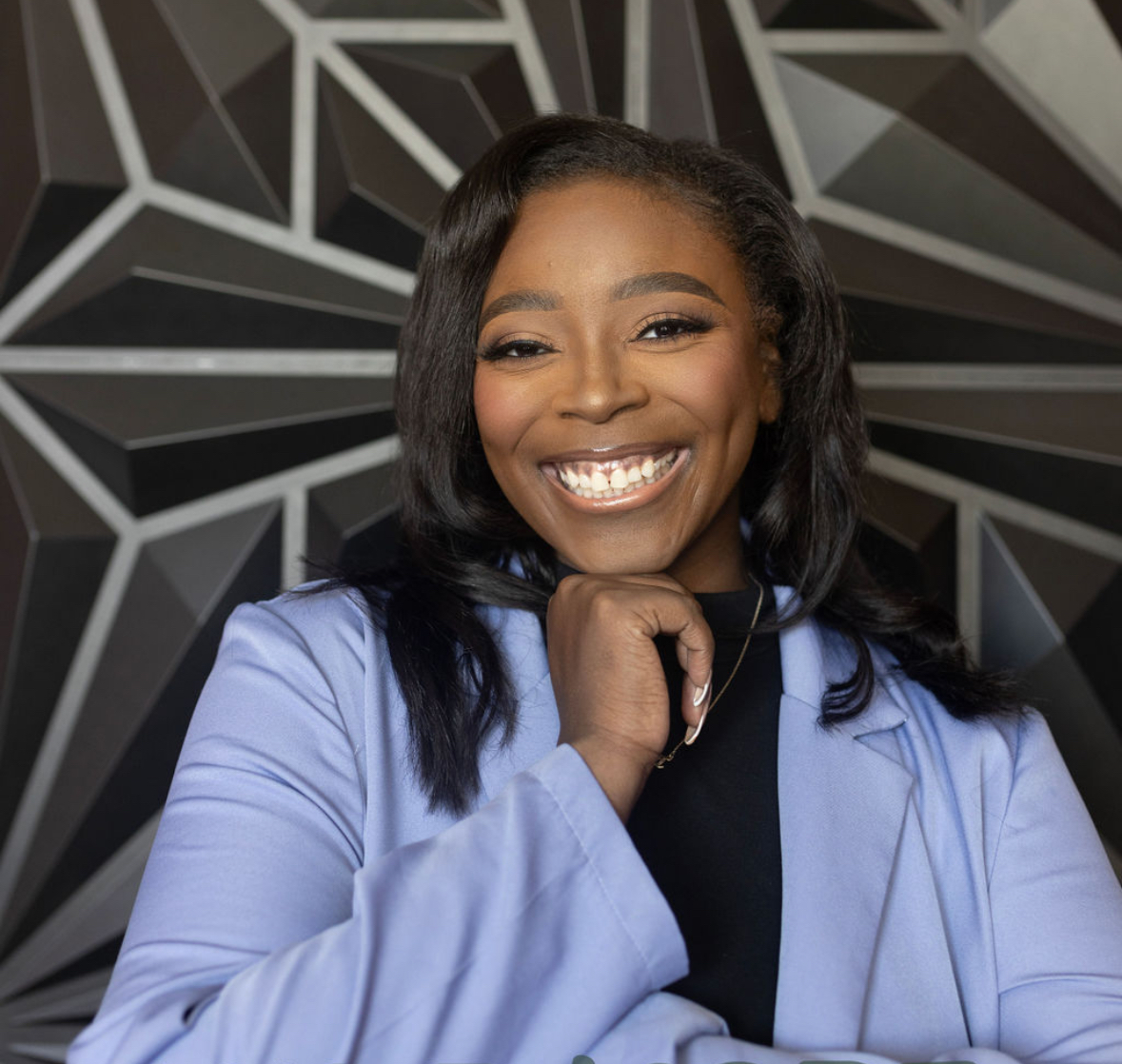
Founder/Recruitment Marketing Advisor
"Get Me Hired Kristi! Okay I got you!"
I’m the bridge connecting professionals to their next opportunity & recruiting teams to innovative hiring tools!
As the Founder of Get Me Hired Kristi® I create career content with a focus on solving problems & providing solutions to my community of professionals, recruiting teams & job seekers whether that’s tools, resources or everyday products.
I'm a passionate advocate for the underrepresented community looking to grow & upskill in their careers. As a LinkedIn Learning instructor, I teach professionals how to network & find mentorship in the workplace. With a focus on personal & professional branding, I help educate job seekers on how to stand out during the job search, increasing their chances of landing an offer.
Beyond my commitment to professional development, I am an avid networker who is always on the lookout for job opportunities to share with my remote & Dallas communities.


