How Adam Posner Built a Revenue-Driving Podcast


Adam Posner didn’t just build a podcast — he built a revenue engine. With 475+ episodes and 1.8M downloads, his show drives the majority of his recruiting business and lands long-term, five-figure brand deals.
In this episode, we break down how he did it: using his podcast as a Trojan horse for business development, building trust with sponsors, creating event content that brands actually care about, and designing systems that keep the show running even when life forces you to step back.
We also get into the personal side — including how he navigated cancer while running a dual-revenue business and why controlling your narrative matters more than ever.
What You’ll Learn
How a podcast can quietly drive 60–70% of your business
The difference between “content for fun” and a content business
Why early barters beat chasing big sponsorships too early
How to pitch brands without selling out your integrity
The production systems that keep Adam 7–10 weeks ahead
What sponsors actually want from creators
How he kept his business growing during cancer treatment
Listen If You’re Curious About
Monetizing a podcast
Landing brand deals
Building authority through content
Content systems + production workflows
Balancing real life with a content-driven business
RESOURCES MENTIONED
- Listen to the POZcast: https://www.thepozcast.com/
CONNECT WITH US
- Connect with Adam: https://www.linkedin.com/in/adamjposner/
- Connect with Rhona: https://www.linkedin.com/in/rhonabarnettpierce/
Want to turn your team into creators?
Visit workfluencermedia.com to learn how we help companies build video-first content systems that attract, engage, and retain talent.
Adam Posner, podcast monetization, podcast growth, brand partnerships, creator business, content strategy, recruiting industry, business development, content systems, podcast sponsorships, creator economy, Workfluencer Podcast, revenue-driving podcast, personal brand growth, content workflows, event content, talent acquisition, HR tech creators
Learn more about your ad choices. Visit megaphone.fm/adchoices
Adam Posner (00:00.11)
I always use the example of the Simpsons. Simpsons has been on for, I can't believe they've been almost on 38 years, right? If you go back to those first couple episodes of Simpsons, they're like crudely drawn, the voices are weird, then the quality gets better, the technology gets better, right? Here's the number one takeaway for anyone out there. If you don't have an audience, you don't have anything. Your audience attention and time needs to be your number one priority. 60 to 70 % of my business, if not more, has come through the podcast.
A lot of people want to start with the five figure deals and that's not realistic. That's not necessarily where everyone starts.
But I want to be very clear with folks. This is not profit in the beginning because you have to establish it we're in this business needs money and you have to be very mindful of who you work with and God so my first sponsor ever was a
What did those first deals come about?
Rhona Pierce (00:51.246)
475 episodes, 1.8 million downloads, multiple revenue streams. Adam Posner didn't just build a podcast. He built a business engine that runs on content. Today, we're pulling back the curtain on the actual playbook, real brand deals, and what happens when life forces you to test if what you've built can run without you. Adam, welcome to Workfluencer.
Rhona am thrilled to be here with you on your show, finally, and on the other side of the mic where, I don't know about you, I love switching it up and being on this side. I even move it on the screens on Riverside. I'm on this side now. I'm usually on this side. I can say I'm on this side.
It's always so interesting to be on the other side and I love it too. So you've done 475 plus episodes and like I said, 1.8 million downloads, but let's cut to what everyone listening wants to know. Like how does a podcast translate into actual business for a recruiting firm? Like what does that conversion path actually look like?
wow. What a loaded question. And the first thing I want everyone to and I've said this before is I didn't start out with that intention. When I started the show February twenty nineteen, almost seven years ago, my intention was just an itch that I needed to scratch. And back then we only had Zoom. We didn't have Riverside and all that. And I just first episode I recorded a conversation just like this with someone in my on my LinkedIn queue, Quentin Alums. And that was episode one. And I just wanted to do it. And I just hit record and.
The funny thing is I'm still using the same camera that I am seven years ago. Everyone's like, you need to upgrade. like, this camera is fine. Some, the one thing in my life that works fine. I'm cursing it now, Rhona, but is this camera here, my Logitech, it's fine. And that was not the intention. It wasn't business related, but what happened pretty quickly and I'm sorry, it was about putting on one episode a week and, and 30 episodes in, I started to book decision makers at companies that I wanted to do business with just organically. I recruit for anyone out there. I recruit, I'm a recruiter, but it's my day job. I recruit for marketing, media and advertising.
Adam Posner (02:52.002)
So I was connecting with founders and leaders of recruitment and advertising and marketing and media agencies to be guests on my show. And then one time I followed up with a guest and I said, by the way, I'm making up any Mark. I see that you have seven openings at your agency. That's what I recruit for. And he's like, that's interesting. I didn't know you were a recruiter. Why don't you go connect with my head of people and talent. Next thing you know, I got six recs that next day.
by connecting. And that's when the light bulb went off on my head, Rhona. How do I, I could use my show as a not so secret Trojan horse for business development, but I also wanted to stay true to the show and just didn't want to make it a business development driver for recruiting. So I was be very mindful about mixing it up, whether it be every five, six guests where that one would be the business dev. Cause I wanted to stay true to the ethos of the podcast, which is talking to interesting people who build stuff and unpacking their life journey told through the lens of their career.
But if you do a law of averages over almost 500 episodes, I've out of seven years, would say at least 60 to 70 % of my business, if not more, has come through the podcast. Not just direct guests, but from the exposure, from the awareness, from repurposing the content to put myself out there as a hate to say thought leader, but more of a voice in the industry. And that's what attracted clients to me.
amazing. And so many people like think that when they hear like, the podcast drives business, they think it's because your podcast, you're just talking about what you do, what you do. So it's interesting that you're the first guest that time said like, I didn't know you were a recruiter. And then go on that. tell people a little about your background, because I know your background is in advertising and marketing. How did that like when you saw that, did that like do the
like click that side of you or your brain on.
Adam Posner (04:43.554)
Yeah, it was pretty cool where the long story short point to raise New Yorker, I spent the first 15 years of my career working in marketing, media and advertising here in New York. I did account management, digital strategy, social strategy. When Amazon came onto the scene, Facebook 1.0, MySpace, we were doing advertising all with that. So my roots are in brand marketing, direct to consumer marketing, email marketing, social media marketing. And Jesus, it's been almost 11 years ago. I was working at VaynerMedia for the great Gary Vee.
And I thought it was my forever job. I've told the story a million times. It was not my forever job. And I got fired. It was at that moment, the worst point of my life. was really a down point and I needed to do something different. And I call that one of my self-awareness epiphany. And I said, what could I do different career wise? Right? I know I'm going to have to start over, but not exactly from scratch. Where could I take the things that I've learned and apply that and recruiting was calling my name and an unlimited earning potential.
And I aligned with a great search firm and I learned how to be a recruiter, the art and science of recruiting and really, you know, the fact that I recruit for marketing and media and advertising, I didn't need to learn the industry. So I already had half the battle one, but fast forward to where we are today. I'm able to apply that marketing those 15 years into what I do in recruiting, into what I do in podcasting and content. I consider myself a marketer. I market myself, I market my business, I'm my clients and my candidates.
And having that knowledge base, I didn't have to learn it, has just paid dividends and really been the wind behind my sail.
Amazing. Hey, have you subscribed? Let's fix that. It's the easiest way to support this show. So walk me through those indirect, I'm going to call them indirect leads, right? Like take me from someone discovering an episode to them becoming a client or candidate placement. What does that journey look like?
Adam Posner (06:31.21)
Yeah, absolutely. It's all about and you know this better than anybody. It's about putting yourself out there. Anybody who posts on social media, the reason we're posting is to get attention. I don't care what anyone says. If we didn't want eyeballs, if we want something to listen, see something and take an action, we wouldn't be posting. People like no likes and views don't matter. go they do to an extent. It's a quality of those likes. It's who's liking it and who's engaging is really the more important metric there.
So the more I put myself out there, the more content, and I was lucky at the right time and place where there wasn't a lot of folks like you and I at the time that are doing this. And there was really only a couple of recruiters, purebred recruiters doing content out there. And those are the ones that inspire me. Rena Freeman-Watts and Sean Hervey and Greg Johnson, they gave me my first shot. First time I was ever a guest on a podcast and they were recruiters and I saw what they were doing. So the more I put content out there, the more engagement, the more conversations.
the more connections we meet on LinkedIn, the more connections we're taking off LinkedIn into phone calls that turned into relationships on the candidate side, on the business side. And even if someone wasn't the ideal candidate or client, being connected with them opened up to their world and their network. Cause that's what LinkedIn is all about. You want to go deeper than your first connections. You want to grow past that and tap into people and identify where your verticals are and go deep into those. And just a complete side note. And that's why I'm very intentional with connection requests on LinkedIn.
LinkedIn only gives you 30,000 connection requests. I need to save and I'm at like 22,000. And I joined LinkedIn in 2005, almost 21 years ago. So I do not accept every connection request. I go through them to see, is that person in my universe or in the circles of my universe? And if you're not, it's nothing personal. It's just, I need to be mindful of how do I utilize LinkedIn tool connections to my business advantage? It's purely business.
That's so important. And I think a lot of people miss the fact that you can actually curate your network. And that starts with who you connect with, because I don't like you. I don't connect with people. And it's like outside of the people I want to reach. And it's nothing personal. But like if I'm connected to someone in a totally different industry that I know has no ICPs of mine, then my content is going to get shown to you and your network. And it's a waste.
Rhona Pierce (08:45.747)
At that point, those likes and those follows are a waste.
Right. And so many people, there's this fallacy and it's, and it's due to the quote unquote gurus and course creators out there that say the quickest way to get 30,000 followers to get 30,000 connections. Cause the connection equals a follow. go, that is ridiculous. And that's a terrible strategy and it is useless. So when I, when I see a connection request come in, I really analyze each of them and say, listen, first of all, geographically, do they make sense? Are they a target potential candidate for something I recruited in the future?
Like someone may be a project manager in construction, but that has nothing to do with the project managers I recruit for in marketing and media. If you want to follow me, fine, that's great. But I need to save those connection requests for ICP candidates and clients. And to your point exactly spot on, your content is going to be distributed to their channels. So who do you want to see it to be more impactful? So you have to think five steps ahead. Exactly.
So the POZCAST doesn't just generate business for NHP. It also has opened up some serious brand partnership opportunities. Like most podcasters dream of that. How did those first deals come about?
my God. So my, my first sponsor ever was a, a company called Intercellar started by Steven Lou and anyone in the industry. Steven Lou has sold that to greenhouse. I'm going to play this one out for you on a little bit. So it's greenhouse acquired Intercellar. Intercellar was my first sponsor and my first deal was not a cash deal. As a recruiter, I wanted to use their product and it was a barter. I do a lot of barters, especially early on. So I bartered their service, which was still 500 bucks a month back then when I had
Adam Posner (10:21.582)
150 listeners per episode, right? Like, and for me, that was a win-win and it was a win-win for them. I'm a recruiter. It's a show that works on talent and all that. And Steven stole the company of the greenhouse and fast forward to last year because of the relationships I would greenhouse greenhouse big, huge ATS platform sponsored my show and transformed. So I took it from a barter deal to a five figure deal in a few years. And that's called building trust, authenticity, credibility reps and having the receipts.
Yes, and it's not immediate and you definitely have to start. I'm not a fan of like doing work for free, but bartering isn't working for free.
No, it's a trade.
And a lot of people want to start with the five figure deals and that's not realistic. That's not necessarily where everyone starts.
No, and I have these conversations all the time with podcasters and I think it is, so let's talk shop here and get a little specific. You can go out, for example, little alpha here, I'm potentially working on a new show for 2026 and it's gonna be different. It's not just me, there's a secret cohost. And because of our combined experience, who we are in the industry, plus the fact that I've done this show for seven years and know how to do it in the receipts, I am able to go out and shop for an initial sponsor. But I wanna be very clear with folks.
Adam Posner (11:36.91)
that monetary amount to start and it's gonna be a structured deal is to prove it out and that money will cover the production of the show. The rest of it might be a wash. This is not profit in the beginning, cause you have to establish it, but you can't do that and go out for sponsorships unless you have something. Now some people can, it's an anomaly based on your network, your reputation, you could, but that's the exception and not the role, Rhona.
Exactly. And I think that's something that a lot of the course gurus and people out there that if you look really deep, what they're doing is selling you how to do it, not actually doing it themselves.
shovels and gold rush the shovels made all the money
They're like creating this thing that a lot of creators think is how it works and that's really not how it works. But you're landing big partnerships that other podcasts in the space aren't and that's just the truth. What are you doing differently?
I think it's quality of the interviews, the ability for me to secure almost any guest I want at any event, because I have the reputation. You saw that firsthand when we booked those and Voni did a much better job. She covered my show at HR Tech last year and she saw my process firsthand. And you saw how much work went into the curation of the guests. And you saw our success rate for booking them.
Adam Posner (12:57.134)
because they seen my show, they've seen me at these events with other sponsors and credibility and you put in the reps. So the ability to do that, you're able to further monetize the sponsorship and make it an easy decision for anyone out there that wants to partner with a content creator at an event because they're able to do it. The other part of it, and I really, and we talked about this offhand, having a seamless process. You saw how smooth and organized and templates I was. That makes everyone's life easier. It makes the client, it was seamless for the client.
You make it easy for them to say yes to you. You don't make it hard for them. You take that work off of them. I'm going to book all these guests. I'm going to do the outreach. You don't have to do anything except pay me. Right. Right. Like you, but that's the thing you want to make it as easy as possible. And then in the other side of it, you want to put out great quality content, a decent amount of it to make their brand shine. There's listen, the algo on all these platforms are down. So you have to do more. That's why I put out multiple videos, more videos. The one I put out today, the special edit one.
That costs me a lot of money, but it's going to be worth it. Not just for this particular sponsor to shine a light on them, but for other sponsors to see the quality of work that I do here. So you need to invest back into your content. You always need to be evolving.
I love that you're saying that. mean, I say this a lot, but I also own a content agency. So people think I'm saying it because it drives me business or whatever. And no, I say it because it's absolutely true. You have to invest in your content because it helps you. see every piece of content as like a portfolio piece. So whether someone's paying me, okay, they paid for this. But if I have the opportunity to invest and add some of my money to do something extra,
I 100 % will because it always, always has turned into something bigger for the next deal.
Adam Posner (14:41.742)
My client did not ask for that recap video I put out today. I did it for them. And yeah, I did it for me too, because it shows it perfectly encapsulates the event. It wasn't just the audio podcast. It wasn't just a YouTube standard videos that that's that's table stakes. When you work with someone like myself or Rhona, you're going to get the audio, you're going to get the video, you're to get social clips, but there's going to be something more. There's going to be a story behind it. We're going to make your brand shine and also spotlight that event and show everyone the story.
bring them into it and want to be excited for the next one you do with them.
That's funny. I've been calling my event content in my, like in my invoice, FOMO building content. And that's how I've been selling it to sponsors because that's what we want to do. We want to build that FOMO for next year. So.
The other part, one part I want to add on to that, the event organizers see that and they're more inclined to play nice with you, invite you to things. They want you to be there because you're shining a light. Jamie Leonard saw that clip and he's like, dude, are you kidding? He's like, that makes more people want to come to our event. How do we make it easier for you to be there to capture it? And you saw it at RecFest. These events that are more creator friendly, it's a win-win for everybody.
You can totally see the difference with the events that are not creator friendly, the ones that want to charge you for extra for being in this section of the event in this section. Yeah, exactly. It's like, no, I that's a nonstarter for me. Anytime I hear that, it's like, sorry, if a brand wants to take me and pay for the media pass, I'm not going to say no. But me as a creator, if I'm going without a brand, if I have to pay for a media pass, that's no. So walk me through your approach of
Adam Posner (16:03.854)
You pass.
Rhona Pierce (16:24.758)
Like how do you identify potential brand partners? you like cold pitching them? Are they coming to you?
Well, it's interesting. So just to dial it down a bit, the sponsors I'm working with right now are all brands, products in the TA and HR tech space. So it is in my best interest to connect with as many as possible, to learn about the company, the people behind it, and demo the products. I do everything in my power to protect my brand and my reputation of who I put my name behind. I've turned down deals. I've turned down some
big money deals because I just didn't like the product or I just didn't align with the team behind it for whatever reasons. And you have to, it's a delicate balance, right? Because let's, let's keep it real. We're in this business to make money and you have to be very mindful of who you work with. And listen, sometimes you make mistakes. Sometimes you may not see something right away. And sometimes there's times when you're like, you need to take a deal and there's a difference between generally speaking, there's a difference between a one-off event and there's a difference between that and a partnership.
Just to give you an example, Fountain, who sponsors my core show, has been a tremendous partner over the last two years. So they don't just sponsor the audio podcast, but when we're able to, we do events. And that creates continuity and it can create brand recognition and it creates a more comfort where I could truly be an ambassador of their brand and open it up to the TA world, which going back to earlier, is my network that I've curated over 20 years on LinkedIn. That's my audience. So if you're a content creator,
You need to ensure that your followers and audience align with the the ICP of your client. Otherwise, it's stupid. Like for what we do niche down in our world in TAHR, people and culture. I'm not selling out to Coke and Pepsi. I've nothing. You know, that's not what we're going for here. Yeah, I'm not I'm not I'm not doing, you know, you know, dick pill commercials, you know, I mean, part of my French there, right, because that doesn't align to what we do or what I'm interested in. It just doesn't work like that.
Rhona Pierce (18:21.484)
And it also, it's like, even if you come. No, it's totally fine.
Sorry, sorry. Part of the brand. Sorry. It's a new Yorker here.
No, but it's like, even if you convince a brand to give you money, a brand that's not aligned to give you money, when it comes time for the results, because at the end of the day, there has to be a goal. No one's giving you money. Well, no one should be giving you money without a goal behind it. Someone in that organization is going to look and see at some point, what are we getting out of this? And if your audience isn't aligned because you're partnered with the wrong person, you're going to lose that deal. It's not going to be long term.
Well, let's talk about that for a second because I think there's a balance there. And I think we, lot of brands have to have a come to Jesus moment around that because generally speaking on big podcasts, right? There's a CPM basis that's cost per thousand that someone will give you for an ad for a traditional ad, right? unless, so you're talking anywhere from 30 to $50, $60 tops. So you need to be in the...
hundreds of thousands of downloads per episode for you to be really lucrative. Otherwise you're working on brand deals and you're more niche down into it. It is hyper critical for you to have that. So the conversation, here's the other thing too. How many people are listening to an episode of my podcast and all of a sudden jumping on a link to go buy a $20,000 a month SaaS product, TA SaaS, that's not what it is. So if you have the conversation early on and you're aligned with listen, podcasting and content is heavy top of funnel. It's awareness.
Adam Posner (19:48.482)
and its initial consideration. If it drives to a purchase, that's amazing. But what we're doing is top of funnel. It falls into the top of funnel brand awareness category on the consideration set. Can we drive people to it? Yeah. Could they drive to a demo? People don't love demos to be honest with you.
Yeah, they don't. but yes, I 100 % agree with you, especially in our space, which I think it's newer to the working with creators as far as like on the brand side. They really need to understand this. Like I learned this the hard way and I do it now. Anytime I'm talking to a partner and they start talking about like, we want X amount of episodes to get X amount of demos. I'm like, stop. If this is what you want, this is not.
I'm not the partner for you and this is why I'm the partner for you if this is what you're wanting.
It's not gonna work that way. And that's why I don't do referral deals. I don't do affiliate deals because I can't do that. And I also don't want my compensation to be predicated on someone else having to close the deal. It doesn't work like that. I'm not driving a zillion clicks for me to have that kind of ratio of success. That's not it. But if you wanna do brand association, content distribution, eyeballs, name recognition,
top of funnel awareness and shining a bright light on your company, people and product. That's what we do.
Rhona Pierce (21:12.618)
Exactly. And it has a lot to do with what you were saying at the beginning of how I saw when I did your podcast at Unleash, how you would send an email to a guest and the only guest that said no was because they weren't going to be there. Like literally.
going to be like a travel arrangement or I'm not going to be there. And then everyone else we booked that like they were booked and then their travel plan changed and like, Oh my God, I wish I could do it. And we try to accommodate we move things around and it's a jigsaw piece. It's a jigsaw puzzle. And it's fluid. And maybe one day, I mean, I don't want to give our secrets away, right? But like, it's a dialed in process. But here, I wouldn't be able to do the process like that if I wasn't 15 years working.
having the project management skills as an account manager and advertising, client relations, client management, project management. That's smooth. It's just butter. Right. And that way, when, when you have the kinks in the work, you know, that happened all the time, it makes it a lot more easy to manage because you have a system and a process.
Yeah, I've always said that being a project manager was absolutely the most important job I ever did. It prepared me for literally everything in life and in my career, like head staff.
Everything. Those skills where you can be organized and methodical allow for you to be more creative. And the prep work, you saw the prep work that goes into it too. That's the other piece people don't see behind the scenes. Like for example, like when we're talking brand deals and people are like, that's a big number. That's only, you're only gonna be at our event for one day or two days. Do you even realize the work that goes into it, the guest booking, the preparation, the coordination, the flow, the post-production, the editing, the time, the coordination.
Adam Posner (22:53.39)
crafting each post, it's not two days, it's two months. So if you amortize that out, that five figure fee, it's not just for two days. Yes, it looks good on paper when I could say, yeah, I'm landing five figure brand deals to go to a friend. My friends are like, someone paid you five figures to fricking go to Vegas and shoot content? I'm like, yes, but it's not just in Vegas. It's the weeks before that, slaving over the computer. It's the weeks after working with the editors and fine tuning the clips and programming your content.
and somehow still integrating it with all your other content out there. You don't know.
Yeah, no, they don't know and I do YouTube. My show is mostly YouTube. So like even before this conversation, there's weeks of me. I have to take account into account the YouTube algorithm. So what the title is going to be, what the like all of that before I even sit here and record together with the team and do that. So there's like so much that goes into it that people don't see. And there's so much I'm a perfectionist. There's so much like.
I'm delayed on my stuff because I scrapped my entire idea. I was like, this idea doesn't work. This is what we're going to do instead. Let's start over.
There's a, let's talk about that for a second. I want to let's dig into that. Cause I think there's a really important one. I, I'm not a perfectionist. I'm furthest thing from a perfectionist because a long time ago, before I even got into podcasting, I really embraced the concept of action over perfection. And that doesn't work for everybody based on who you are. And I'm not saying I sacrifice quality, but I do believe in, in, in pushing things out, getting things out as quickly as possible. There's a balance for me. Right.
Adam Posner (24:36.632)
I mean, I could, I could take what I did at rec fest, take that content and literally just work it and work it and work it. But then you're moving further away from the event. Anyone out there, there's a, there's a fine area where it can't be too far. For example, tomorrow is the, the, my last episode that comes out from this event. And I still feel it's, it's within the one month of the event. I try to get everything out, everything out the door within five weeks max to be done because people already onto the next event.
And then we start getting, the problem is once we get into the heavy content, the heavy season, those events are back to back to back. And all of sudden that third event is not getting pushed out till three months later and you're not doing any good for your sponsor.
Yes, 100%.
find a way to balance it and that comes down to processes, systems and having a great team that can move quickly.
Yes, 100%. So let's talk a little about like editorial independence because when you have someone paying, sometimes they want to have a say in the content. what does a brand partner get versus what they don't get to say?
Adam Posner (25:36.91)
That's a great, I'm so glad we never get to talk about this. This is, this is shop talk. love this. I love this conversation. So the way I pitch and do everything is we work together to curate the guests. And this is the other huge, this is a huge benefit to the sponsor there. I go, we're going to go and we're going to look at the speakers, the attendees and non-competitive sponsors for anyone first and foremost as a client. We're to get them on and we're going to figure out how to, in a non-advertisorial way.
Talk about their pain points and how your product solved it in a non-pushy sales way. Second, we're going to identify ICPs, prospective customers that are on the ropes, close to maybe closing a deal, or maybe early stages you want to create a deeper connection with. There's nothing better in this podcast. Logistically, they're going to be there for 20, 30 minutes during this interview with me. Your CHRO, your sales team are all going to be welcoming them, shepherding them in back and forth. Then the content comes out associated with your brand, stickiness point there. So we curate it with them.
That really is the key. And there's a balance there. I say, we want to have a number of these people, but we also want to have, and this is where our experience and relationships come in. We're going to curate and invite specific speakers at that event that align with your product. If you have AI interviewing tool, let's have a TA leader on there who's an expert in interviewing in general. I'm just saying, I'm making this up. Who could talk about the pain points and understand the process of TA of interviewing and passing feedback from a recruiter to one hiring manager to another hiring manager.
how that makes it easier with this new technology in general. So you wanna create that narrative, you wanna create that story and that goes back to the prep. Having those conversations around strategy with your client. What are the four topics that we wanna get across and let's align the speakers and guess that we have on the show who could best speak about it. That's winning, that's a narrative. That's real strategy versus having, know, riff raff on. Now in the same breath, it's fun when we go do the man on the street, you know, the people on the street, what's the proper...
political term, person on the street interviews, because those are just fun. Those are capturing the vibe that's capturing off the cuff. Like the video I put out today, most of it was like the friends and people you know, and then I was going up to people I don't know. then you're just capturing like, like the vibe and feel. And that is just another piece on top of the full story.
Rhona Pierce (27:50.274)
And I like a lot of people like Adam are extroverts and they do great at the off the cuff man on the street. I call them gal on the street. I'm more of an introvert. Yeah. Let's do person on the street. I'm more of an introvert.
But I still do those and people are always like, how did you do that? Well, I plan them like in my head, there's a plan again, aligned with the brand and you'll tell the brand like, okay, what are we wanting to talk about? Well, these have to be less formal than a podcast interview, but let's ask this type of question. And also when you're there, like after you've podcasted for a while, you know that you can have a plan. Like right now I have a plan of questions. I'm already like,
away from that plan. Because you have to follow the conversation. And the same thing happens with the person on the street interviews. Someone says something, you have to follow that up with like, wait, what?
You have to, you have to. And I'll tell you something really, really funny. And this is a big unlock for me as a podcast host. And I think, I think you and I've talked about this. I was maybe like 15 episodes in and it's early 2019 and my, my dear friend, she is a media coach. And I said to her, and I go, Johnny, go, what do you think of the show? She goes, you want my honest feedback? I'm like the only honest feedback. She goes, I could hear you thinking, I could hear you thinking of the next question.
You're almost like talking over the guests to get that next question on you, not allowing room for exploration. And the treasure is really when you can have a conversation like this and you as a host want to hear something I say interesting and go right turn, left turn, go deep. Cause that's where the treasures are. The treasures in the ship at the treasures when you go deep, because if you have someone that's on a lot of shows, they're answering the same questions, same soundbites all the time. And that's what makes this show interesting for their listeners. So as a host, when you have the ability and have the muscle memory, which comes after reps, no one's going to be natural at this.
Adam Posner (29:44.054)
And then, as you said, bring it back to center. Stay on the trajectory of the show because you want to take the listener on an arc. You have a storyline and you have key points that you want to hit.
So let's switch gears slightly. And we've hit it a bit about your process, but you're running a recruiting form, you're producing weekly episodes, managing brand partnerships, doing these live events. What does your production system actually look like? How do you make this sustainable?
Day one, comes down to batch, batch recording. I send my team stuff on a monthly basis and it keeps it very simple. These are the October episodes. And when I say October, they're recorded in October, not their air dates. So at the end of the month, and if I stay consistent on this, really works out well from a production timing standpoint, but that took time and process. I need to understand how long it took my team to edit and produce an episode. And they can usually do it within a week or so, but
Everyone out there, I'm typically, if for example, I recorded a show today, it's not going to come out for seven weeks because I have shows in the can. That allows me to put out a new episode every Friday for seven years without ever missing a beat. And it allows me to take a breath and just stay over the summer or, you know, we'll talk about a little bit. I was going through my own health journey in the past year where there was times I went six weeks without recording an episode. I purposely went 12 episodes ahead and recording when I was feeling good to make sure I had those in the can.
And you have to be careful with that because you want to make sure the content is still relevant in evergreen. But I found that at most I ever want to be is about nine, 10 weeks ahead because then what happens is the guest forgets about it and they may be less inclined to share. But yeah, I batch record. that's why they're batch record, methodical process, spreadsheets, systematic notes on everything. Everything is a jigsaw puzzle template that my editor knows what to do with.
Adam Posner (31:31.628)
And I also am very clear with my editor on the air date. I always give my editor the air date. That way he knows what that drop debt is. And he knows at the very latest, I need that at least two weeks in advance of the air date so I can review it and make sure we're good to go. Systems process. Trust.
Same, lots of spreadsheets. And I have two columns. I have the date that I want it by to review and the publication date. So in case anything happens, I'm late to review or something like that, you can do that. But yeah, stay ahead. Staying ahead is really the only times I've missed podcasting, like releasing an episode was because I got behind and I got too comfortable. And then something happens because the guest is going to get sick or something's going to happen.
Yeah. You know, but you know what though? Like I've, I've even pushed it to the point where I was like, my God, I'm only like three episodes ahead. Or maybe damn like you ever get to this where like, haven't booked enough guests into the next month or two. And then you have to be careful. You're like, shit, I forgot. I took my foot off the gas on guest booking and reviewing and being methodical about that. But I'll you something else. And I don't know I want to share this, but I think I'm about to break, break my streak. So I have not missed a new episode in what's seven, six.
Yeah.
Adam Posner (32:47.278)
six and a half, almost seven years times 52. And I think I'm going to take a break for the last few weeks of this year. I think I'm gonna do best ofs because we're traveling, we have a well-deserved and well-earned family trip for two and a half weeks that I wanna be present for. And I was like, you know what? Streaks are meant to be broken and that streak is only for me. And honestly, I'm the only one that gives a shit about that streak. And so if I could be present with my family and not, even if I'm on vacation, I'm gonna be, it's a show out.
Is everything good? have to push the content. have to follow up. I have to comment on everything to drive the algo. No, I'm just going to put out best of episodes and come back in the new year with those brand new episodes when I'm here working and could nurture the show and I'm going to do it. Cause that's what's important in life. Like my podcast versus being present with my family and kids on an Epic well needed, deserved family vacation. No, that's a podcast about, listen, it's like,
We're not Joe Rogan. We're not, you know, the better call her daddy shows out there that are machines and everything. Like, this is, it's not that serious.
And also best of episodes are very valid because everyone hasn't heard them. There's people who just learned about your show and you've been doing it for seven years. So if you've reshare a great episode from a couple of years ago, that's new to a huge segment of your audience.
Amen to that. And to that point, too, when I'm not doing of so I have my my my show is every Friday, the standard podcast. But when I do events, those episodes I put out midweek to kind of give a little bit of church and state separation between the two of them. But before that, when I'm not doing that, I try to be consistent with putting out a best of episode every Wednesday for that same reason. And I go to the way back machine. I'll go back to usually do after episode 100, because that's when they get good. When I when I come into my own, like they're much better episodes.
Rhona Pierce (34:35.438)
Amazing. So you've built this dual revenue engine that's working, right? Then cancer. Walk me through that period. How did both sides of your business function when you couldn't show up the same way?
Yeah, this was, this was crazy. you don't know what you don't know. So before, once I got my diagnosis, which was in itself, just floored me, right? Like I, it, anyone who gets the news is devastated, but you also don't know what you're about to go through. And I went through a lot, but I also thought, how do I say this delicately? I was able to push through in ways that I didn't think I was capable of.
And I knew I had to. So as a business owner, if I take my foot off the gas, I'm not making any money, but I also know I needed to give myself the time and space to heal, recharge and recover. So I really had to change my mindset and my tactics and practice when it came to recruiting and podcasting. And I couldn't be everywhere. I couldn't be at events. know, luckily I had you and I was like, you're the only one that I'm trusting my show to. And we were able to do it. Nothing changed. We didn't skip a beat.
the client was super happy. So I needed to let go of some trust and delegate. And thankfully you did an amazing job on that. And then the other side of it too was when you're going through chemo, fatigue is real. And I never knew what that word fatigue meant. And I'll be honest, I used to think when people said it, was like kind of one those like fake things. Like I'm fatigued. I'm like, you're just tired. Like get some sleep, have some coffee now. It doesn't matter how much coffee you have. It doesn't matter how much sleep you have.
When you're going through any type of illness and you hit that wall, it's real and you can't do anything. And you're also so counterproductive. And I tried in the beginning, I tried to push through. And then once I succumbed to saying, you you know what? 230 is my wall for the day. So I'm going to maximize my mornings. I'm going to do as much as possible. But when that 230 comes, I'm done. I'm shutting my laptop and I'm going to go lie down in bed and recharge so I could heal better. So I could feel better.
Adam Posner (36:38.478)
And there was times, of course, I had the laptop next to me, I'd be in bed like answering emails, but there was no calls. It was no heavy lifting kind of work. And it was about re-imagining my process and how to operate. And the craziest part was my recruiting business year over year doubled in those seven months I was going through treatment. More business was coming in and I had to deliver on it. And what I had to do was rely on all those TA tech tools that I'd been demoing and put them to work.
and have some trust in them and understand they weren't going to be perfect. But what they did was once I fine tuned them, I was able to dial in from an efficiency perspective and be two or three X more efficient in less amount of time and still do all the podcasting. So now it's like how am I going to better? Like how do I keep applying that and not be like, all right, now I'm going to chill.
Yeah, that was my next question. Now that you're better, have you gone back to how you were doing things? Have you incorporated new things?
yeah, I'm a different machine. I'm a different machine and that's just one of the silver linings of going through this process. you know, I'm lucky, I am lucky that, listen, I went through what I went through and I'm still going through it and it's not a hundred percent over. It never is with cancer and you have to be mindful of that. But I'm lucky that I had Hodgkin's and it's highly curable and treatable. And I was at the best hospital on earth, the Memorial Sloan Kettering for what I have with the best doctors on earth.
and I got the treatment that I needed and I was able to do that and I feel privileged, right? I feel privileged I was able to get that healthcare and now I have to make sure that I take advantage of that. But there's so many people out there that are in such worse situations. They may never recover. Their lives, their jobs, their careers, their families are devastated. So I owed it to my family and I owed it to everyone else out there to do better moving forward.
Rhona Pierce (38:26.83)
From a content perspective, so as content creators, we have audiences, we are in a certain way public figures. You didn't share with everyone about what you were going through until after that happened. Was that intentional? Why did you make that choice?
It was very intentional. Anybody going through anything, the first thing I tell them now after going through it is you need to control your narrative, who you share with personally, who you share within business, how to keep your circle tight, how to curate your tribes. Going through any illness is not a solo mission. It is a team effort and you have to build the tribe, any family tragedy, anything we all, every single human on earth is going to go through something. And I got some early advice from a friend to control my narrative.
And at first I kind of, we're social media creatures. was like, I'm going to share this immediately. You know, this is going to drive engagement. I'm like, that is the wrong reasons. And all that's going to do is take my energy away. Cause I'm going to be paying attention to those, to those conversations and posts and everything. And I wanted to control my narrative. And I also felt from a business perspective that if I put it out there and my distract from my business, cause anyone out there who I work with, it'd probably be like, not in a malicious way, Rhona, but like, why don't you go recover? We're good here. But I knew I could deliver.
And once I knew that I'd be able to be a functioning recruiter and still deliver and kick ass, mean, I made 17 placements in the six months I went through this. That's a decent amount. I do in my industry. Yeah.
Yeah, no, and then
Rhona Pierce (40:00.296)
It's, I always think as well, you should share it when you're at a point where you're sharing as a way to inspire, teach, or there's a lesson behind it, not help you. Like that's why I have, that's why you have group chats. That's why you have friends. That's why you have people like if you need support or stuff like that, but from tens of thousands of strangers on the internet, you, you're not going to get that support.
Not real one.
No, and I've seen people do this all the time on social media and I have such now being on the other side of it. I could see why it's cathartic. I see people on LinkedIn that are going through stuff that is sharing every minute of every journey. One thing, maybe that's their tribe and their people. Not everyone has that at home, so maybe that's their tribe. So I'm trying to approach this with some grace, understanding, empathy, but also strategically too. What's going to happen there is that becomes your whole story.
Cancer is a chapter in my book. does not define who I am for me. And I didn't want it to make it that even when I think about my posts, I have a strategy too, where I'm only going to do one post a week about that. I'm not even now I'm kind of moving a little further away as I go through that because I want to share the lessons, but that's not, it doesn't define me. And what happens to your point, you put it on social media and everyone really has good intentions when they're commenting and caring, but it's just so much to filter.
and everybody wants to give you advice and they're not asking the right questions in advance and they're not experts. Listen, every single person knows somebody who has cancer, who has died from cancer is the number one killer, right? We all know it, right? So everyone's going to have an opinion about that. Don't you want to filter that in a little bit? But that's just my take on
Rhona Pierce (41:46.262)
So you're talking to someone who's thinking about starting content and they're hearing, wow, I could potentially drive business, get brand partnerships. What's your advice to them? What do they need to understand about building a content business versus just creating content?
I think culture has been ruined. The Tik Tok generation ruined it. When, when you see these kids out there with hundreds of thousands of followers getting these brand deals, they really only represent the tip of the iceberg. Cause there's so many that don't. And it's created this culture of instant gratification and they seem in the jets and their money and the Lambos and everything. That's, that's not reality. Yes. There's a lot of people out there making a lot of money from social media, but so many of them are such garbage and they don't have the receipts to back it up. And they're not funny. They're not entertaining. There's no substance behind it.
And of course there's stuff with no subs behind that does really well because people love brain rot. But for what we do, and this is kind of interesting too, because I'm kind of on two sides of it too. Like do you go out with the intention of monetizing it or you do it because you really love it you want to create and then it becomes organic. And I can see both sides of that and I could see strategies behind both and there's people that do it really well. But there's people that if you don't have the receipts and you go out with the intention of building a business, it's not going to work. And you also don't know how much effort.
goes into what Rhona and I do every week. That's why the, what is it like, figure out what the stats are of how many episodes don't make it past six episodes, 10. Like if you make it past 50 episodes, you are a 1 % podcast host. 1%, that means 99 % of all the podcasts ever created never made it past 50 episodes.
It's a lot and it's expensive at first because you have to invest in it so that you can then get other people to invest in it as well. People say that it doesn't matter, quality doesn't matter, but it depends on what you're trying to do. If you're trying to get an actual brand to give you money, quality absolutely matters because they're not going to align themselves with some Blair Witch project looking type of
Adam Posner (43:45.704)
No. you ever like, it's so funny too. It's kind of, and I always use the example of the Simpsons. Simpsons has been on for, I can't believe they've been almost on 38 years, right? If you go back to those first couple of episodes of Simpsons, they're like crudely drawn. The voices are weird. Then the quality gets better. The technology gets better, right? Like, you know, like, and I look back at like my first graphics of the show and my first social media clips. And I was doing stuff. I was overlaying PowerPoint for grab, like it was gangster. It was.
raw dog, just gangsta as shit. And I was like, you know what? Like you see the evolution, but you invest into it and you hire a graphics artist and you put money into it. Cause you see it working out and you see the potential it's driving business. You invest back into it. You up your audio quality, up your video quality, you up your production quality and everything rises when you invest into the quality of the product. Here's the number one takeaway for anyone out there is we're going to want to clip this one. If you don't have an audience, you don't have anything.
Your audience attention and time needs to be your number one priority. The quality of the audio and video, what you're hearing here, why I have an $800 microphone. So it sounds good. The quality of the production and the quality of the conversation. If I am not interested in the guest, I'm not gonna be interested in the interview and the audience is going to hear that.
don't invite people you're not interested in to your show. much as they, those are like, get, and I'm sure you do too, tons of pitches from PR people and from guests. If you're not interested in them, it's way better to say no than to do an interview because like you can tell when you're not interested in an interview.
And there's a difference between not having a good energy level today and just not being interested in the conversation.
Rhona Pierce (45:34.284)
Yeah. All right. If you've ever watched the show, you know, there's always a segment at the end. And I thought we could do plead the fifth for this one. So I'll ask you three questions. You can only plead the fifth once. You're not going to know what question comes next. So use that wisely. Are you ready? All right. What's the darkest moment of your career that no one knows about?
Let's go.
Adam Posner (46:00.728)
my God. So I'll, I'll, I'll tell this one. at one point I was working for a very large financial consumer credit card company and I had to move customer files around and I made a mistake and probably about 2 million people got an email for the wrong credit card statement. And I pretended like I didn't nothing to do with it, nothing at all to do with it. And this was major. This is like a big F up.
And I just kind of like, like kind of like the meme of the guy going in the bushes, right? Homer going in. Yeah. I was like, I was like.
Was it me?
Amazing. Okay, name one company or platform you'd never work with again and why.
Adam Posner (46:51.414)
I'm gonna plead the fifth on that one. I don't throw anyone under the bus. Cool. Cool. ain't a rat. Bitches.
Alright, you could cancel one creator and get away with it, who would it be?
It would be Joel algae. 100%. I would want to cancel his ass every single day. And I love Joel. He's a great friend and we bust each other's chops. But if I see one more, I don't know he needs to hear this. But Joel, to his credit, is brilliant. He knows exactly what he's doing. But Joel does something magical. He balances the top of funnel content along with the really insightful good stuff, because he's the ability in the receipts to do that.
And I only bust his chops on that stuff and it's fine because he doesn't give a crap because he's making money on it. Yeah. And that's what it does. But I tell him all time, I'm like, I can't do that. That's just not me. You will never see me. Twenty twenty five job market is so cooked. I can't I can't do that. I can't do I can't. And kudos to him and Mike and all the other guys that do it. They're really good at it. But that's not my bread and butter. I do this and I do this well and I stay in my lane. I don't know who needs to hear this, but you can't cancel me. Good luck.
Amazing.
Adam Posner (47:59.911)
Cancel your ashtole in two seconds.
I love that. I love that.
Well, I played that well I'm like I have to I have to the fifth on the one that I don't want to talk about
Yeah, yeah, that was good. was like, wonder if he's going to answer this one. then Joel, I was like, that's, that's amazing. No, Joel is a friend of the show. And I have, again, mad respect for what he does. But I would I also am not I don't see myself doing the job market is cooked. I don't know who needs to hear this.
Every applicant is a human being. No shit. Well now it's robots, so it's not really true. I should take that back.
Rhona Pierce (48:38.19)
Well, we love you, Joel. All right, so you survived Plane of the Fifth. Before we wrap, is there anything that I did ask you that you think is important for listeners to know?
People don't realize how hard, like, we're not celebrities, my kids, I'm like, kids, I'm not famous, just gonna have a podcast. Like, this is business driver. I don't think people realize how hard this is and how hard it is for us to put ourselves out there and how self-critical we are all the time. And I gotta tell you this, and I look back at my footage from RecFest, and that was a month after I finished treatment, and I don't look the same even a month ago from where I was now. You saw me in person a month ago. I had no eyebrows back then.
No eyebrows and like you're on video you're in content and I had this epiphany when I started posting those clips and like you know what? That's still me. That's who I was in that moment going through what I did There was nothing I could do about it and I'm proud of myself for putting myself out there I could have I could have waited till now I could have turned down rec fest my client could have turned it down right and like This is who I am. It's part of my story. It's part of my journey. It's it's part of the whole brand
And I'm glad that I did. you know, I look at it and it's a little cringe at times, but it was for things outside of my control. I didn't just go and like shave my eyebrows on my head and be like, all right, this is my new look.
Yeah, you have to, there's a certain point where you just have to think about the content, about your goals, about what you're doing, and you have to leave that vanity or just all that aside. And I do it. watch a video and I'm like, my gosh, my eyes were puffy. I looked crazy. Like I saw my my breakfast footage. I was grieving the loss of a close family member. My face was
Rhona Pierce (50:27.2)
It's like, who cares? Exactly. That was me in the moment. And anytime I'll look at that footage, I'll remember and that's it is what it is. But the truth is, no one is really noticing that stuff. They really aren't. And if they do, the odds of them telling you are pretty low. And if they do, then you just get a chance to go off.
This is you in the moment.
Adam Posner (50:49.262)
You can choose violence. Yes, as Mike pedido does he chose violence. Yes. That's another thing too I think you need to also like when you're out there too You like if you're getting negative feedback and you're getting hateful comments. I means you're doing something, right? Yeah, you need to have thick skin and you need to just not feed into them And once you learn to just ignore it and move on nothing makes a troll worse than you're not responding. Don't give it oxygen
Oh my gosh, I delete those comments so fast and I think they're so confused because sometimes they go and post it again and I delete it again. It's like, no, not at my house. Amazing. I've loved this conversation like every conversation with you. Working listeners connect with you.
On my watch.
Adam Posner (51:28.3)
Yes, connect on LinkedIn, Adam J. Posner, because if you put in Adam Posner, you're get all the Adam Posner who through all the searches we connected and he's been on my show a few times on the annual show. So Adam J. Posner and check out the PozCast at the PozCast with a Z.com.
amazing and we'll link all of that. Thank you so much for being on the show.
Thank you, Rhona, thank you for being a friend.
If you're enjoying the Workfluencer pod, share it with someone who's changing how we talk about work or who should be. And hey, if this episode gave you ideas or inspiration, leave us a five-star review. Reviews help other listeners find us. And honestly, it makes my day. This show is produced by Workfluencer Media. Visit workfluencermedia.com to learn how we help companies build video-first content systems that attract, engage, and retain qualified talent.
That's worthfluencermedia.com. Thanks for listening and I'll chat with you next week.
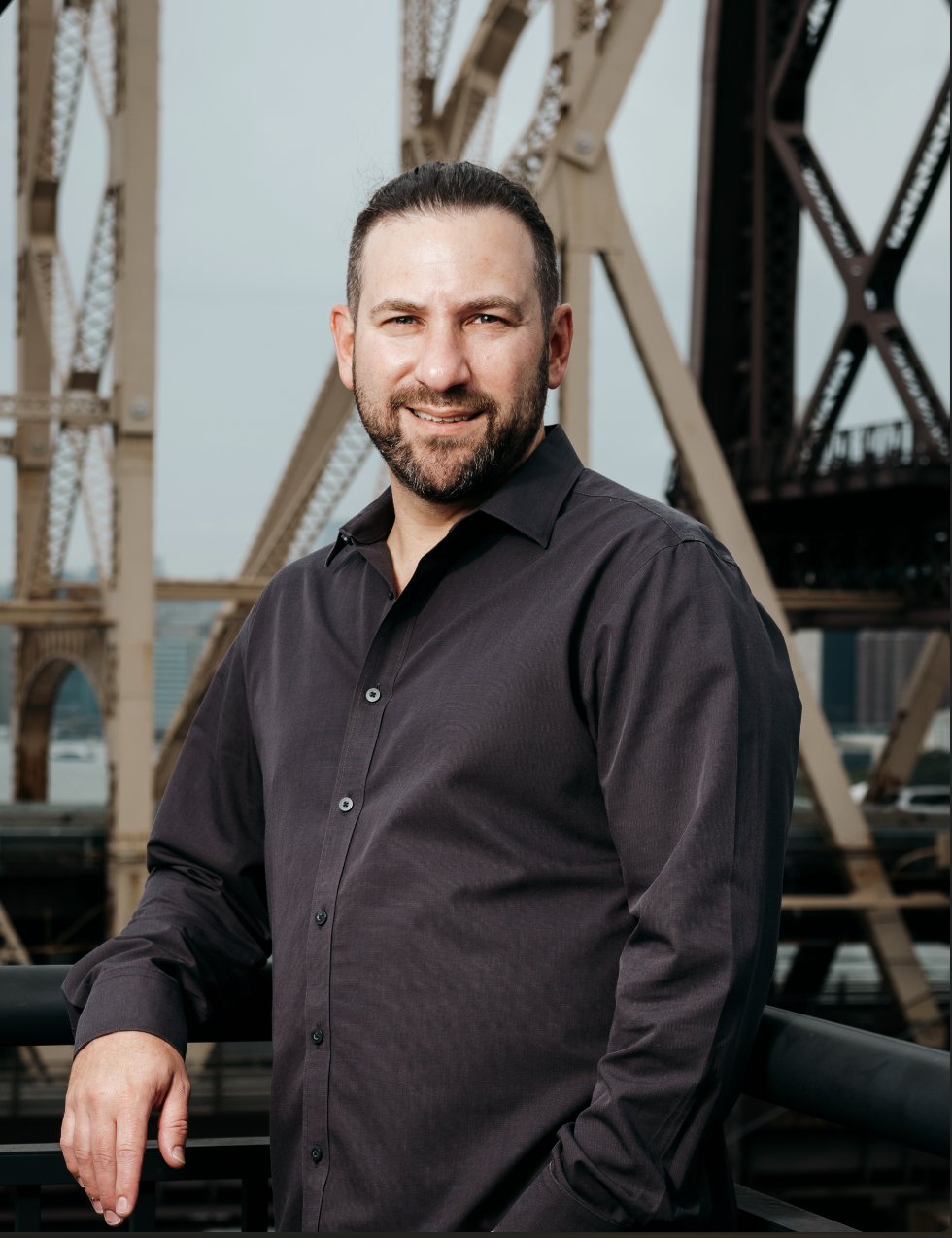
Founder
Adam Posner is the Founder and President of NHP Talent Group. NHP is a boutique NY-based talent consultancy specializing in talent access for senior-level roles in digital marketing, media, eCommerce, and product and content creation at startups, creative agencies, and brands.
He is also the host of the top global career podcast, ThePOZcast, which showcases experts to help you harness your inner tenacity to drive your life and career forward. He has produced and aired over 475 episodes and over 1.8 million downloads with top guests like Kevin Smith, Gary Vaynerchuk, Bozoma St. John, Chris Jericho, Angelic Vendette, Will Guidara, and Tucker Max, to name a few.
Before pivoting into the world of recruiting, Adam spent 15 years working within the NYC advertising and marketing industry. He has led account management and digital strategy at American Express, SIRIUS XM, and digital ad agencies in NYC like VaynerMedia and EP+Co for major Clients like Verizon, Pepsi, and British Airways. This has instilled in him a unique perspective when working with candidates to truly understand their Career DNA and ensure a good fit on both sides of the recruiting equation. In addition, he brings expert advisory on the Talent Acquisition process, employer branding, and recruitment operations.
He has built a strong reputation by always putting relationships first while balancing his Client's business needs and Candidates' career goals. Adam is truly a power connector. He identifies opportunities and synergies and connects the dots.


