

 Apple Podcasts
 Spotify
 YouTube
 PocketCasts
 Overcast
 Burnout, Content Creation & Employee Advocacy Culture
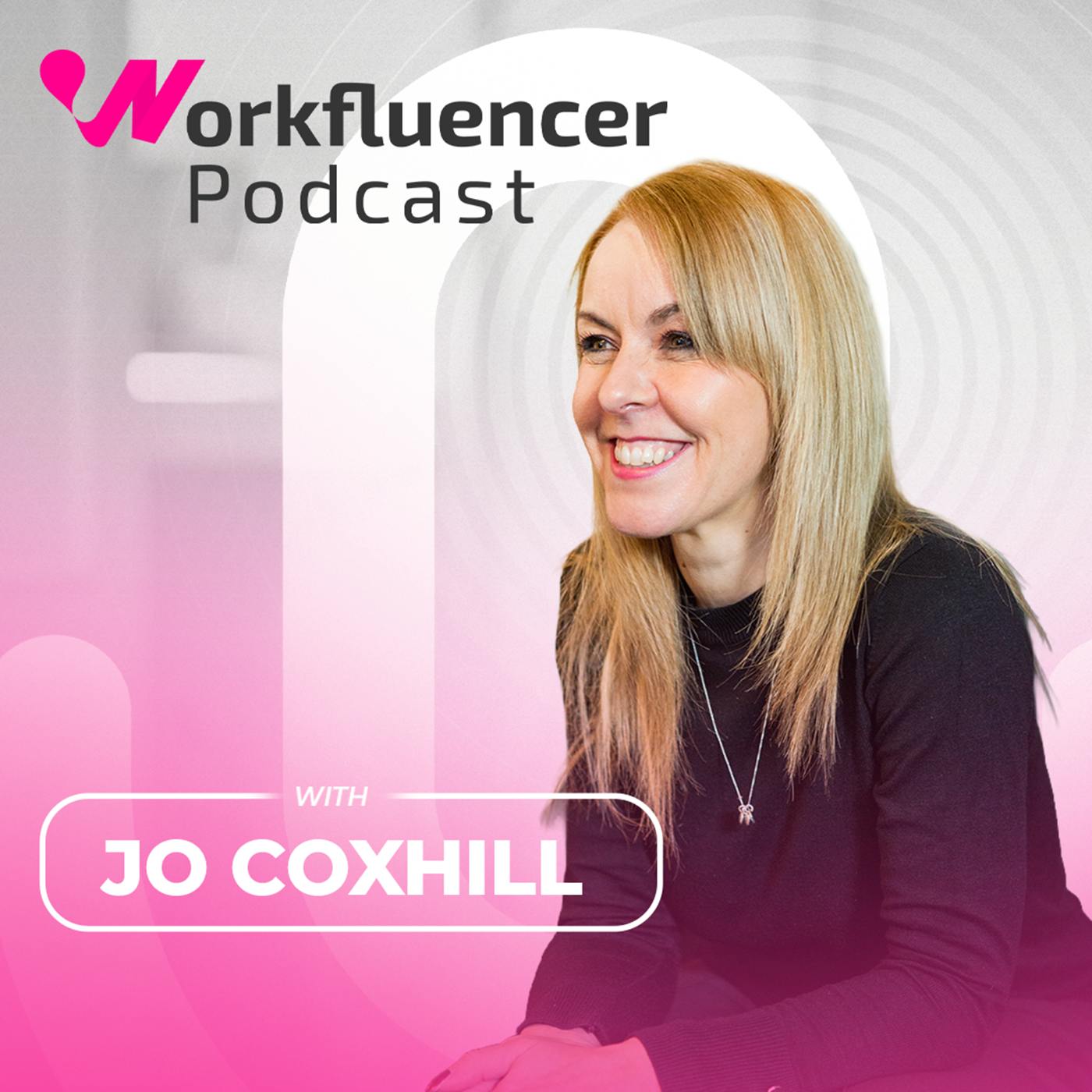
Content creation burnout is real, and most professionals don’t realize they’re heading toward it until it’s too late.
In this episode, Rhona sits down with internal communications and employee experience consultant Jo Coxhill to talk about content creation burnout, chasing the LinkedIn algorithm, and what happens when that same pressure shows up inside employee advocacy programs.
If you’re building a personal brand while running a business, or leading employee-generated content (EGC) strategy, this conversation will challenge how you think about visibility, consistency, and workplace culture.
What You’ll Learn
-
Why creator burnout is hard to spot until it’s too late
-
The mental toll of chasing the algorithm
-
When “showing up” starts doing real damage
-
How EGC programs can unintentionally create pressure
-
The difference between healthy advocacy and forced content
-
Why culture must come before content
-
How leaders can build content cultures without burning people out
-
When to step back instead of pushing through
Resources Mentioned
-
If you've been wanting to post more consistently on LinkedIn, try Stanley for FREE - https://stanley.stan.store/?ref=rhonabarnettpierce
Connect with us
-
Connect with Jo - https://www.linkedin.com/in/jocoxhill/
-
Connect with Rhona https://www.linkedin.com/in/rhonabarnettpierce/
Want to turn your team into creators?
Visit workfluencermedia.com to learn how we help companies build video-first content systems that attract, engage, and retain talent.
FAQs
What is content creation burnout?
Content creation burnout happens when creators feel constant pressure to post, stay visible, and keep up with platform algorithms. Over time, chasing engagement metrics and producing content consistently can lead to mental fatigue, loss of motivation, and physical stress.
Why do creators experience burnout on LinkedIn?
Many professionals feel pressure to post frequently to stay visible on LinkedIn. The focus on algorithms, engagement metrics, and constant content production can create stress and comparison, especially for professionals balancing content creation with full-time work.
How does employee advocacy relate to content burnout?
Employee advocacy programs encourage employees to share content about their workplace. When done well, this builds trust and authentic storytelling. But if employees feel pressured to post or meet content quotas, advocacy programs can unintentionally contribute to burnout.
What is the difference between employee advocacy and employee-generated content?
Employee advocacy typically refers to employees promoting their company through social media or professional networks. Employee-generated content (EGC) is broader and includes any content employees create about their work experiences, culture, or expertise.
How can companies build healthy employee advocacy programs?
Healthy advocacy programs focus on culture first. Companies should listen to employees, create trust, and allow voluntary participation rather than forcing posting requirements. When employees feel valued and supported, authentic content naturally follows.
How can professionals avoid content creation burnout?
Creators can reduce burnout by setting boundaries around posting frequency, focusing on meaningful contributions rather than algorithms, and taking breaks when content starts to feel forced. Sustainable visibility is more effective than constant posting.
Can creating content on LinkedIn lead to burnout?
Yes. Creating content on LinkedIn can lead to burnout when professionals feel pressure to post constantly, track engagement metrics, and compete for visibility in the algorithm. Many creators balance content creation with full-time jobs or running a business, which can make consistent posting mentally and emotionally exhausting.
Do employee advocacy programs pressure employees to create content?
They can if implemented poorly. When companies require employees to post a certain number of times or treat advocacy like influencer marketing, employees may feel pressured to participate. The most effective employee advocacy programs are voluntary and built on strong company culture, trust, and authentic employee experiences.
content creator burnout, creator burnout, LinkedIn burnout, posting on LinkedIn, staying visible at work, employee generated content, EGC programs, employee advocacy, workplace content creation, content creation pressure, creator mental health, burnout at work, internal communications, employer branding, personal branding at work, building in public, content culture, creator economy at work, professional creators, workfluencer
Learn more about your ad choices. Visit megaphone.fm/adchoices
Jo Coxhill (00:00.046)
My physical body was saying to me, enough. Very rarely know that you're on the to burnout until it's too late, especially first time around. You're wrapped up in it. You're comparing yourself to other people. You're chasing the numbers, the pressure's on. You've got to post on LinkedIn every single day. It's about the algorithm, beating the algorithm, understanding the algorithm, being seen.
Rhona Pierce (00:23.822)
How do we find that balance?
Jo Coxhill (00:26.186)
If the business has got good leadership, if it's got trust, if it's got great culture, then to create the employee generated content, it's authentic, it's real. We listened to the employees, we gave them a voice, everyone came on that journey for us. So then when we wanted to do the employee stories, it was so easy because
Rhona Pierce (00:45.752)
The algorithm always wants more. Post faster, stay original, don't disappear. Jo Coxhill has been in the content game since 2013 and has watched it shift from manageable to relentless. She's also someone who speaks about burnout for a living, which makes her the perfect person to ask, are we burning ourselves out to stay visible? And if we're running employee content programs, are we building content cultures that do the same thing to our people? Those are the questions we'll answer today.
Joe, welcome to Workfluencer.
Jo Coxhill (01:19.203)
What an intro. That's amazing. I love it. Thank you for having me.
Rhona Pierce (01:25.844)
Amazing. So for those who haven't met you yet, can you tell us a little about who you are and what you do best?
Jo Coxhill (01:32.75)
So I'm Jo Coxill. I'm based in the UK. I now work totally in the employee experience, the internal comms, and the organizational culture space. I've run my own business for the last two years, although I did run the same business focusing on marketing for about seven years from about 2013. I think we'll touch on that in little while. I've found that I love working with people.
with doing internal comms and employee experience because you're really close to the people that you're working with. You can get a real sense for what makes them tick, what they like, what they don't like, and how to get the best out of them so that every organization can thrive. And so alongside doing that, I have to build my own brand. I have to put out my own content, which is a journey in itself. And I know we're going to dive really deep into that.
But I've found that my relationship with that has had its highs, its lows, and now I'm in a nice equal space, or equal kind of equilibrium with it where I'm enjoying creating the content. And I think people are enjoying what I'm producing.
Rhona Pierce (02:41.902)
Amazing. I know people are enjoying what you're producing because I got multiple people telling me you need to have Joe on your podcast. So I'm so excited that you're here today and you started your business back in 2013. Like what did showing up online look like for you back then?
Jo Coxhill (03:02.476)
Well, it was completely different. mean, just showing up was completely different. So when I set that business up, which was focused on marketing strategy, I live in literally in the center of Milton Keynes, in the center of the UK, in the little town called Milton Keynes. And that was my stomping ground. So that's where I did all my business. And showing up online was I had a website, and I would create a blog and write a blog once, maybe twice a week.
that month, sorry, once maybe twice a month. And that was it. And I'd post that on my website and I had a newsletter that I would point people to.
Rhona Pierce (03:40.458)
So, so different. And it wasn't even that long ago. If you've made it this far into the episode and you're not subscribed yet, now's a good time. So when did you start to feel the shift to what it is now?
Jo Coxhill (03:58.254)
So I ran that version of my business up until about 2019. And then I was moving from marketing into internal comms. And I felt that in order to be able to have a full rounded perspective, I needed to go in-house. So I slowed that business down, went in-house for three or four years. COVID obviously hit. And then two and a half years ago, I came back out.
And I think it was, for me at least, it was around COVID or post-COVID that I see the real shift happening. I think, you know, obviously it was happening before then with the likes of TikTok and so on, but I think since then the shift has really changed. And when I set my business up this time around, or relaunched it, what I found was that, you know, the pressure's on. You've got to post on, let's say LinkedIn, every single day.
Like you said at the intro, it's about the algorithm, beating the algorithm, understanding the algorithm, being seen, you know, kind of getting into people's feeds. And I'm only on LinkedIn. am on Instagram and Facebook. I'm not on TikTok, but I'm not on those in a professional sense either. So I think if you add all of those in as well, and you're trying to fit in with
how your personal brand should show up on all of those platforms, then I think it's a very, very different game now to what it was back in 2013.
Rhona Pierce (05:28.502)
It's a whole other job because each algorithm, each platform is different what you feed it. So yeah, if you are trying to do your personal brand on each one of those, you then become a creator on top of your business that you're trying to do. So have you ever been ready to post something you felt like you had your unique take and then you've watched
Everyone else say it first. What does that do to you mentally?
Jo Coxhill (05:58.93)
That's actually happened this week and it has happened a few times. yeah, it's, think to start with, I would have imposter syndrome. I would have, my God, I can't say it. looks like I'm copying them. I'd, you know, pull the post or rethink the post. So in one instance, somebody, they posted something and I was like, there's like without question because what they were talking about, we weren't not even in the same industries.
but what they said, they articulated it so much better than I did that I just, I openly said I was going to post about this today, but you've just done such an amazing job. You know, like I just support everything you say. But more recently now, I think I just go with what I think is right now. I don't, I try not to overthink it so much. So if I've created that post, I might adapt it a little bit to be able to talk to somebody else's post.
But generally, think, you know, it's my voice is just as valid as somebody else's. It's a different angle. It's a different take. Somebody will relate to what I say more or less to what the other post says. And there's room for us all. So, you know, I kind of have that mindset more now rather than worrying about it too much.
Rhona Pierce (07:17.066)
Yeah, I fully agree. Because at the end of the day, everyone, like you said, your voice matters, everyone's voice matters, and it's going to be different. Like unless you're straight copying someone else, it's going to be different. And what's wrong with everyone talking about the same thing? That's literally what we do. Like you go to a party, you go to an event, you go to a like a meeting at work, everyone's always talking about the same things and giving their different perspectives. And I just see social media as a
big corporate meeting that we're all in and just chiming in our opinions there.
Jo Coxhill (07:52.846)
And I think that's right, it? know, kind of it's, think rather than being the one that's first to say something or the only opinion that we should all align to or say you're right, there can be multiple opinions. And I think we should celebrate there being multiple opinions and multiple views. And as a consumer of the content, take all of that on to enrich our views of
the topic or whatever. yeah, I think we don't need to always be racing to be the best or the first or, you know, the right and just agree that it's a of a smorgasbord of comments and views and that's okay too. I think for me, I always want to channel positivity, like open-mindedness and just support and supporting each other. I don't buy into putting somebody else's view down.
or just channeling negativity and being negative with how you approach things. I think have your views, but have them respectfully as well.
Rhona Pierce (08:57.906)
And knowing this is easy, but like actually remembering it when you need to remember it can be hard. Is there anything that you do in those times and those moments to convince yourself that your voice still matters and that you should still share your opinion?
Jo Coxhill (09:16.398)
Well, yeah, mean, this kind of this goes more from from content. Well, maybe it does. Maybe it doesn't. It goes more from content creation into sense of belonging, like well-being, confidence. And so, you know, often I walk away rather than a pet or walk away, take some time, think it through. I'll do some meditation, you know, just something to ground myself.
bring myself back to who I am, I'm doing these things, and then come back to the situation rather than reacting in the moment. I often talk a lot about the power pose and just, you know, kind of giving yourself the strength again, the confidence, getting that pose, whatever your pose is to kind of just bring you back to stand in your own power. And I think there's times like that when, you know, kind of you can get a bit rocked and your nervous system goes all a bit, you know, all awry and it's best to just walk away, come back to ground, come back to you.
and then think about how to respond. And often doing that means that you've got much more live ahead and either it's not a big deal or you can just come back with a more positive response.
Rhona Pierce (10:26.634)
Yeah. Any tips for anyone feeling the constant pressure? Because on the flip side, there's sometimes where it's like, just, literally have nothing else or nothing to say, or to like enrich this conversation. Everyone else has said it, but there's still that pressure of I need to post something I need to post something like what does that pressure cost you? And like, how do you
manage that, any tips for anyone.
Jo Coxhill (10:59.736)
Yeah, I mean, that's real, right? And I think definitely we've all been there. And my relationship with being a creator and with posting, it's been a journey. When I set up on my own this time around and I realized that I'd have to be posting on LinkedIn a lot, and it doesn't matter what channel I talk about LinkedIn, but it doesn't matter if you're posting and saying, my voice is not important. I've got nothing to say. Who would want to listen to me?
No, I have no value at all. And I had a coach at the time and she talked me through it. you know, she was like, just just start small. So I started small. And then I was like, no, still got nothing to say. then over time, I was like, actually, I do actually have something of value to say on that topic. And then it kind of, you know, I was climbing the the climb, really enjoying it. I'm really enjoying having something to say and enjoying, let's be honest, you know, the likes.
and the follows and all of those metrics which, you know, they boost your confidence and, you know, kind of they contribute to how you feel. But then all of a sudden, it just all went away. My confidence dipped again. I thought I've got nothing to say. I posted on LinkedIn. I've just feel like I've lost my voice. don't know what to do. Loads of people were lovely. They reached out. And what I've realized now is it is a journey. And whether it's how you feel.
because life happens outside of being a creator. So it's whatever's going on in your life, how you feel, your energy levels, what's going on. know, just anything can impact how you post, let alone the algorithm and trying to make sure that you post every single day and, you know, all of that comes in. So I think just accepting that and learning it and having the time to self-reflect and to know that you don't have to post all of the time.
And if you're starting to feel those negative vibes, just step away for a little while. If you've got nothing else to say, because everyone else has said it, step away. You can even come back to that conversation in a week's time. Just park it, make a little note, go back to that chat and then come back with a fresh perspective. So it doesn't always have to be in the moment. You know, don't have to wake up in the morning, look at your whatever channel and be online right from, you know, day dot. So I think, yeah, giving yourself that space.
Jo Coxhill (13:20.598)
And just thinking internally, what value can I add? And think about the value rather than just being in the conversation because you need to be seen to be in the conversation.
Rhona Pierce (13:32.43)
How do we know the difference of, my gosh, I need to post, I need to say something, I need to do this, and I'm doing this and I'm getting to a point of burnout? Because as humans, we weren't built for that. Like you said, waking up first thing in the morning, checking the thing, being on, on, on, on there. Like, how do you know when it's like, ooh, let me pump the brakes. I might be reaching to the point of burnout.
Jo Coxhill (13:59.822)
So burnout, real true burnout, I wouldn't wish it on anybody. I have had it, not through being a content creator, just not just through work. And it was awful. And I really wouldn't wish it on anybody. And I think if we take it out of the context and what we're talking about is like recognizing the science of burnout anyway. And that is probably a whole different podcast, but
In essence, you very rarely know that you're on the road to burnout until it's too late, especially first time around. We're a bit more educated now because we know a lot more about burnout. When I had it, I didn't even know what it was. you know, to understand that, to recognize it, the symptoms can be masked as so many other things from, you know, kind of perimenopause to depression to
all sorts of stuff. you can't, it's very hard. It's not like when you break your arm, you can say, I've got a broken arm. When it's anything like this, it's much more harder to recognize. I think, I think in this context, as a, as a creator, you're probably not going to recognize it because you're, you're on that, you know, you're, you're on that journey. You're wrapped up in it. You're comparing yourself to other people. You're on your content creation journey.
you're chasing the numbers, you're trying to the algorithm, whatever it is. And I would probably say that if it's the first time you're reaching burnout, you've got very little chance in knowing about it. Unless you educate yourself and you have somebody like me that says, recognize the signs, listen to your body, put in your boundaries way before you even starting to get to burnout. So now you're going to focus on your content creation.
how many minutes, hours a day, but you're going to have regular breaks, you're going to look after your wellbeing, you're going to go for walks, you're going to come away from your screen, all those things you need to do to make sure that you're time bounding what you do, your content creation and looking after your wellbeing. Maybe that's just good practice for a content creator anyway, because it's just so well consuming. I think the other thing is listening.
Jo Coxhill (16:20.608)
or noticing when you're almost going from, you know, kind of, it's how you feel about people. So if posts are grating on you, or if people's opinions are grating on you, I would say that's quite a sign that you're heading into burnout because you're just so insular and it's just all consuming. And then also your physical reaction. So for me, when I got burnout, it got pretty, like, bad. And I only realized when
my physical body was saying to me, enough. So I literally turned gray. I had so much digestion issues from internalizing my stress. I was very, very bloated. I think that's why I was going gray. I couldn't sleep. I couldn't sleep at night, but I was napping throughout the day, particularly when I wasn't working. So come the weekend, I'd be napping all the time and I'd be like, I've got to nap now. My body was just in shutdown mode.
So if you get to that point, then you know, definitely, you know that you've got to take a look at your life or your content creation and get a bit more balance. Sorry, that was a really long answer.
Rhona Pierce (17:33.23)
No, but it's such a good... I've liked in this conversation that you're saying things that most creators don't say. Like, yeah, we like the likes, we're comparing ourselves to each other and all of these things and then life happens because you're not just a creator. Everything else that you have to do, of course, it's going to...
present itself and it's going to become burnout, but you're not going to know. It's like you said, it's not like a broken arm. It's not like, hey, you're about two days away from burnout. Like, no, that's not how it's going to happen. A lot of the people that are listening to this show run employee advocacy programs where we're now requesting that our employees create content. And that's great. I love it. I'm so pro EGC. Everyone knows that.
But it's also like, how do we find that balance? Because if we ourselves are reaching burnout because of content creation, because of chasing the algorithm and stuff like that, are we bringing that into our companies by bringing this culture of EGC?
Jo Coxhill (18:41.39)
We definitely could be. I thought about this a lot over the last day or so. I think where it comes down to the, for me, it comes down to the culture of the business. So if the business has got good leadership, if it's got trust, if it's got a great culture, then to create the employee generated content, to talk about how amazing the culture is.
to say that because it's true, it's authentic, it's real, will probably come in naturally to your employees. And you'll see that reflected in everything, your employee surveys or your glass door, the whole thing, it will flow. And we see this in many companies, you don't have all of that and the culture is a bit fractured and the ways of working aren't great.
yet we're still asking our people to create that content which says life here is amazing. That's when we're putting inauthenticity onto our employees. That's when we are putting them outside of their comfort zone and that's when we're creating that pressure and the stress. And that's when we're offloading our road to burnout or our stresses onto them. So I think if it flows naturally,
If it's a great culture, it will come really naturally. People will want to tell their story. They'll want to do it because they'll be like, yeah, come here. This is a great place to work. Come and join us. If not, then there's friction and that's where the problems will come in.
Rhona Pierce (20:16.834)
I love that. And it's so funny as I talk to clients and prospects every day almost that are wanting to run ETC programs, because that's what I do. I hear a lot of people saying like, OK, but how many posts can we request for require from people and like trying to run it just like influencer marketing program? And to some extent, yes. But it's like when I tell them like, let's take a step back, let's talk about your culture. Let's it's always like, wait,
Why are we talking to you about our culture? It's like, because without that, you don't have a good foundation for EGC program. You just have a bunch of hostages saying whatever you ask them to say, and that comes through. So I like that you mentioned that. And also from the lens of like, yeah, people are going to be happy. They're not going to be like, feel this pressure to like perform and lie. And please people don't give your employees like targets.
of how many posts they have to do. I think that would contribute to it. So like, what does it look like to build a content culture that doesn't run people into the ground?
Jo Coxhill (21:16.654)
you
Jo Coxhill (21:28.974)
Well, I, again, I think for me, a real thing for 2026 that's so important to me is wellness and wellbeing within organisations. I'm such a firm believer that if you have healthy, happy, engaged employees, because of the culture you're creating, then your performance is going to be high. You know, your engagement is going to be high. Your retention is going to be high. And
your advocacy program is going to be high because it's all just all working together. So I think you focus on those things first and then the advocacy just comes naturally. And in terms of getting your employees to tell those stories and to support you, it just comes. Again, when I've worked in-house for us, the programs that we ran,
was a few years ago now, but the programmes that we ran about, you know, EDI or hybrid working or anything that we really wanted to push, which was a cultural shift and a cultural change. We did it because we listened to the employees, we gave them a voice, we did what we said we would do, not everything that they wanted because it didn't all work, but we were really transparent about what we couldn't do.
Everyone came on that journey for us. So then when we wanted to do the employee stories, it was so easy because they were like, yep, you've listened, you've taken on board, you've told us what we can't do, you've delivered. It's easy for us to then advocate for it. So I think for me, don't start advocacy, start over here somewhere, which is what we're trying to achieve. Bring them on the journey, give them a voice, deliver what they need or want if you can.
And then the advocacy just comes, just comes.
Rhona Pierce (23:22.178)
And I want to touch a little because I know this is your area of expertise and rarely do we have someone. How do you really get that and like give your employees that voice and listen to them? Because everyone's going to say, a survey is a survey really the best way? How do you do it?
Jo Coxhill (23:39.502)
think the survey has its place. you know, a lot of people say that surveys are dead or, you know, they're dying, but I don't think they are. I think what happens is, and I think we're moving on from this, but you have your annual survey. It's a big, huge, fat survey. It takes ages to do. You your big buildup. They do the survey and then it takes, you know, months for the data to come back for you to analyze it. And then you roll it out and then everyone has action plans. And before you know it, the survey's round again. We haven't actually changed anything.
I think those sorts of surveys might have had their day and we're much more in the moment, know, pulse checks, how you feeling today and just iterations and it's a finger on the pulse, but you're always nudging in the right direction rather than big wholesale change. But for me, like a survey is a piece of it, but for me and what I do, it's literally workshops, day-to-day listening. Anyone can listen.
You don't need to get somebody like me who's a consultant in. As a manager, you should be listening all day, every day. As a leader, you should be listening at every opportunity you get. And you should all bring that in in any way and allow that to everyday influence what you're doing and help you to adapt and change and pivot and so on. And communications, it's listening and communication. But I think the audits are great. I love doing them. It's the best thing.
Go in, ask what the problem is, listen to a load of employees, make the recommendations and see the company change what it's doing or let that listening influence what it's going to do so the employees, they just feel valued, just having a voice and having the company then say or the leaders say, we heard what you're saying, we're doing this, this and this straight away. It's a no brainer. These are a bit longer burn, but we can do them. And these we can't do and these are the reasons why. Straight away.
You've got buying, you've got trust, collaboration, understanding. So for me, that's why I set this version of my business up based on listening because I've seen when it works so well and I think there's so many companies that can still do it and that aren't doing it.
Rhona Pierce (25:56.95)
Amazing. And I want to switch gears a little bit and go back to Joe, the creator running her business. Because a lot of the people that are listening and watching the show are also consultants or fractional folks. And in the space that we working, there's a lot of like, okay, everyone says build in public. And that's easy when you're doing like a type of consulting or type of business that doesn't have sensitive information like
the people, right? I don't think you can necessarily share like, I went and this company was a mess. No one would talk like you can't say that type of thing, right? So how do you figure out what to post about how to bring your audience in on your journey with you, while also maintaining this like, this is serious stuff that we can air out people's messes.
Jo Coxhill (26:51.47)
That's a great question, isn't it? I I wish I could say I've got all the answers, but I haven't. So I can just tell you about my journey. And it's been a journey and it will carry on being a journey. I think it's about authenticity. being relatable, that's what it is for me and that's who I am in life. So I can't be anything different, you know, kind of on the...
my social platforms. And so I think, you know, it's kind of, I love sharing a story. Something's happened to me. So whether it's about burnout, which I do talk about a lot, because I really want to the light on it, from an individual perspective, but also from an organizational perspective and getting leaders to understand what a company's role is in an individual's burnout. But whether it's that or whether it's, you know, just mental health or well being,
or pregnancy loss or redundancy, know, whatever I've got that's a personal experience that I can draw on and share, not my experience, but yes, my experience, but then how you can get yourself through that and bounce back and come back from it. I think that's really important to share those sorts of stories. But then I also flip one of my most successful series last year was internal comms hacks.
So it's almost the absolute opposite to that. And it was almost, I thought, teaching people to suck eggs. But then I had to realize that I'm an older woman. been around a long time and I've learned a lot of stuff over the years. But there's a lot of people that are coming into my industry, internal comms, know, HREX, that haven't got that experience. so bringing it back to basics is absolutely fine. So to do a series of the basics.
you know, that works just as well. you know, I think maybe drawing on different skill sets or different experiences or different elements that I think I can add value and I can do it authentically and build that connection with whoever chooses to follow me is how I want to be. I don't want to be, I've learned a word, I've talked about this three times today, performative. So it's a word that AI puts into a lot of posts.
Jo Coxhill (29:19.118)
I don't know how much you use AI. I don't use it lies. I do. Actually, I do. That's a lie. I do use it a lot. But I don't like to copy and paste anything. And you can see when people do that. And you look for the word performative. And you'll probably see it quite a lot in posts at the moment. that's exactly it. I don't want to be performative.
Rhona Pierce (29:48.59)
Yes. The balance of AI versus no, because it's, and I like that you say, yeah, a lot of people are like, oh, I don't use AI. Yes, we all use AI. Come on. It's like, I know very few people who aren't. I know I use AI for my content. It's like, come on, guys, I'm pumping out content on multiple platforms daily. Has AI
taking over my voice? Do I ever copy and paste? No, I guess I'm too much of a perfectionist because even though I use a wonderful tool that I love called Stanley that helps with, it's a LinkedIn coach. It's a LinkedIn AI agent. And Stanley has this new feature where it's like interview me. So now that I've been super busy these weeks and I'll put the link in the show notes as well.
But Stanley has this thing where it's like interview me. So I click on interview me and it based on my content on LinkedIn, it asks me questions that I answer verbally because I don't have time. So like I answer it and then it pumps out a post obviously in my voice because I just told it right. Even that I don't fully copy and paste. What I do is I copy and paste that I do like I'm to do an hour of session of Stanley interviews.
I copy and paste that, it in my scheduling app. And then whenever I'm going to talk about that, that's when I go in and I open that post. And then I have so many other things to share about it, right? But yes, AI definitely has their little words that you see like, here's the thing. And it's not about this and it's about that. you know what? It irks me because I naturally speak that way. I say performative a lot.
I say, yeah, no, no, it's fine. I say, here's the thing. And it's like, I tell people, look at my post from 2019 before AI, I was a performative, I was saying, here's the thing. Here's the kicker. Anyone who knows me knows
Jo Coxhill (31:45.774)
Maybe it's an American thing then. So maybe as an English person, I would never have said any of those three phrases or words and every time I see it I'm like, oh god, but maybe then it's an American thing. So yeah.
Rhona Pierce (31:59.688)
No, but definitely you can tell it's like, wait a minute, all of a sudden, everyone speaks the same exact way. And I think the people that are going to win and stand out are the people that are never going to let AI fully take over your content creation.
Jo Coxhill (32:18.936)
think there's room for it. You know, I, I not for my content creation, but I had to draft a letter and totally different to do with some stuff with my mum recently, and I used it. And it helped me loads. It helped me know what like the law was or what my guidance was. It was amazing. I could never have used, I could never have written that letter in that way.
without the help of AI, still added my stuff to it. But that was different. But when you're creating content that's you, use it for your research, use it to help as a sounding board, to help thrash something out, to enrich something. But the ultimate final piece has got to really feel like you, I think. Otherwise, yeah, you're just, I don't know.
then you're just doing all the things that are against what we're talking about tonight.
Rhona Pierce (33:16.622)
Otherwise, how do you keep up? by the way, when these algorithms update, for example, chat GPT a few weeks ago, did a pretty decent job at some things for me, especially like research for the podcast episodes and planning and stuff, whatever they did to the latest update, nothing, I can't use it for that anymore.
Now I have to go to another tool and stuff like that. So it's like, if you're really depending on these tools to create your content and speak like you, you're not exercising a muscle that needs to be exercised. you're depending like, who knows what the next update is going to do. Then all of a sudden, how do you even write your content if you haven't been doing it? I feel like, erred for the people who are starting their content journey now and relying.
Jo Coxhill (34:03.406)
Skip.
Rhona Pierce (34:08.141)
100 % on AI. Yeah.
Jo Coxhill (34:11.042)
Yeah, that's a good point as well. And you can see, you can see some people that, you know, come entering into things now and they're very formulaic. I think I've, I have changed my posts to be more shorter sentences because I think even when I'm scrolling,
you know, and it's a scroll, isn't it? You know, and it's kind of like there's two bigger blocks of text, I'm not going to read those, I'm scanning, but I can't draw it out. I'll carry on. Whereas the shorter sentences, if they're written in the right way, and if they're floating, then they do capture attention more. So I'm definitely adapting my posts to that. But whether it stays like that or not, I don't know, you know, and again, it's kind of like, well, how's things going?
you know, how do I get more engagement? Is video a way to go? I mean, I don't know. Like, I tried video on LinkedIn, it just doesn't feel like it's the right place for LinkedIn. I think maybe more Instagram or dare I say TikTok, but you know, like, I don't know.
Rhona Pierce (35:18.924)
think it really depends. And I always tell people that you have to have different expectations of looking at your video metrics, especially on LinkedIn versus text only. Because text only, it's easier for someone to dwell and really scan. But did they really read it? With a video, they have to stop for and pay some sort of attention to it.
to be able to follow it, even if they're listening on mute and just reading your captions. Now, to me, because of that, the people that engage and the prospects that come from video are actually people that care and that there's a higher probability that they are your people than just text, because text is so much, it's such a low lift. Anyone can just read three lines, like it, and post like, agree or whatever with a video.
It's the people who've really mostly listened to it. So it's a different quality. Yeah. It's like, I got less engagement, but the engagement is better. But again, like you said, we're so used to the whole like, my gosh, it flopped. have 50,000 followers and it was only shown to a thousand people. yeah, but those thousand people might be way better than the other 10,000 that are like commenting and liking on your other posts and don't even know who you are.
Jo Coxhill (36:45.614)
Yeah, exactly. And I think that's it. It's the nuances behind it all, isn't it? And, you know, my business comes from people that message me and say, I've been watching your posts on LinkedIn, and now I'm getting in touch and I'm like, never seen you like or comment on any of my posts ever. So there's so many lurkers, aren't there? You know, people that in themselves don't feel confident or want to be seen to be on LinkedIn.
but they're still there.
Rhona Pierce (37:18.006)
Yes. that is so real. think it's, I have my link to schedule an intro call on my LinkedIn. sometimes I get, and I know because I track these things, which ones come from LinkedIn and which ones come from wherever other platform. And when I see, someone from LinkedIn, it's like, let me go see who this person is. No clue, have never seen them, but it's usually like so-and-so has been following you since.
January of 2022. It's like, wow. Yeah. And now they're ready to be a client.
Jo Coxhill (37:53.582)
And that's it, isn't it? It's when they're ready. But it's also when you're ready. So for me, the way my business is at the moment, I only need a small number of regular corporate clients to keep me busy at a point where right now in my life, I'm 100 % the sandwich generation. So I've got an older mom that needs me a lot and I've got young children. you know, kind of
There's only so much that I can give to work right now and I'd love to give more like I did years ago and I probably will do in years to come. But right now, you know, it's chunked. And so, you know, for me, it's about kind of almost building that pipeline and keeping people interested for when I do need to build that up. I'm not looking for loads of business right now. So, you know, it's kind of like what I'm talking about.
is not necessarily about revenue generation. And I think as a creator, you need to know where you are in your journey. Are you creating your followers to turn them on or switch them on to something a bit later on? Do you need it all now? It's very different for where you are and what sort of creator you are as well. So, yeah, it's a lot to think about and plan and be.
be in control of so you know why you're doing some of this stuff as well.
Rhona Pierce (39:17.816)
That's so, so good. And it's true. Like, if you don't need a ton of clients right now, why try to chase going viral and burn yourself out and post five times a day and create videos, carousels, texts, images, and all of this stuff? It's like, no, right now I just need this amount of things and maybe this format is what gets me that. And that's all I do for now. When I need something different, I can come in and do
something different. I think that's the beauty of this day and age that we live in where you're in such control of your personal brand through content. You can cater it to whatever is happening in your life and what you need at that time.
Jo Coxhill (40:02.542)
And maybe that's the difference from 2013 that I hadn't really realized. So back in 2013, it was a different business, but it was a bit more shooting in the dark. So again, I had steady corporate clients, but I never knew if that was going to end where the next one would come from. So I was always feeding that funnel. Whereas I feel a lot more confident now that the funnel is there. I've got a great
know, group of followers or connections on LinkedIn, if I needed to turn a client on pretty quickly, I could do some pretty quick outreach and probably get some work pretty quickly. Whereas I didn't have that. I wouldn't say it's confidence, but I didn't have that security or the breadth of connections that I have, even though right now I'm not necessarily saying I want to turn them on. So maybe there's a difference there that I hadn't realized until we've had this conversation.
Rhona Pierce (41:01.706)
And you tell me if you agree, but maybe that comes, that confidence now comes from the consistency you've been showing up for all this time. It's more than just an audience. It's like actual network that you can turn to. Just like you would a group of friends. You don't need them every single day and ask them every single day.
Jo Coxhill (41:24.514)
Yeah, that's so true. And again, you know, like I just it was Milton Keynes, I said that at beginning, wasn't it? That was my stomping well. Whereas now, you know, I'm always just pop into London. It's fine. It's only half an hour on the train. I mean, for America, it probably is. But you know, it's like literally my back garden. But but it's broader than that, you know, and I think the pandemic and being virtual and having teams calls and virtual coffees and all of that has
you know, just opened us up to a whole new way of working and so on. And like you say, definitely my network or my community or whatever you want to call it is they feel that they know me. I don't know everybody that well, but you're right. I know that I could call or reach out and say, guys, you know, got some extra time coming up from March. know, have you got any listening projects to do? Have you got this?
I've got more chance of getting some business there now than I did in 2013.
Rhona Pierce (42:32.12)
So yeah, keep your network. I think the people that get frustrated are the people that only activate their network, only create content when they need something. That's when it's frustrating because it's like, it's literally like knocking door to door and we know how door to door sales works. It's like, who is this person? I don't know you, I'm not buying anything from you. But if they've seen you consistently and consistently doesn't mean every day, consistently could be once a month.
Um, because you're busy doing other stuff, but once a month, they know I can see this from Joe for years. Then they know like, Oh, this is Joe. Yes. What is Joe selling right now? Type of thing. It's different than, wait, who are you? Yeah. Yeah. Oh, and you want me to buy something. Yeah.
Jo Coxhill (43:20.142)
Yeah, it's a really good point.
Rhona Pierce (43:22.808)
So I've really enjoyed this conversation. I like to ask people, is there anything that you feel listeners should know that I haven't asked you?
Jo Coxhill (43:32.478)
gosh. What knowing in general about the topic that we're talking about. I think the biggest thing is to learn to just listen to yourself, listen to your body. If you're constantly, if you're thinking I've got a post, I've got to do this, I've got to create this content and it's not flowing, for whatever reason, then step away for a little while. You know, go and do something different, whether it's go for a walk or just take a break for...
48 hours or something, but just step away. Give your mind, because everything happens up here, doesn't it? Whether it's work or creation or life or even reading the newspaper you do on your phone nowadays, it's all up here. So just give yourself a break from it all being up here. Start feeling again. Let it all flow and then come back and it will just feel more natural.
So yeah, listen to your body a bit more and don't force it.
Rhona Pierce (44:33.44)
Amazing. Where can listeners connect with you?
Jo Coxhill (44:37.166)
on LinkedIn. Yeah, so that's the best place. Find my profile on LinkedIn. Come and say hi. I always reply to DMs, especially if I'm talking about burnout and people reach out to me, then I 100 % will always reply. Usually end up with a 20 minute call with people because I can't put that out there and not, you know, kind of listen to people or help or try to help people.
if they're at rock bottom or if they don't know where to go or where to turn. So that's my personal commitment. But also, you know, I love building communities. I've got loads of stuff going on more in the wellbeing space. I'm still doing the internal comms and the ex and culture. But for me, these two are really kind of crossing over and linking in. So I'm bringing that more into what I talk about. But yeah, come and find me on LinkedIn.
Rhona Pierce (45:33.238)
Amazing. And I'll add that link in the show notes. Thank you so much for being on the show today, Joe.
Jo Coxhill (45:38.316)
No worries, thank you for inviting me.
Rhona Pierce (45:40.558)
If you're enjoying the Workfluencer pod, share it with someone who's changing how we talk about work or who should be. And hey, if this episode gave you ideas or inspiration, leave us a five-star review. Reviews help other listeners find us. And honestly, it makes my day. This show is produced by Workfluencer Media. Visit workfluencermedia.com to learn how we help companies build video-first content systems that attract, engage, and retain qualified talent.
That's WorkfluencerMedia.com. Thanks for listening and I'll chat with you next week.
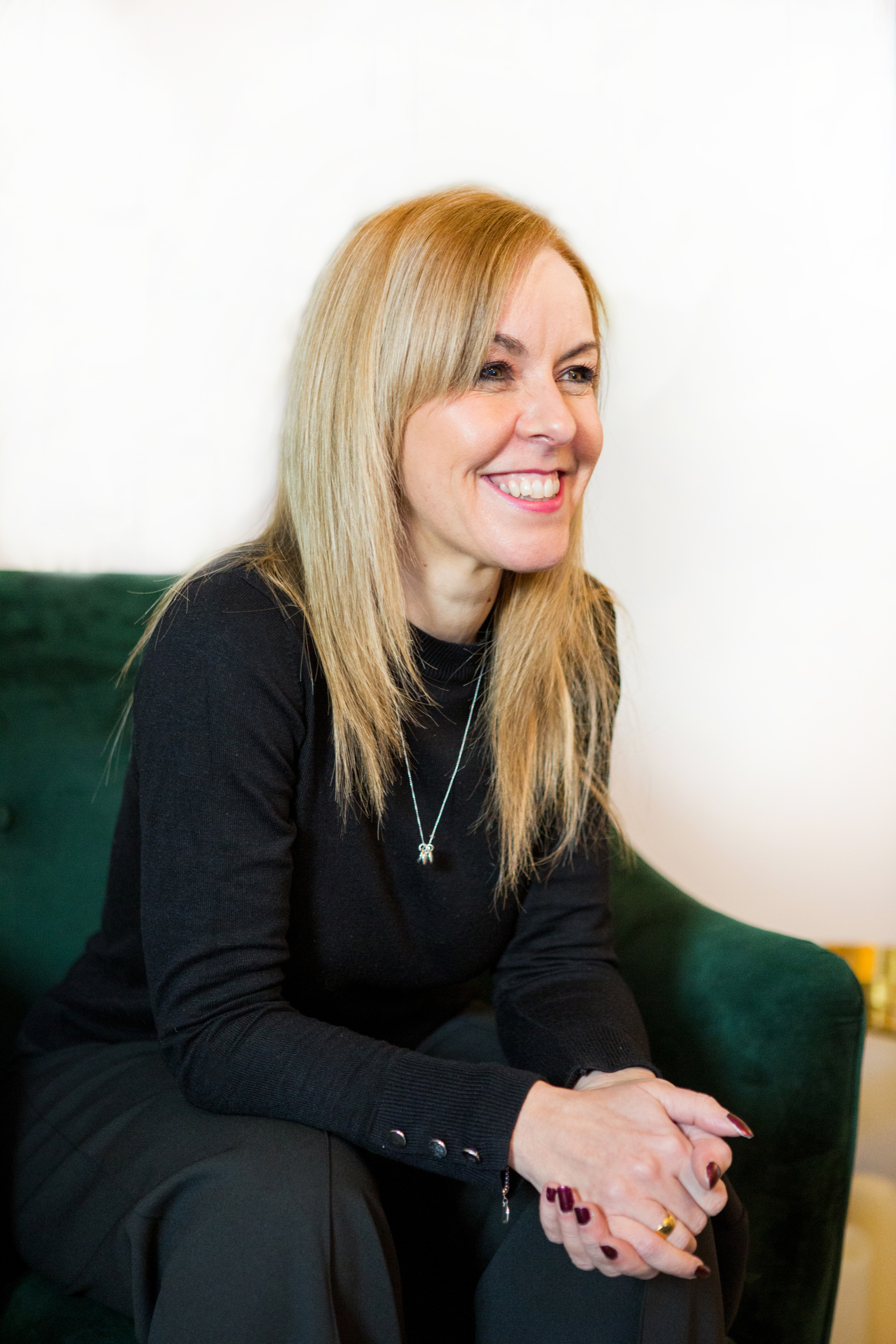
Internal Comms, Employee Experience and Culture Consultant
Jo Coxhill
Workplace Culture, Employee Experience, Listening & Internal Comms Consultant | Burnout Advocate and Speaker | Founder of Vision 29 and ConnExions:MK | Fellow IoIC
Jo is on a mission to make work not suck. With extensive experience in employee experience, organisational culture and internal communication, Jo helps companies improve performance, profits and cultures by creating happy, healthy and engaged teams. Known for her authenticity and results-driven approach, she helps organisations prioritise people, build resilience, and create a true sense of belonging.
Jo has worked with many organisations including ZEISS, Volkswagen Financial Services, Ipsos, PepsiCo, centre:mk, Atlas Copco, Elavon Financial Services. A Fellow of the IoIC, she speaks passionately on the future of work and burnout prevention, has been featured in industry publications such as Voice and Poppulo, podcasts, webinars and events. Jo mentors internal comms professionals through the IoIC, and is the founder of ConnEXions, an informal networking event for IC, HR and EX professionals.


