Becoming a TEDx Speaker with Bobby McNeil


Becoming a TEDx speaker isn’t about a single moment on stage.It’s about the process that comes before it.
In this episode, Bobby McNeil walks through what it actually takes to become a TEDx speaker while working full-time. From deciding to apply, to shaping the idea, to confronting the emotional and time demands most people underestimate.
Bobby shares lessons from his first TEDx experience alongside the parallel journey of writing his first book, Cracking the Code. Not as a playbook. As lived experience.
What You'll Learn:
What happens before you ever get on a TEDx stage
How the TEDx process differs from corporate or conference speaking
Why mindset and identity matter more than performance
The real time and emotional cost of becoming a speaker
What surprised him most about visibility at this level
If you’ve ever thought about applying for a TEDx, or wondered what becoming a speaker actually requires beyond confidence and polish, this episode gives you a grounded look at the reality.
What You’ll Learn
What it actually takes to become a TEDx speaker while working full-time
The biggest differences between a TEDx talk and a normal keynote or panel
How to shape one clear “idea worth sharing” (and cut what doesn’t fit)
Why the TEDx prep process is so rigorous. And what to expect from coaching
How to manage the time and emotional energy it takes to finish the process
The most “unsexy” first step you can take today to get started
Resources Mentioned
Listen to Bobby’s TEDx Talk - https://youtu.be/6FzE0_PeQZU?si=g7mw6yB4ZXtwsWLd
Buy Cracking the Code - https://amzn.to/458j9au
Connect With Us
Connect with Bobby - https://www.linkedin.com/in/bmcneil/
Connect with Rhona https://www.linkedin.com/in/rhonabarnettpierce/
Want to turn your team into creators?
Visit workfluencermedia.com to learn how we help companies build video-first content systems that attract, engage, and retain talent.
TEDx speaker, how to become a TEDx speaker, becoming a TEDx speaker, TEDx application process, TEDx talk preparation, public speaking career, professional speaking, thought leadership, personal brand, career visibility, working full time and speaking, content creation while employed, career storytelling, speaking opportunities, first TEDx talk, Workfluencer
Learn more about your ad choices. Visit megaphone.fm/adchoices
Bobby McNeil (00:00.238)
I've been in the profession for 16 years. I just felt it was time that that collection of experience was really important.
Was there anything in cracking the code that felt like especially vulnerable or risky to
The bias you don't see but definitely feel. Where I talk about an experience, people ask me like, that really happen to you? I think part of any creative process, whether it's a book or a TEDx talk, really confronting vulnerabilities head on. I did TEDx peristre, every medium demands a different version of your voice. On a TEDx stage, the timing is everything. At one point I may say something like this.
and then I may tone it back. Kind of can't do that in a book. There are people in my TEDx cohort that were preachers, CEOs, teachers. They'll tell you, this process was different and they learned something. Be open to doing a TED Talk in another city. When you go to do a TEDx Talk, have an idea that's
Most professionals dream about writing a book or giving a TEDx talk someday. Bobby McNeil did both in the same year while working full-time in talent acquisition. From navigating his first publisher to discovering TEDx isn't just another speaking gig. He's learned what it really takes to step into completely new creative arenas when you're already established in your field. Bobby, welcome to Workfluencer.
Bobby McNeil (01:16.142)
Thank you so much. I'm happy to be here. I'm very excited about this.
I'm excited that you're here. For those who don't know you yet, what's the Bobby McNeil story in 30 seconds?
Okay, 30 seconds. So I grew up in a small town in rural North Carolina called Fuquaverina. So, you know, really kind of in that upbringing, really had to, you know, growing up in a small town, I had to really learn how to, I guess, be resilient and kind of, you know, blaze paths where there weren't many examples. And, you know, I was also a star athlete back in the day, I played basketball. I was a star athlete in high school here in North Carolina. Also won NCAA title.
college, which you can probably see some of that stuff in the back. But I think what that really taught me was like, you know, confidence, work ethic, and just ability to kind of show up under pressure, you know, long before I, you know, I became, you know, a public speaker or Ted speaker, or even like, you know, working in the corporate arena. So I spent some time, you know, in ministry as well, that kind of taught me empathy, you know, using my voice for good and just really connecting with people and having the spirit of
just really helping them to kind of navigate different avenues and things like that. And I also did some community leadership with some of the top black professional organizations in the world that allowed me to really be a bridge and a connector for people, also lead by example. So that's a quick little spiel about me.
Rhona Pierce (02:44.11)
Really, really cool. So you just became a first time author, congrats, with cracking the code. And you also gave your first TEDx talk, Not Breaking In, But Becoming. And I love that both titles challenge how we normally think about careers. Like, let's start with the book. What made you decide that the world needed that particular message?
Yeah, so I had been in the profession for 16 years. So it's been a long time. And throughout that 16 years, I've been able to sit in multiple seats. know, I've been obviously the recruiter, you know, the person talking to the candidates every day. I've been the people manager and the hiring manager. I've been the strategist that's been in these boardrooms and in these like meetings and discussing, you know, talent mapping and hiring for the next year and why the requirements, all the requirements and how everything's aligned. And I've been the candidate too.
Right? Like we all have. So I just felt it was time that that collection of experience was really important because I think I truly believe it will help people around the world and really kind of help them navigate their own careers and really getting a kind of a glimpse as to kind of what goes on behind the curtain. Because just with the current climate, with the job market and everything like that, I thought it was very timely and I thought I had enough years of experience, enough chops under my belt to really kind of share some key stories.
I've done speaking engagements and podcasts before and things like that. But I think what the book did is it allowed me to give those gems and give those insights, but this time in a more elevated but creative way.
Amazing. Who did you write it for?
Bobby McNeil (04:23.842)
Yeah, so obviously, you know, job seekers, you know, career transitioners, and also just a curious, you know, people who are just curious about how things happen. Right. You know, there's a lot, you know, that's being said that some of it is true. A lot of it is not true. Right. So it's more so for people who are just curious as well. And also people who just really like good stories. You know, the book is not just, you know, tips and guidance. It's stories about myself. So it's somewhat autobiographical, but it's also stories about real people as well.
who have, for lack of a better word, cracked the code.
And I actually love the fact that your book is not the typical like job search strategy book. Like it's a mix of like the storytelling with of course your industry knowledge. You went beyond, like you said, just the tips and tricks. Like why did you decide to go with this style?
Yeah, so, you know, really it's interesting because when I first started the book, I was going to kind of go that cookie cutter method and it be really, you know, kind of polished and curated as such. But, you know, I really wanted to I decided to write a book where, you know, yes, I'm an expert, but also wanted to view it as a storyteller. Right. And what I really wanted to do is, you know, really have those stories there because I feel like the stories definitely resonate with people. Right. When I'm
going through these different corporate spaces, I think a lot more connection is made and a lot of people learn lessons a lot better when they can see themselves in the stories and they can connect with what's really going on in the narrative, right? So not necessarily instructing them, but illustrating something for them and letting them know that like, hey, I want you to be able to see yourself in these stories. I want you to be able to see yourself.
Bobby McNeil (06:08.31)
in the journey that I'm sharing in this book. So I think that was really the reason I wanted to connect with people. didn't want to talk over their heads with a whole bunch of HR jargon and things they may not know, right? I wanted to be able to connect with them and kind of break it down in a real way, not dumb it down to the point where it doesn't allow them to critically think, but not talk over their head to the point where they can't relate, if that makes sense.
Hey, have you subscribed? Let's fix that. It's the easiest way to support this show. What's your favorite story from the book?
man. There. Okay. So there's a story in the, it's the Swiss Army Knife chapter is basically talking about transferable skills. And this is the story a lot of people, you know, they've come back to me found very intriguing about a friend that I met in DC. And I was at a speaking engagement and she had reached out to me. And she wanted some career advice.
So I kind of talk about the story and kind of illustrate it a little bit. I don't want to give too much away, but it was a pretty cool night. I'll just say that. it ended up being a get together amongst friends, but it ended up being kind of like a career talk coaching session, so to speak. so I think that's definitely a story that resonates. And also the story I give about networking.
about a person I met at a conference in Atlanta and how networking really is a long game. So what started as a seed that was planted at a tech conference in Atlanta, a year and a half, two years later, ended up being a career opportunity for him and more exposure for myself. So, and just kind of walking people through that journey and really illustrate the details and what the weather was like and the mood I was in and the people that were there and just remembering all those details and being able to put it on paper. Those are the two.
Bobby McNeil (07:59.726)
Like people always come back to me and say, are really cool stories. And they could, again, they could see themselves in the stories, which was important.
Exactly. That is the most important part of any story that the reader or the person receiving it can see themselves in it. So every book has that one chapter or story that almost doesn't make it in. Like, was there anything in cracking the code that felt like especially vulnerable or risky to share?
Yeah, I I went through honestly, probably a couple iterations about cracking the code. would say chapter one for sure almost didn't make it. Chapter one is titled the cold front when the job market goes silent. And it's basically, you know, one of the reasons that, you know, someone may struggle with, you know, landing opportunities, just a cold job market. And I almost did not put that in there because especially with everything that's going on, you know, it was like, that's a very sensitive topic.
But, know, kind of talking to, you know, people, you know, that are close to me, people that are kind of in the same considered peers of mine, in the same profession, my mentor who's, you know, actually in the same space as well. like, you need to put that in there because, and it needs to be chapter one. You need to address it upfront. Obviously put a story to it, which I did, you know, for people to connect, but I think it's imperative and it's timely. So.
I almost didn't put it in because, you know, just because of the sensitivity that's kind of going on, but it's like, you know, it needs to be mentioned. So that was almost not, almost didn't make it, but it did. And I'm glad I did. That chapter has gotten a tremendous response. Also chapter nine almost did not make it. chapter nine is called Invisible Filters. The bias you don't see, but definitely feel where I talk about an experience where early on in my career, you know, much younger in the game where I was treated pretty poorly in an interview.
Bobby McNeil (09:52.694)
So I kind of go through, I illustrate that. Obviously I didn't forget it. And people ask me like, did that really happen to you? I was like, yes, that's a true story. Like I tell everybody this book is somewhat autobiographical. It was a true story. It happened many years ago. But I had to come to grips with the emotion I felt and how that made me feel. had to kind of take myself back to that time and kind of remember like even, you know, the small apartment I was living in at the time and kind of going back and, and just kind of feeling humiliated.
with the entire process. again, people were saying like, hey, you need to put that in there because it helps you relate to the job seeker, right? You're the recruiter, the amazing award-winning talent acquisition leader, but it makes it personal for people to know that you went through some of the same things that they went through. it just showed overall growth. But those are the two chapters that almost didn't make it.
Amazing. And it's so important because people can see you as successful in all of this and forget everyone in this world, or I would say almost everyone who is successful has gone through a job search and has dealt with some level of
what we know the job search is. it's really wild that one of the chapters that you almost didn't include ends up being chapter one. That's amazing story. What part of the process of being a first time author surprised you the most?
Yeah, for sure.
Bobby McNeil (11:25.358)
Hmm. Good question. I, you know, I would say just as a first time author, I would just say the overall process, honestly, this was, I learned a lot, you know, throughout, you know, the process, even working with the, you know, publisher for the first time, which my publisher has been great. Shout out to She Publishing. Amazing. They've been supporting me throughout this whole journey, but it's not just going in and writing, right? There's a, there's the, the, the business of the book.
there's the process of the book, right? So there's like timelines and deadlines you need to meet, right? There's drafts or rewrites, right? Like even like, you know, beta readers, like this is something that I was introduced to. Like, so around like, I would say about halfway through the book, you know, you submit it to the publisher and they have beta readers that kind of just, hey, you know, before you get too deep into the writing, let's just kind of see where you are. And the beta readers are like experienced authors that are like seven, eight, 12, 13 books in, right? So they're hand selected by
by the publisher. Some of them are internal to the publication. Some of them are outsourced. And they give you kind of like, hey, maybe be mindful of your tone here, your cadence here. Try to connect these dots here. So the beta reading process for me as a rookie author was very valuable because it gave me things to think about. And that also was the inspiration behind me rewriting it and not having it so be so boardroom and corporate, but be more creative and more talk in the
the language and the vernacular of the season and the time, right? Because I wanted to make sure and wanted key feedback points that I got is like, hey, make sure who are you writing this book for? And I had to be mindful of that. So the beta readers were instrumental editors, formatting, formatting the book. After you go through editing, then you have to format it. So just learning about all of that was new and things like that. And even learning that,
ghost writers are actually available, right? But I did not want to go that route because I like the experiences that I was talking about and the things I was saying and the real stories, it had to come from me. So, and I think one thing, another thing I say I learned from a creative lens is I think part of any creative process, whether it's a book or a TEDx talk, you know, really confronting vulnerabilities, you know, kind of head on.
Bobby McNeil (13:49.678)
I kind of gave the story about some of the things I went through in my career, taking myself emotionally back in time and really kind of living in that again. So I could put that in the book and even with the Ted Talk as well. mean, I think that's a part of the creative process that we don't talk about enough. It's like confronting your vulnerabilities head on.
Yeah, that I can imagine that's a lot of and just in you telling me everything that you've learned, I didn't understand that the whole beta reader process was with like experienced authors that must have been scary yet, like super helpful, like you said. let's switch to the talk, right? The title of your TEDx is not breaking in, but becoming. What's the core idea you wanted people to walk away with?
Yeah, so, you know, throughout my career, you know, I've, you know, I've worked in a lot of different industries, you know, you know, I got my claim to fame, so to speak, in the tech industry. And one of the terms always heard was, you know, breaking in, right. And it's basically about breaking into tech. And, and that's where that term comes from an access, you know, to an industry or a space. And the key thing was, is that you have to have belief in yourself and really trying to reframe thinking around access and opportunity and not
talking about it so violently, like there was a, there was a, a, a, a line in my TED talk that made people really laugh and it kind of really resonate with people. It's like, I think I said, um, see if I can remember this because I've invited it. I was like, I don't know about you, but when I hear breaking in, I think about ski mask and crowbars, not resumes and LinkedIn profiles. So it's like, you know, why, you know, when the words we use hold a lot of weight and you know, let's not count ourselves out or, you know, that's not,
let's not psych ourselves out before we even get in, right? And it's just, you know, talking about, you know, belonging, talking about how we look at access to opportunity, I think is really important, right? So it's just more of a reframing of thought, reframing of language, and it's about shifts, like, you know, shifting our minds, shifting our language, shifting our attitude and our perspective to growth. And, you know, you don't have to prove you belong.
Bobby McNeil (16:09.838)
You've already done that a lot of times, you just don't realize it. So you're not really breaking in. Don't talk to yourself like you're an intruder or you're invasive. Everywhere you go is a place in a space you belong in. So that was really the whole concept is just, I don't necessarily advocate for people like, oh, you can't say this, you can't say that. I'm not here to tell people what to say or do. if it's...
sparks conversation and dialogue at the dinner table or amongst friends. If it gives you, you know, kind of an opportunity to think, kind of think for a second, how you talk about yourself and things like that, then I think that was a job well done. It was a mission accomplished.
It's so important and people don't realize how important your mindset is when you're approaching a big change in your career, like getting into tech and yeah, you're not breaking in, you're becoming, I love that. So walk us through the beginning, like how did TEDx even get on your radar as something that you wanted to do?
You know, it's interesting. know, a TEDx talk was not on my menu for 2025. I'll be honest with you. It was something I always knew I wanted to do. I was actually approached to do it last year, but I turned it down because it just wasn't the right time. think, you know, timing is important, especially with things this of this magnitude. You know, in 2024, I was in droves of writing the book and I was like, that's that's what I have in front of me right now to steward over. So I'm going to do that.
I had obviously expressed interest and had gone to a couple of TED Talks. had a few close friends here in the Raleigh-Durham area that did TED Talks. So I went and I really kind of networked and it's like, hey, this is something I'm definitely looking to wanting to do one day. I think it was like the spring of earlier this year, I was like, hey, I'm going to attend. It's like, hey, would you actually be interested in speaking?
Bobby McNeil (18:16.366)
I know last time you said it wasn't time, this might be the year. You got a book coming out, you're doing a lot of great things in your career. And I was like, okay, as long as it's after the release date of the book, I'll do it. And I was like, when is it? And it was two weeks after the release date of my book. So I was like, okay, I'll be well in editing and formatting at the time. Like sure, let's do it. So you put in an application.
And I already had in my heart, in my mind, what I was already gonna say, like not breaking in, but becoming was something I was thinking about in the car because I'd said this on a podcast before, I said this on some panels before and it really resonated with people, but it was also unconventional. So I already kind of knew it. I'd basically kind of put in kind of a raw, like kind of simple application, what I was gonna do, but it was all rooted in identity and it fit with
the curator's vision. you know, I did Tedx, Paris Street, I'm here in Durham, North Carolina. If you know anything about Paris Street, know, Durham, North Carolina was one of the few areas where they had Black Wall Street. So it was Black history, the legacy of Durham, North Carolina. So it was in alignment with her theme, which was next. So when you think about not breaking in, but becoming, it's about what's next. So that's how the process, know, at least the initial process started, and then it was on from there.
Amazing. So you've done plenty of speaking before. What was the moment in like the TEDx process where you went like, okay, this is not a regular talk.
Yeah, you know, it's interesting. think the cohort that I was in, we were all like, for the most part, pretty experienced speakers. But I think we will all tell you, you know, this is different. It's totally different. It exercises a completely different muscle. It's, you know, like book writing. I mean, it's it's slow. It's deliberate. It's very introspective and it's structured throughout.
Bobby McNeil (20:16.366)
A TEDx talk is fast. You get 10 minutes, at I got 10 minutes we did. And you have to be impactful within that 10 minutes. You have to have that rhythm, so it's somewhat rhythmic. And it requires a lot of immediate clarity. The timing is of the essence, all of those different things, and really emotional presence. And it's different. The preparation is different. It's very rigorous, but it's rewarding. So there's
You know, your mentors and your coaches, kind of give you kind of a, at in my cohort, they give you the kind of the overall scale of what it's like to be a TEDx speaker, what, you know, all the process you got to go through. And then you kind of break it down, like, okay, well, you know, come up with a topic is pretty much already what you applied, what you submitted, which has already been approved, but then you have to build from it. So you didn't have to do an intro. Then you have to like, kind of have this like skeleton that you have to put meat on.
and cartilage on, right? So you're kind of building throughout and then sometimes you got to go back and rewrite it. Mine was actually too long because I had came off of writing a book, some long form content. My like I had like we had to get it out of 10 minutes or less. Mine was 13 minutes.
I had to scale it down. So that was a process, it was rigorous, but it's definitely rewarding. think the different mediums, like, you know, we talked about how TED is and book is and corporate speaking is very polished. It's very professionals, metrics, outcomes, discussing trade-offs, you know, preparing for any questions that may be asked by leaders or executives. know, community speaking is all about passion, authenticity, not necessarily rehearsed, lot of cultural, you know, you
you know, really cultural impact. mean, social media content is bite sized, you know, it's bite sized storytellers, visuals and things like that. what I learned is basically what I learned is that every medium demands a different version of your voice, right? But it's all kind of the same truth and it's all, you know, who you are as a person or even as a professional.
Rhona Pierce (22:21.934)
How do you find those different versions of your voice as you're going through these different mediums?
Yeah, think for me, you know, lot of one thing a lot of people don't know about me, I do kind of have like a creative background. So, you know, I think with, you know, basketball really is what I was known for when I was young, but I was actually a good artist. You know, I think my professor, one of my art, the art professor in college actually wanted me to change my major from business to art. So I think it's I think the key thing is and what I learned kind of from like early on and even throughout this process is that
You know, the mediums are different, but the audience is the same. So you have to think about on this particular medium, how are they going to capture your message? Right. So I think you got to always have the audience in mind. Right. And how or how they're going to receive the message from that medium. So on a TEDx stage, you know, it's very, you know, it like like the timing is everything because you want to you want to evoke some emotion. You want to pull them in, you know, so you have to be
You know, like at one point I may say something like this and then I may tone it back. Right. Kind of can't do that in a book. Right. In a book you have to like, you have to really illustrate it through words and you have to be detailed. I was here at this time. This happened. This is how I felt when I felt this. My mind went here as soon as my mind went here, then this happened. Right. So, you know, social media is just like real quick, right? You know, how can I, you know, how can I get the message across visually?
Now I might have a great caption, but the visual is everything. So how is the visual telling the story, right? So like, what do I want people to capture in an Instagram post? What do I want them to capture in this photograph? This is photo that I've done. Like, what do I want people to get out of it? So I think it's the same audience, but you have to really understand your audience and how they respond to different things.
Rhona Pierce (24:22.454)
Was there a point in either process or the book or the talk where you genuinely thought like, might not finish this.
man, yes.
What got you past this moment?
man, yeah so I would say with both there were definitely some like know creative struggles I think with both. I would say I would just kind of focus on the ones I guess kind of like that both had in common. I mean there were definitely times in both where the writing definitely stalled because life happened you know family member was ill, I wasn't feeling good you know.
work demands powered up, maybe require me to work overtime for a whole week, which means I don't write for a week, right? So there's like life things, right? And then also like I mentioned before, it's just kind of, I think with both, there was some definitely emotional fatigue of revisiting old chapters of my life, right? Some of those emotions were brought maybe some sadness.
Bobby McNeil (25:30.798)
maybe brought back some bad feelings, but also some of it was very nostalgic and brought back some joy. But I think the creativity of it all requires some emotion. mean, juggling deadlines with a full-time job and having a board position and just real life, I think that's going to be key. think really, I would say the key thing that got me through it really was my community.
Right. And not there, not them being there as cheerleaders, but them being there as kind of a mirror, you know, and because they know who you are. Right. And they know what you're capable of. And I think that encouragement was everything, you know, even like, you know, my mentor, you know, throughout the Tedx process, like I would just call him like, man, I can't get through. I called him one Saturday. I can't get through this intro.
I can't even get started, right? And so I think having those people around you, they're like, hey, Bobby, you may be overthinking a little bit, man. Just be authentic, be true to who you are. Be the introspective person you are. You have a story to tell and people are in a room are gonna resonate with it, right? So I think just like having that community around you is key. Nothing great gets done alone. Exactly. Yeah, and I even got ideas from people.
Like, hey, I'm going give you that idea. If you like it, great. If not, then it's okay. So I took help from people, you know, and that's, so I think that's what really got me through.
So you've been in TA for like 16 years and you've created content online, but becoming an author and a speaker is like a different kind of visibility. What surprised you the most about putting yourself out there in these new ways?
Bobby McNeil (27:16.706)
I think,
You know, a lot of times, you know, when you're, you in like a corporate space, you know, sometimes that can be, it can be discouraged to kind of go out and be creative and do those things. I was actually surprised at the positive embrace that it got. Right. And I think we're moving to an era now where, you know, professionals are more than just what they do down to five. Right. Especially if it's something they're really passionate about.
Right. So I think, you know, that was in a way surprising because, you know, lot of the topics I talk about, I know I wouldn't necessarily say they're controversial topics, but they're definitely very targeted topics and definitely topics that could evoke some emotion, whether positively or negatively. So I was very, you know, really surprised at that. the not necessarily the embrace, but just the acceptance of it all.
you know, especially with, you know, a book called Cracking the Code, you know, where I'm basically kind of pulling the curtain back a little bit, right. But but being mindful of I didn't want to be controversial. I wanted to be inspirational. Right. So so doing that was key. But also with a topic like not breaking in, but becoming, you know, breaking in is a very common common thing. And people, you know, have it on T shirts. People have it titles of their podcasts. like, hey, you know, that could be a thing as well. But
You know, even even in that, you know, the the response has been warm and people understood where I was coming from because they could see my heart behind what I was saying. And it wasn't to, you know, be judgmental or critical of, you know, peers or any of these spaces. But they knew it was to, you know, help people kind of get through this, helping people, you know, kind of work through things, because it is it is a code that you have to crack. And it is about understanding who you are.
Bobby McNeil (29:16.038)
And just being nice to yourself really, right? And really focus on more on becoming, know, versus trying to kind of have that self doubt before you even get started.
It's so good to hear that it's been received positively because yeah, lot of people, especially lots of listeners of the show work full time and they want to do these things and they don't want to stop working full time. But there's always this like, how is this going to be received? So it's really cool to hear that it's been received. Well, I know right now you're in the middle of creating the audio book. after writing it, how does it feel to perform it?
Yeah, so we got the ebook coming out soon. So that's pretty much, you know, just a digital copy of it. The audio book, I'm actually going to be I've had a lot of discussions with my publisher and, you know, an engineer that I'm in contact with. I will be I haven't gotten in the studio yet, but I will be getting in the studio soon. But in my conversations, I've learned a lot about that because this is all like a first for me. Right. So.
You have to have an audio engineer who knows how to do audio books. Right? So I'm learning that as well and do it on the proper platforms because you have to submit the vocals in a certain pathway on a certain, on a certain like, you know, in this absurd level. Right? So it's not just like, record and then, Hey, you got a, you got an audio book. There's so much more that goes into it. Right? So, you know, having studio time and actually going in and actually
reading it, like actually like reading and reciting it. And I think my TED talk experience is going to help me with that as far as like how I use voice inflection, how I use my words, how I can kind of change my tone, how I can lift my tone, like to make to make certain points come across. So the process is, you know, you can from what I've understood, you can use a teleprompter, like you can hook your, you know, your digital copy up to a teleprompter. You can read off the teleprompter or you can just have a kind of like a, you know, a tablet.
Bobby McNeil (31:27.614)
Kindle and you can read off it that way that will prevent from like somebody hearing the pages flicker. Yeah, that's to be important, too So those are the kind of recommended elements, but it's really you know, just going in and just really You know having you know, to me it's important to have my voice, right? So there's other options, you know, you can have somebody Come in and do auditions and have somebody who sounds like you kind of like an actor would have like a stunt devil. Yeah
I don't want to do that. So that's really kind of how the process is. It's just really finding the right engineer for that right type of platform. And then going in and just reciting it, maybe starting with a chapter and kind of seeing how that goes. Okay, so you got 10 chapters, maybe we do two chapters a day, right? And also I think it's important as well, like, you know, what I'm learning is, you know, it's okay to kind of pause and take a break, right? You know, and kind of do those things as well. You know, even talking to the engineer, he was like, yeah, you'll probably have to rest your voice.
So make sure you make time for that as well. that process is underway and it's coming.
Oh, that is this has been a really busy and great year for you 2025. So for someone listening, who's thinking one day I want to write a book or one day I want to do a TED talk, what's one small, unglamorous first step you'd actually recommend that they take after hearing this?
Yeah, I would say even for both, think, write the messy draft before you even get accepted. I know that's probably unconventional, whether it's a book or a TED Talk, if you already know something that's on your heart for TED Talk, kind of write it out. Kind of write it out. Read and research, write the messy draft. Even with the book, how my book started is not what ended up
Bobby McNeil (33:18.914)
you know, on shelves, right? So start the messy draft. It's okay to do that. It's okay for it not to be perfect and for it to be all cohesive from the beginning, right? You'll go through the process and there'll be people that help you do that. Another thing I would say, you know, I was very blessed because I knew what I wanted to write about before I even got a publisher. So I think it's totally fine to find your message before you find your publisher or find your editor or you find the opportunity.
I think that's totally fine. As far as the Ted Talk, think a lot of people want to do that. think for me, I would say definitely networking. Go to Ted Talks. Go and be in the crowd, be in the audience. Volunteer. think proximity and visibility are everything. So show interest that way. Be open to doing a Ted Talk that's not in your city. I just happen to...
you know, do one in Raleigh Durham, but our cohort had people from other parts of the country. So there's an opportunity that, you know, you'll maybe feel more led to do it in another city, be open to, you know, doing a TED Talk in another city. I would say apply for it. You know, when you go for the do a TEDx talk, you know, like have an idea that's unconventional. That's usually the one that's the what they call the idea worth sharing.
And I think that's going to be key. just, you know, except that, you know, no matter, you know, how experienced or unexperienced you are, there's going to be learning in all levels. So except, you know, the learning curve or the process, whatever that learning curve may be, it may be steep, it might not, but there's always something new to learn. You know, you know, I promise you, when I do my second book, I'm going to have that experience from my first book, but I'm going to learn something then, you know.
There are people in my TEDx cohort that were, we had preachers, we had CEOs, we had teachers who talked to professors, people who talked to people all the time and they'll tell you, this process was different and they learned something. So always be open to learning and no matter what that learning curve is.
Rhona Pierce (35:28.046)
That is really cool. So if you've watched the show, you know, there's always a rapid fire segment. We've covered the big picture, but now it's time to confess. No PR spin, no polished LinkedIn answers, just the messy real behind the scenes of becoming a first time author and TEDx speaker. I'm going to throw a few questions your way and you just give it to us straight. Are you ready? All right. What's one thing that you put in the book that someone, an editor, a friend, a colleague,
I'm ready.
Rhona Pierce (35:57.678)
Questioned but you fought to keep it in
yeah, the cultural metaphors, you know, cause it's titled the career book for the culture. That has a dual meaning, but like the metaphors about like sneakers and my grandmother and soul food and things like that. I kept those because I wanted to make sure that people could resonate with it. And even if you don't come from like the black community, you could still resonate with the book. Cause everybody had a grandmother, everybody has something they like buying and things like that. So it was definitely keeping those for sure.
What's the harshest piece of feedback that you got that stung at first but made the final version strong?
it was, was overly polished, overly polished. It's like, it's like every other career book. It's like, you need to make this more personable. You need to talk to the people you want to talk to and don't be afraid to do it.
I'm sure that stung at first, but ultimately made the book relatable in what it is today. right. Give it to us straight. What's one thing about doing both a first book and a TEDx talk that absolutely no one prepared you for?
Bobby McNeil (37:17.39)
I had to, a lot of time that was sacrificed. you know, I will full transparency, you know, we can be vulnerable here on work fluency. I sacrificed my whole summer. I did. Yeah, I sacrificed my whole summer. You know, just trying to give my best to each thing. So there is a time commitment. There was a time commitment to doing one. Imagine the time commitment to both simultaneously and them being successful. So there's sacrifice.
that comes with creation, for sure.
Amazing. So I've really enjoyed this conversation. Where can listeners connect with you?
Yeah, absolutely. I am. I live on LinkedIn because I'm a talent acquisition professional. So you can find me on LinkedIn. You just put in Bobby McNeil Instagram. I do a lot of like, you know, talking about my book career advice, things like that on Instagram. So, you know, my name is Bobby McNeil Jr. You can find me on Instagram. Those are kind of like the two main main platforms right now that you can find me at. Cracking the Code is available on Amazon, Barnes and Noble.
and wherever books are sold online, and more to come on that as well.
Rhona Pierce (38:29.528)
All right, and I'll include all of those links in the show notes and I'll also include the link to your TEDx talk because it is amazing. Thank you so much. Thank you so much for being on the show today.
Yeah, thank you for having me. This was a lot of fun.
If you're enjoying the Workfluencer pod, share it with someone who's changing how we talk about work or who should be. And hey, if this episode gave you ideas or inspiration, leave us a five-star review. Reviews help other listeners find us. And honestly, it makes my day. This show is produced by Workfluencer Media. Visit workfluencermedia.com to learn how we help companies build video-first content systems that attract, engage, and retain qualified talent.
That's WorkfluencerMedia.com. Thanks for listening and I'll chat with you next week.
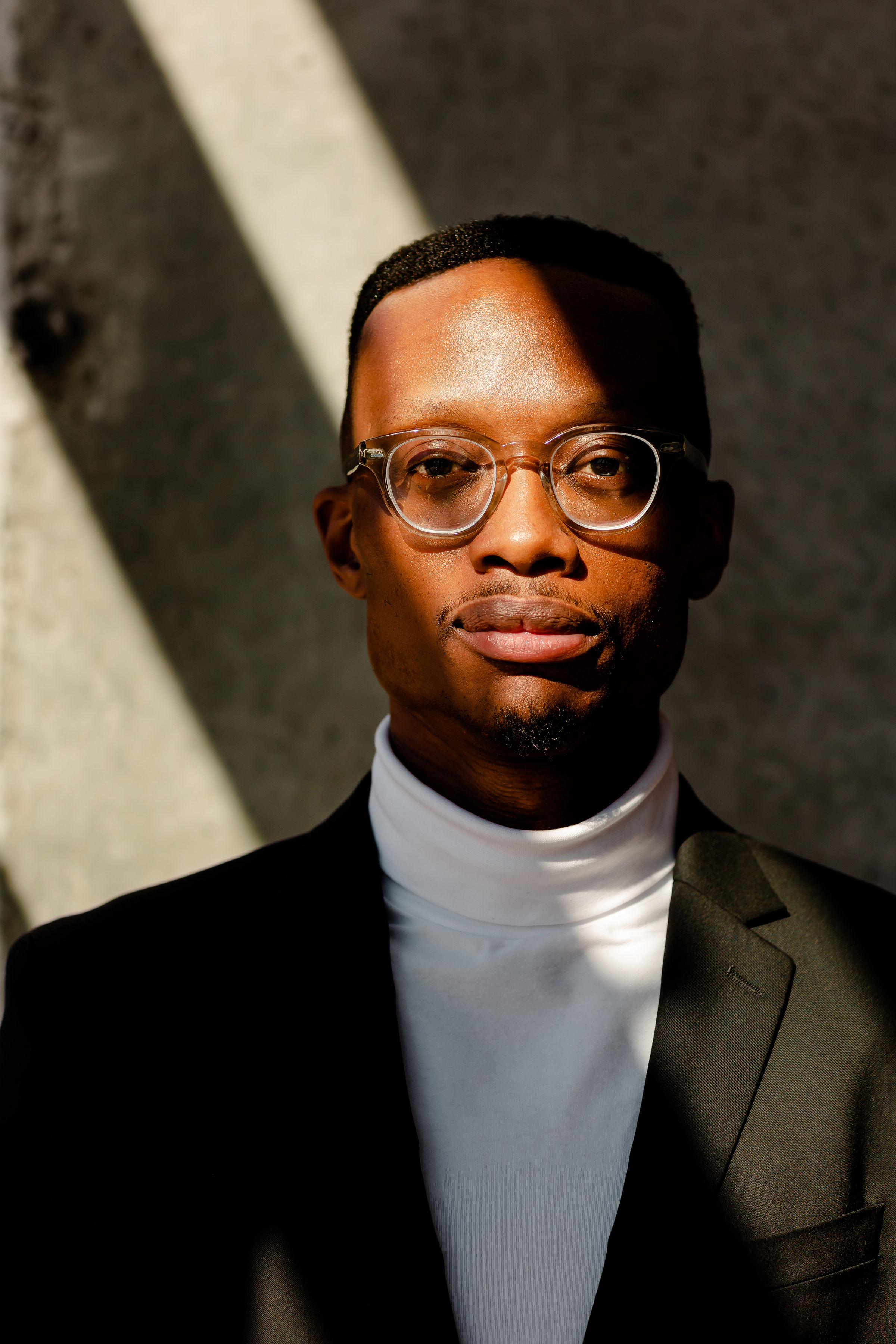
TEDx Speaker | Author | Award-winning Talent Acquisition Manager | NCAA Champion
Bobby McNeil Jr. is a nationally recognized, award-winning Talent Acquisition Manager, TEDx Speaker, author, and career development advocate with over a decade of experience designing and implementing hiring strategies. He is known as one of the most trusted voices in talent acquisition, with expertise spanning technology, engineering, R&D, finance, and beyond. His reputation rests not only on connecting top talent with meaningful opportunities but also on sustaining success across industries with consistency, authenticity, and impact. Bobby has built a career at the intersection of professional excellence and empowerment.
This year, Bobby released his debut book, Cracking the Code, a candid career guide blending personal stories, insights, and actionable strategies. It empowers job seekers to navigate today’s competitive job market with confidence and clarity. In the same year, he delivered an impactful TEDx talk, Not Breaking In, But Becoming, which challenged conventional narratives around access and achievement while inspiring audiences to own their career journeys with confidence and purpose.
Bobby’s thought leadership has been featured on national platforms, podcasts, and media outlets including CNBC. Whether in boardrooms, classrooms, or community spaces, Bobby leads with authenticity, vision, and a commitment to creating lasting impact.


