

 Apple Podcasts
 Spotify
 YouTube
 PocketCasts
 Overcast
 How to Stand Out on LinkedIn Without Following Trends
Most advice about LinkedIn content says the same thing: follow trends, post consistently, and play the algorithm.
But what if that’s exactly why your content isn’t standing out?
In this episode, leadership strategist Julia Rock breaks down how to stand out on LinkedIn without copying trends, chasing viral formats, or sounding like everyone else. She shares what actually drives meaningful engagement, how to build authority through content, and why authenticity matters more than ever in a crowded feed.
You’ll also hear what it really costs to show up online while working a corporate job—including how Julia handled being reported at work for her content.
If you’re trying to grow on LinkedIn, build a personal brand, or create content that actually makes an impact, this episode will change how you think about your strategy.
What You'll Learn:
- How to stand out on LinkedIn without following trends
- Why most LinkedIn content sounds the same (and how to fix it)
- How to create content that builds real authority
- The risks of posting content while working a full-time job
- How to stay authentic without hurting your career
- What actually drives engagement on LinkedIn today
Resources Mentioned:
- If you've been wanting to post more consistently on LinkedIn, try Stanley for FREE - https://workfluencerpodcast.com/stanley
- Subscribe to Rhona's Newsletter: https://link.rhonapierce.com/newsletter2
Connect With Us:
- Connect with Julia - https://www.linkedin.com/in/julia-rock/
- Connect with Rhona - https://www.linkedin.com/in/rhonabarnettpierce/
Want to turn your team into creators? Visit workfluencermedia.com to learn how we help companies build video-first content systems that attract, engage, and retain talent.
LinkedIn content, linkedin content strategy, personal branding, content strategy, LinkedIn growth, thought leadership, creating content, professional brand, personal branding for professionals, corporate content creation, workfluencer
FAQs
How can I stand out on LinkedIn without following trends?
Focus on sharing original perspectives, real experiences, and clear insights instead of copying viral formats. Content that reflects your expertise and point of view is more memorable and builds long-term authority.
What type of content performs best on LinkedIn today?
Content that is clear, actionable, and opinion-driven performs best. Posts that challenge common thinking, share real experiences, or offer practical advice tend to drive more engagement than trend-based content.
Is it risky to post content on LinkedIn while working full-time?
It can be, depending on your company’s policies. It’s important to review your employer’s guidelines, stay within boundaries, and ensure your content aligns with professional expectations.
Why does most LinkedIn content sound the same?
Many creators follow trends and repeat popular formats, which leads to similar messaging. This reduces originality and makes it harder for individuals to stand out.
How do you build authority on LinkedIn through content?
Consistency, clarity, and strong opinions help build authority. Sharing insights based on real experience and encouraging meaningful conversations also strengthens credibility.
Learn more about your ad choices. Visit megaphone.fm/adchoices
Julia Rock (00:00.162)
I've always been a person to go against the grain. I wanna keep that in my content. It allows me to remain authentic. That they have to sift through 12 of the same type of posts, right? It's not this, it's that. know, like, ugh, for Pete's sake.
Rhona Pierce (00:15.992)
What does it actually cost someone to hold on to their voice? And do you think it's worth it?
Julia Rock (00:22.35)
I was creating content on LinkedIn and my company, started to stalk my social media. They started to report me. I knew I was helping people. For me, it wasn't worth giving that up because they wanted to be nosy and wanted to try to undermine my role. But I know that's not for everybody, right? There are people who are like, I need this job. My advice to those individuals would be...
Rhona Pierce (00:44.718)
Everyone's creating content, but somewhere between chasing the algorithm and copying what worked last week, most people have lost the one thing that made them worth following in the first place, their voice. Julia Rock has built her entire platform on cutting through the noise. And today she's bringing that same energy to the conversation we all need to have about authenticity, authority, and what it really costs to show up as yourself online. Julia, welcome to Workfluencer.
Julia Rock (01:12.994)
Thank you so much, Rona. I'm excited to be here. I've been like, like low key waiting for you to invite me on this podcast. So I'm like, yes, I get to be on here.
Rhona Pierce (01:22.222)
Well, we've known each other for a few years, just internet friends, and I think I've been on your show. Yes. so I was excited to have you. But for those who haven't met you yet, what's the Julia Rock story in like 30 seconds?
Julia Rock (01:39.02)
Man, I am a former corporate leader turned keynote speaker leadership strategist. And I just love seeing leaders thrive and be successful because that's how organizations get better. And that means each of us who work in organizations have a better life because we spend a third of our lives at work. And so we want to make sure we have healthy workplaces and that starts with healthy leaders.
Rhona Pierce (02:05.332)
Yes. So you've built your whole platform around like cutting through the noise and leadership. How does that same philosophy show up in how you approach content creation?
Julia Rock (02:18.262)
Yeah. So I think because I come from Brooklyn and so well Brooklyn and I'm West Indian. And so there's not a lot of room for, for fluff or standing on pretense, right? You kind of just say it like it is. Sometimes I can be to your detriment. But when it comes to content creation, it's about just saying the thing and, really just, and saying it in the plainest language possible.
Because when you dress it up in all this flowery language, people are lost. Like, so what am I supposed to do with this? And what does this mean? Can I take action? And so when you strip away all of that extraness, it then allows people to know, okay, this is what I need to do. This is what I need to apply. This is what I need to reflect on. And so that's the approach I've taken because I don't, I don't want to be an influencer. I want to be someone who drives people to take action.
Like that's what I want to do. And so that's what, what, what moves my content.
Rhona Pierce (03:16.864)
Yeah, yeah, totally, totally get the whole West Indian vibe. Like we just don't, we don't do the whole extra SNLs. Like we just get to the point. So I feel like we're in this strange moment online. Like AI is everywhere. Everyone has a newsletter and a hot take.
Julia Rock (03:28.718)
Get to the point.
Rhona Pierce (03:39.542)
And somehow it all starts to sound the same. Like that's what I've been noticing. How do you protect your own voice when the pressure to sound like everyone else is so loud? Hey, have you subscribed? Let's fix that. It's the easiest way to support this show.
Julia Rock (03:56.234)
Yeah, I mean, because I've just, I've gotten over the, had a piece of avocado toast and here's what it taught me about sales. It's like, what? Just eat the toast. So, so for me, you know, what I have done is to say that my, my ability to help is going to come from disruption and being the person who isn't saying it the way that everyone else is saying it and being willing to risk that maybe at the
at the outset that it may not have traction or it may not have legs or it's like, it doesn't get as many likes or comments, but I'm actually getting the word out there so that people who are looking at it, they may not engage with the content, but someone's going to see it. And the more I lean into that, one, it allows me to remain authentic, but also it allows the people I'm actually trying to serve to get ahold of it. Because if they have to sift through 12 of the same type of posts, right?
It's not this, it's that. know, like, for Pete's sake, right? But so it's really about how do I say something in a different way that will grab their attention and it will more importantly get them to reflect and take action. So I've always been a person to go against the grain. That's kind of what I built my corporate career on as well. And so it's like, I can't lose that because I now want to.
you know, get attention or clicks or likes online. It's like, I've always been that person to go against the grain and I want to keep that in my content. And the other thing I think about is why am I here? Like, what is my purpose on this earth? And not to get all woo woo and philosophical, but, you know, I think about that in everything I do, including content, right? So if I think about my purpose as truly serving leaders because it serves our population and our communities,
then I can't get lost in metrics and who likes it and who doesn't. It's about what do I need to say to serve that purpose? And I believe when I lean into that, someone's going to see it and adopt it and share it, even if I don't see it right away.
Rhona Pierce (06:03.19)
Yeah, and also, I mean, like you said, just eat the toast. It must be exhausting to go through life trying to find lessons in B2B sales and literally everything you do. Like that must be exhausting. I can't even like seriously toast.
Julia Rock (06:19.0)
Just eat the toast. It you know, it grinds my gears because you see like four of those posts back to back. I went to my kid's graduation and I thought about leadership. It's like, why are you thinking of just celebrate your kid's graduation? It's like, but we've been so, we've become attached to the algorithm in saying the thing that's going to get us traction and help us to go viral instead of saying like, what are we, who are we actually trying to help with what we're sharing? And that's, that's what always kind of regrounds me.
Rhona Pierce (06:48.974)
Well, you know what, before I go deeper in the questions that I want to ask, how did you get started with creating content in the first place?
Julia Rock (06:57.87)
You know, I try to think about that because people ask me about my top voice status on LinkedIn. And I'm like, how did I even get into this? think years ago when I was helping people from a career coaching standpoint, I realized, and especially talking to my recruiter friends around, hey, recruiters are looking for people online. And so while I was helping my clients with that,
I said, how about I also am able to share more about the process of finding jobs and what support I can provide. So it was kind of like while I was helping my clients, I said, how can I help more people who may not yet be in my client space or they may never be my client, but people who need to hear the same message. And so I just started kind of consistently putting content out there because I also enjoyed, well, old LinkedIn, not this newfangled LinkedIn.
But old LinkedIn, it was a place where you could just put content out there. Um, it didn't always have to have a picture. It didn't have to be a carousel or a video. The old LinkedIn, you could literally get content out there without it having to be over engineered. And that's what I love more about it than say an Instagram, because it wasn't super curated. was just like, Hey, I'm going to say the thing and hopefully you get some benefit in your job search. Right. And, and so that's what I, what, what drew me to that platform.
versus some of the other ones that require a lot of curation. yeah, that's how I got, yeah, now I'm thinking about it. like, how did I get started? was like, I was trying to help other people and I guess I started helping myself.
Rhona Pierce (08:36.781)
And you've touched on it a little, like, it's just, it's something that I see. think people have these rules or they've heard somewhere that everything on LinkedIn has to be tied back to a lesson. then you, people are like trying to, there's this temptation to reverse engineer what the algorithm wants and build your content around that. What does that do to someone's voice over time? And do you think people even notice when it's happening to them?
Julia Rock (09:07.658)
I they do notice because I realized when it happened to me. So my life was getting very busy and I hired someone to help me with content creation. Cause I was like, let me just outsource this because I know what I'm good at and I don't want to eat up a lot of time trying to create content. And that person started to sound a lot like what I was seeing and no shade to them get your coins. But I just was like,
this isn't, ah, not it. And so I think over time when people, yes, they may start to get the likes, but I think after a while you begin to feel the something about this doesn't mesh with who I am. And that was where I got to. And then the other thing I noticed were the posts that were the most honest that I didn't have any curation on where I talked about the depression and stuff that I went through or stuff with my dad or celebrating my parents.
Those things just went off. And one post that went semi-viral was a couple years ago when the administrator at one of the colleges had killed herself, Dr. Bonnie. And I wrote a raw post about that because that thing shook me because I knew what I myself had overcome. And I put that post out there and went to bed. And then it was like,
comments and likes and I was like, I did not expect this thing to go off. I was just kind of yelling into the void. And so it was from then I realized, I'm like, Julie, who you are is good enough. What you come up with is good enough. It doesn't have to be overly curated or polished. You just have to say the thing, right? Because people are in this society that we're in where everything seems so fake and curated, people want their craving for you to just say the thing.
And so that's kind of how I got there. And like I said, I realized that I'm not sounding good at sounding the way that I want having that person curate the content for me. I think folks over time, they'll enjoy the high, right? Like, okay, this is cool. Okay, I'm getting the likes, but I think inside when you see it, you realize that, hey, this is sounding less and less and less like me. And I don't know how much longer I can.
Julia Rock (11:25.654)
you know, put on this, this, this, this show of chat GPT output, right.
Rhona Pierce (11:31.702)
Yeah, and it's so difficult when you choosing someone to manage your socials. like, I know I run an agency, we do this for other people, but it's so, so hard. like, I love it when my clients ask me questions ahead of time. And we do it as part of our process and how to stay authentic and how to stay true to the person. Like, it's wild. So anyone considering or thinking about
getting someone to manage your social media because sometimes it's what you need to do. Make sure that when you talk to the person that they are not just following trends and stuff, they're staying true to who you are. That's literally the hardest part. And like in a professional realm, because a lot of us on LinkedIn, or a lot of people on LinkedIn have other jobs, have their nine to five and they're on LinkedIn, right?
And staying authentic professionally can have consequences. What does it actually cost someone to like hold on to their voice? And do you think it's worth it?
Julia Rock (12:41.646)
As a survivor of that, think it is worth it. just long story short, in the interest of time, I was in my career and what was happening was that I was creating content on LinkedIn and my company, started to stalk my social media. I mean, they knew I had a business. It wasn't like I was hiding it. I had reported it.
but they didn't know that I had a LinkedIn presence or anything. And so they started to stalk and start to report me and all this kind of thing. And so, you I decided to try to find a way of how do I still say, you know, put the content out there and not continue to alert the authorities. But then after a certain point, I was just like, I'm finna put this out here. Y'all gonna do what y'all gonna do. Because at the end of the day,
I knew I was helping people. And it wasn't just about, okay, am I landing a client from this? It was the fact that people would either comment or DM and say, hey, I'm gonna take a different action step now, or I'm gonna have this conversation, or this saved me from doing something I shouldn't. For me, it wasn't worth giving that up because they wanted to be nosy and wanted to try to undermine my role. But I know that's not...
case for everybody, There people who are like, I need this job. I can't upset the apple cart. And so my advice to those individuals would be make sure you get clear confirmation from folks before you start to really go hard with your content. Understand from your organization, what are the concerns with that? Right? Like, what are the parameters and any questions about that? For me,
what I found out that it really didn't have anything to do with my content. It was more of a concerted effort to undermine my leadership and my role. But at the time they were able to use the content as a cover. But for folks who are truly maybe running afoul of the branding guidelines or anything like that, it's important to ask those questions first before you start to put things out there so that you know, okay, this is what they told me, get it in writing if you can.
Julia Rock (14:53.91)
so that when you start to put things out there and someone's like, I see you posting content. I didn't know this was a problem. I asked someone, so here's the document so that you try to protect yourself. And the other thing that I would say is infusing personal things into the content is also helpful. So like I said, I've talked about things with my dad and other things because that way it doesn't seem like, okay, this person's constantly trying to get.
business or land something. And honestly, the personal content resonates anyway. So it's kind of a, you can kind of get a twofer at that point. So that would be the other piece of advice is like, infuse some personal content to have the balance. So it doesn't seem like, okay, this person is trying to build something completely different. And they're trying to take, you know, take business or what have you.
Rhona Pierce (15:43.392)
Yeah. And for folks listening, even if you don't have that confidence or that comfort with your boss, your direct boss or people, you can always start by looking at your, you probably signed an employee handbook or something. Those things are usually included there if done correctly. So start by looking there and, and you can always start the conversation by asking questions about
Julia Rock (15:58.542)
started.
Rhona Pierce (16:09.698)
Hey, in the handbook, it said blah, blah, blah, blah, blah, X, Y, Z question that you have, if it's unclear, if it's super clear, because I've seen ones that are super clear, just follow those guidelines. And literally all that can happen is, yeah, there can be a jealous coworker or two trying to start some stuff. But if as long as you're following the guidelines there that you agreed to, by the way, because because you work there, you agreed to that, then you should be fine.
Julia Rock (16:39.854)
Absolutely. And just to reiterate on the point of whether or not it's worth it, it goes back to why are you creating the content in the first place? So if it's just that I want to be an influencer, that's a different conversation. But if you're truly trying to create impact in the world around you,
You have to know that there are going to be obstacles no matter what, because when you're living that kind of purpose, someone's going to always try to undermine. And so you have to ask yourself, okay, am I willing to continue to go to bat for this because I know it's purpose driven. And for me, that's why I said, I'm going to keep going. And as long as I'm not running afoul of the guidelines, right, I shouldn't have any challenges. Yes, people have an attitude, but they can't fire me based on something that I didn't agree to and they didn't agree to.
Rhona Pierce (17:27.31)
Exactly. And I want to dig into this one because a lot of the people listening are mid to senior level professionals. They have real expertise, like real credibility, but most of them or a lot of them are still shrinking themselves online. Why do you think that is?
Julia Rock (17:48.344)
I think it's for a couple of different reasons, right? So one, think it may just, especially if they're working in an organization, right? It may just be, okay, if I don't, you know, try to use my position or anything, maybe I can fly under the radar, right? So, so there's a piece of that of just trying to stay out of the way. But then I think there's a bigger issue of feeling a certain level of credibility as a, content creator.
Because even if you're killing it in the boardroom, and you're doing all the things, coming out and putting content online, it's a new thing. And so they feel like maybe they're a bit of a novice. And so with that, that's how they're showing up in their content instead of owning, hey, I've made it to this level. I'm a VP, I'm a director, and so on. And so I need to bring that energy because that's what's going to allow people to see that I know what I'm talking about. But it's the sense of,
I'm not really a content creator. This is my first time. I don't have a content calendar, right? So I'm just gonna, I'm just gonna throw a little something out there and see what the reception is. we, it's shrinking because they feel like a novice or they don't, you they don't have the experience instead of recognizing they have the experience. It's just about putting it out there. And, and so, yeah, I think that's, that's probably the big, the bigger disconnect.
Rhona Pierce (19:08.714)
Yeah, I really think that's one of the big reasons. And that's why it's like, look, there's nothing wrong with being an influencer. But the reason why I call the show workfluencer is because it's like you have this experience, that same energy that you walk into boardrooms and you walk into at work. It's just a different way of presenting it online. And part of being a leader and growing in leadership is trying new things, especially new things that
that help your career. So yeah, it's I really want one of the main reasons why I do this is for people to like, get over that fair, you are like an expert, you are the voice that needs to be out there online.
Julia Rock (19:54.298)
And if I could add something, if you think about some of these organizations that are looking to attract talent, right? It's one thing to have the young folks who are like, hey, I love working here. Here's a day in the life. But it's another thing for the leaders in the organization to show what they know and to show up in that space because then it helps people to know that that energy goes all the way to the top. doesn't just stop with the people who just got hired last week.
Right. And so that also creates a new avenue to attract people to your organization. So there's a bigger purpose that if they were able to lean into it, that they may be able to fill their pipeline even better.
Rhona Pierce (20:31.938)
And that is amazing and a great point. I 100 % agree. And also when we're thinking about like content for talent attraction, everyone's thinking about Gen Z. Guys, Gen Z isn't the only people that are online looking and reviewing your company. The next executive that you're trying to hire is looking to see. The next mid-level or senior level, everyone is online. If you use the internet, you have to assume that other people do as well. That's right.
Julia Rock (21:02.316)
So, and that's the thing, know, it's not millennials are, we're looking for jobs too.
Rhona Pierce (21:08.79)
Yes, yes, we totally are. So I want to switch gears a little bit, or maybe I heard that you're writing a book and it's called Uncomplicated Leadership. What made you decide to write it like, who is this book really for?
Julia Rock (21:28.222)
Yeah. So I decided to write this book because I am just fed up with leadership development as a whole. I'm tired of all the programs and the consultants and the assessments and the, know, I'm an ABCDEFG, you know, personality type. I'm just over it because if all of those things worked,
People wouldn't be quitting organizations in droves. Gallup wouldn't have to tell us every year that employee engagement isn't getting better. So, so I was just fed up and I said, you know what, it's time to put something out into the world that is practical and easily digestible for folks. and, and so what I did was just take a step back to say, what are the things that I have seen, you know, for the most successful leaders that I have either worked for or coached or what have you.
What are the things that have made those folks successful? And when I really distilled it down, it came down to just the five things. That was it. And so I put them in the philosophy in the book. It's the five C's. So it's clarity, consistency, connection, courage, and celebration. Those five things, that is it. Anything that a leader does that has made them successful, it fits into those five buckets.
My desire to put that out there was just like, this can help leaders across the globe really be more successful. And so when I think about who this is for, I would say that it's really for individuals who have been leading for a period of time and they realize that, hey, something's not working, right? That we are trying as an organization, as a leadership team, as an executive team to do things.
you know, we're trying to do the jazz hands of, of, of, know, of employee engagement, right? And, and it's not working. So what do we need to do to be more effective? so I would say it's truly folks who have, who have had some time in leadership because they've, they've probably faced some different situations and this is, and obviously aspiring leaders can read it as well so they can prepare themselves. But I think in terms of how it will resonate it for people who like, I've been trying things and I just.
Julia Rock (23:45.758)
I'm burnt out, I'm overwhelmed, my people are still leaving, you know, and then as you go up the food chain, you know, for the execs who are thinking about the next generation who's coming into their organization and they're thinking about the future 10 years out, it's like, if we want to be properly staffed with the right talent, we've got to have the right leaders who are equipped to do this job. And so them getting their hands on this book will help them with
building a pipeline of the right leaders who are gonna come up through the organization over that time period.
Rhona Pierce (24:18.314)
Amazing. As the process of writing the book, how has it been? Is it very different from creating content?
Julia Rock (24:27.982)
Um, it's, it's different because you're thinking in, guess, for lack of a better word, longer form. And, and from a similar standpoint, you're, you're going towards a theme. But when it, but for me, when you're thinking in longer form and you're thinking about someone being able to just pick this up and reference it, and it might get shared with someone else is like, okay, is this book going to be cohesive enough?
to get the idea across and is it gonna be digestible and is it structured the right way? And so it's content creation times 100, right? And so, and then I think what sometimes gets lost in content creation is depth of storytelling, right? Because people, you we got a minute or two of their attention and that's all you get. And so you truncate the stories to fit.
that box. when writing with with writing a book, it's like, you're emptying out all of those stories, and you're digging deep and you're getting vulnerable about how you felt in those moments. And and so it's a it's a, it's a tough process. It's a tough process, because you're just like, Man, I forgot that happened, man, that sucked. Right. And so, and you and you, like I said, digging through that. And then
At the end, it's really thinking about what is it that you want people to do with the information that they receive? And it's not like a quick call to action, right? It's truly around how are you going to transform how you show up after this? What change are you going to make in your life and on your team? What are you going to stand up for differently? And so thinking on a deeper call to action is different than, hey, know, like this or join this wait list.
Right? And so it exacts a lot more out of you.
Rhona Pierce (26:25.43)
Yeah, I'm excited to read the book. Do you have an idea of when it will be out?
Julia Rock (26:31.284)
Yes. So it will be available on my dad's birthday, which is August 30th. so pre-sales go live on my birthday, which is May 25th. So I'm excited to use the birthdays as the milestone dates, but yeah, I'm really looking forward to having it out and just getting it into the world and also getting feedback.
Because I want to know if, know, for folks who have been in leadership, you know, how does this shift for them? You know, I talk about it in keynotes and sessions, but on a grander scale, it's like, you know, our leader is going to see this and say, hey, you know what, I hadn't thought about this or I hadn't done this or, know, and this is an action step that I want to take with my team.
Rhona Pierce (27:17.26)
lot of the people that are listening to this show, me included, are thinking about writing a book. Is there anything that you wish you would have known before you started the process?
Julia Rock (27:34.542)
I would say that I underestimated two things. One, in terms of just how much the process takes out of you, the writing process takes out of you and how much time that takes. And I would say I also probably underestimated how much other materials I needed to look at or reference.
In that process, I would say those are the two things. So if you're thinking about writing a book, give yourself more time than you think and commit to writing daily if you can, setting aside whatever time you can, but overestimate the time that you need. And then also making sure that, you know, I'm trying to think about the other thing that stuck out to me.
There was a period of time where I didn't feel like writing. so you also have to account for, you're gonna get those moments where you don't feel like writing and then you're gonna question yourself and so forth. So it's important to know your why about writing the book. And I mean, I kind of knew at the beginning, but I felt like I had to be, I probably needed to be even more anchored at the beginning to make that writing process easier. So that's the other thing that I just thought about was that
you know, really knowing your why so that when you hit those rough spots, that, that you're like, I, I'm, I'm going to keep going. I'm going to keep writing because I know what this is for and I don't want to be, I don't want to get sidetracked.
Rhona Pierce (29:14.688)
Other than your why, do you have any other, like, accountability mechanism in place?
Julia Rock (29:21.602)
Yeah, so I had a, I actually started writing through Substack to just keep me writing every day. And that was kind of my accountability. I was like, okay, I'm going to commit to writing on Substack every day because the idea of that was going to be kind of the foundation for the book. And so that helped me to just get into the habit of writing. And then a good friend of mine, she started a
like a group for folks to write. And so you could attend the group on a weekly basis to write. So I would say those were the two things of like, hey, every day. I put it on my calendar that, hey, I'm going to write my sub stack or write 500 words or write whatever it is. So I had that on my calendar every day and I had the reminder. So if I didn't do it, like the reminder was still on the phone hours later, like you didn't write today's. Dang it. got to go and write.
So those were two accountability mechanisms for sure.
Rhona Pierce (30:20.522)
Amazing. What's the one thing that you want someone to walk away from this conversation today doing differently?
Julia Rock (30:34.328)
thinking differently about their content. Yes, you want to get clients or yes, you want to get jobs or what have you, but think about who you're trying to impact with that so that you're not constantly focused on, is this going to get attention? Is this going to get likes? Is it going to rise to the top of the algorithm? Think about who it's going to impact and think about if you were sitting out in the crowd,
listening to your content, reading your content, absorbing it, what would you want to hear or see? Right? And cause sometimes we forget we're consumers of content as well as creators. And so the things that we don't want or we don't like, we shouldn't be putting it out there. We shouldn't be divorcing those two things. And so it's really about thinking if I was sitting out there and I got, and this piece of content came across my desk, would it motivate me to act or read further or would I just say, no, here's another kind of
chat, GPT, Gemini output, I'm good. So that's what I would say.
Rhona Pierce (31:36.174)
Yes, if you're going to roll your eyes at your own content, don't post.
Julia Rock (31:41.388)
it. Don't post it. Just don't people say, it's okay that it's cringe. There's a difference between cringe and doing the scared thing versus putting out content that you know is garbage. Like those are two different things. And so if you want to put out the cringe thing because you're doing it scared, fine. But if you're putting out content just for the sake of it, because you want to master the algorithm, you're probably going to be rolling your eyes at your own content.
Rhona Pierce (32:08.686)
Yes, and it doesn't need to be out there. just does it. Just skip that day and post the next day when you have something that you can be proud of to say.
Julia Rock (32:19.758)
Quality over quantity. Yes, I know that they tell you that it's like, you got to post regularly and you know, they're not that many people who are posting every day. So you're part of the top 5 % or whatever the garbage statistics are. But the truth is no one wants garbage from you, right? You don't want garbage from you. So yes, you might be rising to the top of the statistics who are posting, but again, it's not having any impact. So what's the point? Take the extra day or two.
ruminate on it and say, can I come up with that's actually going to be meaningful for someone versus posting just to post?
Rhona Pierce (32:56.31)
What do you think separates someone who has built like genuine authority through content versus someone who just has a large following?
Julia Rock (33:05.518)
the quality of the conversation because someone who has a large following, it's, my gosh, this is great. my gosh, I can't wait to read your thing. It's a lot of fangirling and fanboying in the contents because people just want to be seen as part of the thread. But people who have created genuine authority, it provokes people to think, to disagree, to raise their voice in some way, in one way or the other.
And so there's an opportunity for real dialogue, which may, which can, you know, preempt some actual change in whatever the thing might be. and so that's what I think is the biggest difference because the folks that I know that are actually moving the needle and creating change, it's like, you see the conversation who's like, how can I help? is where I get involved. This is what I've seen in my community. Let me put you in touch. You're seeing that live in the comments versus like, my gosh, I can't believe it. Me too. It's just like.
Immediately no.
Rhona Pierce (34:08.236)
I love it. So if you've watched the show, you know there's always a segment. So it's time for say it with your chest. No softening, no corporate polish. I'm just gonna throw out both statement at you and finish it with your real take. First thing that comes to mind, are you ready?
Julia Rock (34:25.998)
Okay, let me sit up in my chair. Yes, I'm ready.
Rhona Pierce (34:29.666)
All right, the most overused phrase on LinkedIn right now is.
Julia Rock (34:39.342)
I'm so excited that...
I'm sorry, just visceral reaction.
Rhona Pierce (34:47.271)
I'm laughing because I was looking at, I was reading through transcripts of my episodes or something of my content and I kept seeing, I'm so excited. I was like, why am I always so excited? So funny. Enough against it. Yes. All right. The worst advice women get about navigating their career is
Julia Rock (35:00.044)
Wow! I'm so excited! Enough!
Julia Rock (35:11.298)
Just do well and someone's going to see. Your work speaks for itself.
Rhona Pierce (35:19.31)
Fun fact, it does not. No one is going to see you unless you advocate for yourself. One thing you wish someone had told you earlier in your career.
Julia Rock (35:33.802)
It's okay to be, to take up space. It's okay to take up space. yeah, some of my early mentors, mean, they, know that they meant well, but I found myself trying to conform a little bit more than I should. And, and, and as I got further in my career, I got called out by people who knew me differently. They were just like, they're like, you seem like they're like, you're doing well here, but you don't seem like this is the place for you.
They're like, personality is too big for this place. Why are you still here? Someone asked me that directly. They were like, why do you still work here? Your personality is too big for this place. And I was just like, OK, message received.
Rhona Pierce (36:19.796)
Yes. All right. Last one. The biggest lie leaders tell themselves about why they're not creating content is
Julia Rock (36:29.486)
I don't have time.
Rhona Pierce (36:33.294)
Tell me more, why do you think it's that they don't have time?
Julia Rock (36:37.304)
because it's like, I'm so busy. I've got all this and once I get home, I have this to do. And so there really isn't time for this. And it's gonna take up so much time if I try to get on this journey and then suppose my content, they go down a rabbit hole of problems that they don't even have yet to prevent themselves from creating content when they're just scared to do it. But it's like, I don't have time. I'm too busy. My job keeps me busy. My kids keep me busy.
I just don't have the time or capacity for that right now when it's just fear.
Rhona Pierce (37:11.45)
And this episode is going to be out during Women's History Month. And as someone who's successfully navigated corporate and now is successfully navigating business ownership, what do you think it's important for women to know and understand about visibility and about putting themselves out there?
Julia Rock (37:35.468)
Man, I can't stress this enough. What has, what propelled my corporate career was me being willing to take up space, even when it wasn't appropriate or people didn't think it was appropriate for me to do so. people need to know your name because if you want to get promoted, if you want to get the opportunity, people need to know your name and, and you can't wait for someone to call you. You have to go and seek those opportunities out for yourself.
because one that shows people that you're serious and that they can be willing to vouch for you. And the fact is the field is crowded, right? And especially for women, right? We're fighting or punching above our weight class when it comes to corporate because of the different things that keep us from moving up institutionally. So we have to fight against that and that can only happen if we're willing to take up space, put ourselves out there. And the other thing that I would say is
If I could add this is being willing to do some of the unconventional things. Part of the reason why I was able to make a name for myself in corporate was because I was willing to take assignments that people were just like, it's too hard. It's, don't want to do the thing. And so I was like, well, I'll do the thing, give it to me. And so I would crush it. And so more people knew my name. so the same thing goes with even with business. It's just like, what are the things that people are not willing to do?
Where are the opportunities that people are not willing to take? And that way you're able to create a name for yourself and your brand that feels authentic to you. You're not waiting for people to give you, know, waiting to give you a handout.
Rhona Pierce (39:18.291)
Love it. Where can listeners connect with you?
Julia Rock (39:23.298)
Well, you know, I love LinkedIn, the love hate relationship with LinkedIn. So LinkedIn, so Julia-Rock is the handle on LinkedIn. I'm wearing a yellow outfit in my photo, so that should make it easier. They can also connect with me via email, hello at rockcareer.com. You want to know more of my story, if I can support you in some way, you can email me directly. And then, or they can head to my website to learn more about what we do, which is rockcareer.com.
career.com.
Rhona Pierce (39:54.67)
Amazing. Thank you so much for being on the show today. I really enjoyed our conversation
Julia Rock (39:59.682)
Thank you so much for having me. This was so much fun. I'm so glad I was here. Thank you.
Rhona Pierce (40:05.678)
If you're enjoying the Workfluencer pod, share it with someone who's changing how we talk about work or who should be. And hey, if this episode gave you ideas or inspiration, leave us a five-star review. Reviews help other listeners find us. And honestly, it makes my day. This show is produced by Workfluencer Media. Visit workfluencermedia.com to learn how we help companies build video-first content systems that attract, engage, and retain qualified talent.
That's WorkfluencerMedia.com. Thanks for listening and I'll chat with you next week.
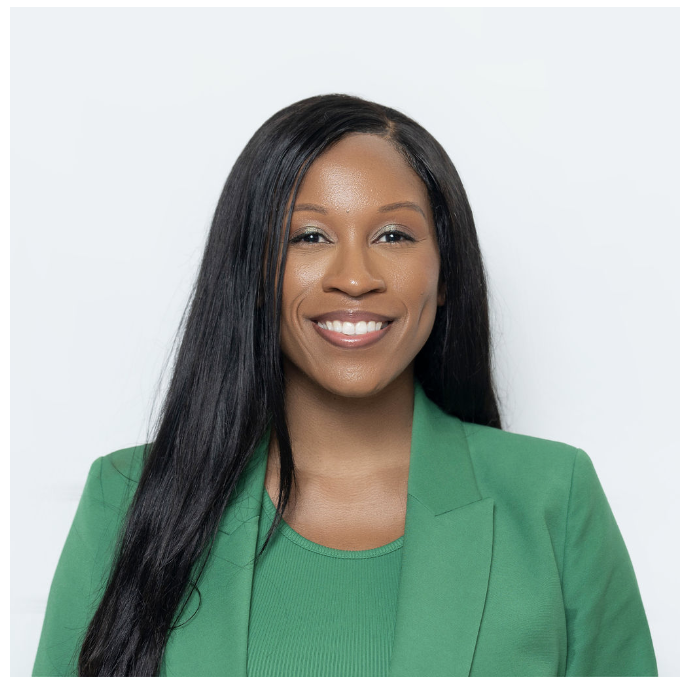
Founder & CEO at Rock Career Development
Julia C. Rock is a sought-after keynote speaker, leadership consultant, and certified executive coach who helps organizations uncomplicate leadership and eliminate burnout at its source.
As Founder & CEO of Rock Career Development, she partners with companies to reduce turnover, reignite engagement, and drive sustainable performance through bold, practical leadership development solutions.
As a former senior finance leader at ExxonMobil whose final portfolio covered $23 billion in operating expenses, Julia brings real-world experience to her work, having led and scaled global teams through change, burnout, and evolving workplace expectations. Over the past two decades, she has coached more than 1,000 professionals and leaders, earning recognition twice as one of Houston’s Top 15 Coaches.
Julia delivers keynotes and leadership experiences for corporations, associations, and universities nationwide, and her work has been featured on platforms including TEDx, Business Insider, and Entrepreneur. Known for her clarity, authenticity, and direct approach, she challenges leaders to stop overcomplicating leadership — and start leading in ways that actually work.
Her forthcoming book, Uncomplicated Leadership, expands on this philosophy, equipping leaders at every level to build cultures that perform whether they are in the room or not. The book will be available for pre-order on May 25, 2026.


