Starting a Podcast While Working Full-Time
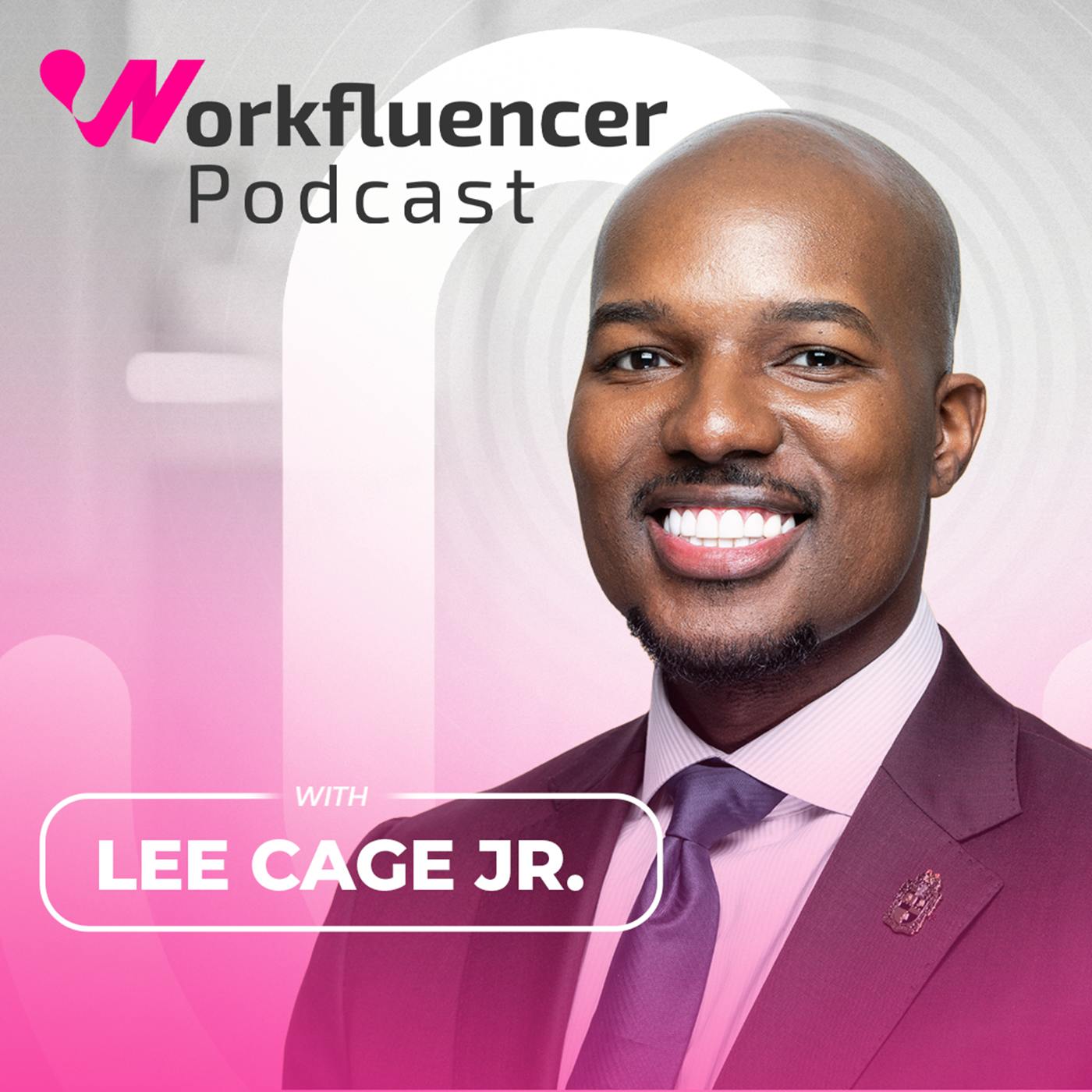



Starting a podcast while working full-time requires a different strategy than the usual “quit and go all in” advice.
In this episode, Lee Cage Jr. shares how he built and monetized a podcast while working full-time as a Director at BDO, serving in the National Guard, and speaking at conferences.
Together, Rhona and Lee break down what it actually takes to start a podcast while employed — from choosing a short-form format to attracting sponsors without obsessing over download numbers.
This conversation covers podcast monetization, corporate visibility, and how to build influence without compromising your career.
If you’re a corporate professional or side-hustler wondering how to start a podcast while working full-time, this episode offers a practical framework.
What You’ll Learn
How to start a podcast while working full-time
Why short-form podcasting can outperform long-form
What sponsors care about beyond downloads
How to think about podcast monetization strategically
The risks and rewards of building a personal brand while employed
Resources Mentioned:
- Listen to 15 min with: https://leecagejr.com/#podcast
- Subscribe to Rhona's Newsletter: https://link.rhonapierce.com/newsletter2
Connect With Us:
- Connect with Lee: https://www.linkedin.com/in/leecage/
- Connect with Rhona: https://www.linkedin.com/in/rhonabarnettpierce/
Want to turn your team into creators?
Visit workfluencermedia.com to learn how we help companies build video-first content systems that attract, engage, and retain talent.
FAQs
Can you start a podcast while working full-time?
Yes. Many professionals start a podcast while working full-time by choosing a format that fits their schedule and focusing on consistency rather than volume. In this episode, Lee Cage Jr. explains how a short-form format made podcasting sustainable alongside a director role, military service, and speaking commitments.
How much time does it take to run a podcast while employed?
The time required depends on the format and production workflow. Short-form interviews, batch recording, and simplified editing can reduce the weekly workload significantly. Many professionals successfully run podcasts while working full-time by focusing on manageable production systems rather than complex content.
How do podcasts make money without large audiences?
Podcast monetization does not always require large download numbers. Many sponsors care more about audience alignment and credibility than scale. This episode explores how brand partnerships, ambassadorships, and conference visibility can create revenue opportunities even for smaller podcasts.
Is it risky to build a personal brand while working a corporate job?
Building a personal brand while employed can carry risks if professional boundaries are unclear. Successful corporate creators focus on protecting confidential information, separating client work from public commentary, and maintaining professionalism in their content. Done thoughtfully, visibility can strengthen rather than harm a career.
What is the best podcast format for professionals with limited time?
Short-form interviews are often the most sustainable podcast format for professionals with limited time. Episodes between 10 and 20 minutes reduce production workload while still delivering valuable insights. This format also respects the attention span of busy audiences and makes consistent publishing easier.
Why are more professionals starting podcasts while keeping their full-time jobs?
Many professionals start podcasts while working full-time to build influence, expand their networks, and create long-term career leverage. A podcast can open opportunities such as speaking engagements, partnerships, and industry visibility without requiring someone to leave their primary role. It allows professionals to build authority while maintaining career stability.
starting a podcast while working full-time, how to start a podcast while employed, build a podcast with a full-time job, podcast monetization strategy, podcast sponsorship strategy, short form podcasting, corporate content creator, personal brand while employed, podcast for professionals, side hustle podcast, creative entrepreneur podcast, influencer workplace advice, podcast growth strategy, leadership podcast interview, workfluencer podcast
Learn more about your ad choices. Visit megaphone.fm/adchoices
Lee Cage (00:00.206)
remember being told, like, nobody wants to hear what you have to say. I've developed my own voice and also been very comfortable with my identity in my voice. I don't have to speak how someone else speaks. I have to be the greatest leakage I can possibly be.
You have a podcast, you speak at conferences, you're building your own podcast studio, and somehow you serve in the National Guard. How do you find the time to do all these things?
I'm helping customers, we're implementing ERPs, we're solving really big problems, we're doing all of the strategic blah blah blah things, but it doesn't always feel like work.
There's like 20 million studios there. Why invest in building your own?
We wanted to create a space that's by us for us, a podcast studio that we can produce quality content that has soundproofing. When I look at like what I want my legacy to be, the best way that I can think of doing that is.
Rhona Pierce (00:57.612)
What makes someone with a full-time director role, National Guard duty, and a newborn look at their calendar and say, yes, I have time to build a media empire? Lee Cage Jr. is making moves most creators wouldn't attempt with half the responsibilities. Today, we're getting into the intention behind every choice and what it takes to build something lasting as a black creator in this space. Lee, welcome to Workfluencer.
Thank you so much for having me. my gosh, I love, you should introduce me for all future things. I love this. Thank you so much.
Amazing. before we get into the podcast and everything that you're building, I want people to know you like outside of your titles and accomplishments. Who is Lee Cage Jr.
I'm a dude from Nashville, music city, which obviously we are more than just country music, but I'm from Nashville. Born and raised on the playground is where I spent most of my days. I spent high school here, I did undergrad here, I'm doing a master's here and also at Emory. But I am just an army guy from Nashville who loves people, loves to, as my grandmother would say, tinkle.
with stuff, fiddle and faddle with things, and I've just fallen in love with all sorts of things along the way.
Rhona Pierce (02:20.558)
Amazing. So I had the pleasure of meeting you recently at evolve in Atlanta and in these past few weeks I've learned that you work full time as a director at BDO. Do you have a podcast? do speak at conferences Taking your show on the road of this year You're building your own podcast studio
I do.
Lee Cage (02:41.473)
I am.
Lee Cage (02:45.547)
We are.
some shows on the horizon and somehow you serve in the National Guard. Like, did you crack the code for extending your day past 24 hours?
No, we all have 24! We all have 24!
Why do you find the time to do all these things?
So let me tell you, okay, this all happened, I would say, in the words of my sister, Nakeisha Hicks, in-purpose accidents. Okay, that's really what it is. I have been in the National Guard for almost 18 years at this point, and it's one week and a month, couple weeks during the summer. They used to call us the weekend warrior. Obviously we're more than that, but it's a limited time. As far as working full-time, I think one of the cool things about being in my particular role is
Lee Cage (03:30.72)
I have a lot of fun. So most of the time it doesn't feel like work. Like I'm doing it, I'm helping customers, we're implementing ERPs, we're solving really big problems, we're doing all of the strategic blah, blah, blah things, but it doesn't always feel like work. And I think particularly because of my level as well as the support that I have internally, it also gives me some opportunities to do what I would like to call like intrapreneurship.
to see something and to solve complex problems when there's not even a playbook for it. As far as the podcast, though, I started the podcast not because I wanted to be a podcaster. I actually did not desire to be a podcaster at all. I started the podcast as a LinkedIn Live that was really meant to help create exposure and awareness for some friends of mine that were laid off. And by way of those conversations, it just evolved.
to, I love that word, evolved to be what it has become now. And what's weird is the first year or so, was virtual. It was just over Zoom, over this, over that, over whatever tools and things that were out there at the time. But last year, I said, OK, you know what? If I'm going to do this, I want to do it in person. And I'm just going to go on the road. So I went to Charlotte, and I went to New York.
did some things here in Nashville. I went to DC, all sorts of places doing 15 minutes with there in the local area with people from that particular area. So this is our second year doing that particular model, which is scary and also exciting at the same time.
No, that's amazing. And we'll get into more of like the details of everything that you're doing. But I wanted to know like, why do you feel it's important to leave your mark on the world in this matter with everything that you're doing?
Lee Cage (05:32.236)
think people will always remember how you made them feel, how you treated them. And I think when I look at what I want my legacy to be, and as most folks at my age are not particularly thinking about legacy, but given my career choices, whether that be the military and otherwise, I'm always thinking about what if I'm not here tomorrow? How do I want people to remember experiencing me?
And the best way that I can think of doing that is by also helping to elevate their voices. Quite often, people don't talk about themselves. Like, they could be doing really cool and wonderful things, but they are not talking about the work that they're doing. And there is this idea that people just arrive at the places that they are, right? And we both know that that's not true. So there's a journey. There's progress. There's things that happen in private that allow you to have that
on stage presence. So that's really what I want to highlight. And that's how I want myself to be remembered.
I love that. Is there anything that you've had to like let go of or say no to?
Every day, okay, every day. I want to be one of those people that wake up on Saturday morning and do nothing, right? Same. That's not my life. I desire to be one of those people that, you know, it's six o'clock in the afternoon and you're like, to do this. Now, granted, I do have a lot of work-life integration, or what they used to call work-life balance, but I like to say work-life integration.
Lee Cage (07:10.124)
And I vacation and I spend time with my new daughter and my spouse and all the things. But I just, sometimes I have to say no to the fun stuff so that I can do the really hard work and focus on legacy building and career goals and aspirations and educational goals as well.
So let's talk a little more about your main show, which is 15 minutes with, and you told us how it started to help your friends and really bring exposure to other people. What's the real, if you had to explain your show in a few lines, in a few seconds, what's it about?
Big ideas, brief conversations, real transformation. That's the main thing, is that you see this person, they are a seasoned leader or someone who's, I like to say, new to school, new to leadership, new to X1Z, you get to spend a few minutes with them while you're on your coffee break, or maybe while you're walking around the building and you're getting outside, or maybe while you're in that 15 minutes of traffic that's just to get you from point A to point B. I think there's certainly
you know, a really cool audience space for a long form. But my desired form is I want to get you in and get you out. I want to give you something that you can use, something that gets you to the meat, you know, to the bone. And then we want to get you out of here.
Do you feel any pressure? Because everyone's like, ooh, long form. Everyone's episodes start getting longer and longer. Do you feel any pressure to do any of that?
Lee Cage (08:44.846)
I believe that if I walk in my lane, everybody else will walk in theirs. And it has worked out really well for us, particularly on the platforms that we're on and with the audience base that we have. It's just to give people, our folks are busy. Yes. Right. They are busy. They're leading organizations. Even the leaders that we bring in, both emerging or existing, they're busy.
They're leading organizations, they're leading work streams, they're leading businesses, they're folks like you who are all over from Oklahoma to Atlanta, wherever, right? You only have so much time. And so do our audience. Like they're trying to get this little bit of information, figure out where they go next, and we want to give it to them as quickly as we can.
Hey, have you subscribed? Let's fix that. It's the easiest way to support this show. So I heard that you're building out a studio right now and like a lot of creators rent studio space or just like record from home and you're in Nashville. There's like 20 million studios there. Why invest in building your own?
We almost have more studios than we have churches. they call Nashville the, you know, they have what's called the Bible Belt, right? I would say Nashville is the buckle of the Bible Belt. On my street alone, if I go a mile this way and a mile the other way, there's probably five churches. Probably just the same amount of studios, right? I think when I look at what we want to do from a content perspective, how we want to influence our podcast community here in Nashville, which
There's a huge podcast community here. We wanted to create a space that's by us for us, not a photography or video studio that we sometimes augment as a podcast studio, but a podcast studio that we can produce quality content that has soundproofing, that has the right lights, that has the right experience, that's actually nearly 24 hours a day open and accessible both to us and to the people in our community.
Lee Cage (10:53.582)
to leverage and to use. wanted to create a space where like, hey, you are new to school and you don't have an editor or someone who can do these things. We can help you capture that and do those sorts of things for you to make sure that you hit your target audience and that you can focus on producing content, not color correction or audio engineering, so forth and so on. So we are...
In the midst of building this studio out, are looking forward to a 4-1. It won't be an April Fool's joke, a 4-1. live, because I'm a tech guy. 4-1, go live. And yeah.
I'm so excited and anyone who's listened to this show knows that I go to Nashville at least once a year because I love breakfast. So maybe I need to spend some extra time and record at the studio later this year.
we'd love to have you. Come on over. Yeah, come on over where the table is spread. Okay, come on over.
No, you know that. Well, you're also taking the show on the road this year, recording in person at events. saw that you're doing a shurm one pretty soon. Some of which, and you're also speaking at these events, which is like wild to do both things. That's a big shift from remote recording. Like what really is driving your decision to like go all in with this in person?
Lee Cage (12:18.766)
mean, again, people are so used to Zoom calls and they're missing, in many cases, the human connection. When COVID happened, we learned how to be self-sufficient in a remote world. But there's something about hugging someone, there's something about sitting with someone, there's something about looking in their eyes when you're together and seeing their posture and seeing how they deliver the message that they're delivering. And we really want to highlight that.
As far as the speaking, some folks would say I'm kind of a technology anthropologist. I love the study of technology. I love how technology impacts the way that we experience work. And most of the conferences, whether it be Evolve or SHRM or Disrupt HR, are all looking at how we experience work. My particular area is the technology portions of how we experience work, how we think about talent acquisition, how we
staff to the projects that impact how we experience work, whether it be through military hiring, whether that be through actually the four things I like to look at. Are we going to build it? Are we going to buy it? Are we going to borrow it? Or are we going to bought it? OK, my four B's, I would call them the B attitudes, right?
But like, are we gonna build it? Are we gonna borrow it? Are we gonna buy it? Are we gonna bought it? And we look in and explore those things. So that's really what's driving me is that human connection. But also there's this appetite from people to tell their story. And so I'm looking forward to doing this in Palm Beach, which is the most horrible place to be. Poor me sitting in the National Guard, right?
Poor you.
Lee Cage (14:06.894)
So I'm looking forward to hosting at Charm, Palm Beach County, but then also delivering a session, a concurrent session on technology, anthropology, and the way of work.
You must be a very organized person because I did that at breakfast, but it was two days. I was like, I'll do podcasting on day one and I spoke on day two. And still I was like, wait, am I even ready for any of these things?
But you know, I you've done this, like, especially for guest interviews, I won't know who's going to be there, right? I'll know the speakers, but I'll kind of have an idea of the types of questions that we will ask and the framework of what we will deliver. But particularly for my, you know, session, I've been rehearsing and studying and doing the things for the last two months, right? You know, you're in the car in traffic.
Yes, I'm listening to a podcast. love yours. I'm listening to talentless podcasts. I'm listening to whatever. But then between that, I'm also saying that talk. I'm listening to myself say that talk so that I understand where my inflection points are and how to lead the audience through the storytelling journey, not just delivering information at them, but bringing them along in that conversation so that they leave with something they can use tomorrow.
Amazing. I can't believe that you're doing like surprise. You don't know who the guests are podcasting. Talk to me about that.
Lee Cage (15:45.866)
Yeah, so, and this really started last year. So I was at, and I've done like Workday Rising for years, right? I've been to a lot of Workday Risings. But last year I had an opportunity to represent DISA, BDO, and Three Link Solutions as a host of their like yacht party. You know, I was, it was so horrible, right? You know, was in such a sailing in San Francisco. It was just.
the most horrible thing. in either case, you don't know who's going to be there. They had hundreds, I think 400 or so people there. So it is working the line as people are going and getting on the yacht. So there's that experience of momentum and excitement that you're trying to have, but then also capturing the moments where people are.
going through the events while they're on the boat and doing those kind of street interviews and those rapid fire questions. I love rapid fire questions. I have a deck of cards that are my own rapid fire questions that I love to ask people and seeing their real reactions. I think there's something about a genuine reaction to those questions that you just cannot replicate any other way.
I love that. And I just got an idea that I'm down for later in this episode. All right. So let's talk monetization, right? How do you think because these things take money? How do you think about making this sustainable? Is that even a goal or is the podcast serving a different purpose for you?
So it's both and, right? So when I first started out, again, it was just to help friends. It was virtual. There was no true expense. When I got to a conference at the tail end of 2023 and people were like, my God, I love your podcast. I'm like, I don't have a podcast. I have a LinkedIn live. I'm just talking to people. And so then I realized I was with my friend, Nicole, and she's, her and I were sitting, we're talking to these folks from a staffing agency and they were like,
Lee Cage (17:52.856)
We'd pay to play. And we're like, would you now? Say more. Right? And so that was the first moment that I realized, wait, there is a market for this. I just have to be in the right rooms and have an opportunity to tell the story of the why. A lot of people get caught up in how many streams and how many downloads and all of the things. And those things are valuable. They are 100 % valuable. But what I like to remind our sponsors of
If I was to go to a conference that had 20,000 people, how many people would I talk to? And of those 100 people, how many of them would remember my name? And of those that remember my name, the guy, what's his name? That guy, right? How many of them would remember where I work or what I do or X, and Z? So by leveraging my podcast and the platform,
to showcase these incredible voices also tied to sponsorships and to things like, what am I wearing? Today I'm wearing an Emory shirt. Now, I don't work for Emory. I am an Emory grad student. But by the way, I'm telling a story that this is something that I value. This is an organization that I believe in. And so when you think about monetization, it can be soft marketing or it can be hard marketing. Like, what are your four Ps? What are your five Cs? Like, all of those things.
traditional marketing concepts definitely apply here. It's just how you tell the story.
Yes, and I love that approach and we had a conversation a few weeks back where you you reminded me of this It's like wait a minute who cares about these like well a lot of people care about this but like the people that I want to partner with the brands that I partner with Have always care known my story. They want to know the why why do you do this? And those have been the best partnerships the ones that are Exactly. It's not about like how many followers how many downloads and
Lee Cage (19:46.83)
leaving you.
Rhona Pierce (19:51.522)
how many views, it's not about that. Obviously they care about that because they want return on their investment. But what they really want is that same draw that they feel to me, they know that other people feel it. So they want me to talk to those people about their projects.
Ambassador, like you become an ambassador for their brand. And yeah, I can be here, you know, in this format. But when you go to a conference, like what bag am I wearing? What suit am I wearing? What jacket or short shirt or sweater am I wearing? And people say, do you work for them? No, I don't work for them. I just love them a lot.
you know what? Now I'm like, you know what? Next conference, I'm gonna ask, like, I usually wear my t-shirt, my Workfluencer podcast, but it's like, you know what? I'm gonna get some t-shirts ahead of time, like, huh, pay me for, to wear your merch there. I can do that.
taking pictures, I'm doing the things like I think so many times we want things to be just the way we want them. I'm reminded of the girl, the young lady who just created the new like Dr. Pepper. Yes. Jingle. Yes. Okay, if this was the traditional way she would have submitted it through x y and z, someone would have reviewed it. That's no longer the way if you want to sponsor if you want someone to do the thing, call them.
Tell them why their world cannot exist without you in there being a brand ambassador. Because what we're seeing from the algorithm is people care more about those genuine moments, not just the super polished, well produced things. So when I go to a conference and someone's like, oh, you went to Emory? Yeah, I went to Emory. And let me tell you about their MBA program for veterans. It's called an MBV. And this person and that person and the guy from Snapchat, he's a Gosweta alum and I met him.
Lee Cage (21:44.276)
Now they're just as excited as I am about the product, right? And now I'm going back to who may not have been a sponsor before to say, hey, look at this video that I did. It got, you know, 4,000 views, but five people messaged me about your product. Five decision makers, five people who care about what I care about, messaged me about the concepts that we talked about from that brief moment.
That's where I think the birthing of sponsorships and alliances and ambassadorship, all of that really, really comes to play.
Yes, and let me do a mini soapbox moment. Brands when that happens, when you get that message of, look what happened. Do not insult us with a here's a affiliate link type of thing.
I'm not clicking that link. And to those that do, kudos to you. I am not clicking that. No, I want something that's for us. last year I spent 75 nights in a hotel.
Of the 75 nights I spent in a hotel, every other weekend literally was at the same hotel in Atlanta for grad school. So I talked to the GM and I'm like, hey, you know, I would love to capture my experience of your hotel. It's not a five star blah, blah, blah hotel, but it is a hotel that I feel safe in. They know my name when I come in the door.
Lee Cage (23:19.0)
The lady at the bar, she's like, you want your usual? I don't know what that's saying about me, but class is hard, okay? Class is hard. Do you want your usual? Your Sierra Mist or your whatever, your Starry and X, Y, and Z, your cookie? I'm like, yeah, that's so great. So now they've created an experience for me. Now I want to showcase that. When I do showcase it, which will be here in a few weeks.
It'll mean more to them. It'll mean more to me. I'm not clicking a link. I'm just doing that. And I hope that they get sales and revenue and all the things from it. But the marketing and the brand story is something that I believe in. I'm going after, side note, I don't know if I should, but I am going after another sponsorship. think about how much we talk, how much podcasters talk. There are things that I think the brands that the products that are for singers.
The products that are for bald guys, love to have the, I call it the bald head, shiny head, okay? I use a particular product to make sure that my head isn't too shiny when I'm on camera. That's the perfect brain partnership, right? So.
Yes, yes, I love this and anyone listening that's thinking on this, don't think of the traditional like, I have to go after these people for brand partnerships. Think of what naturally you would talk to anyone about. Those are the best partnerships out there. So it's Black History Month and I've been talking to black creators and sharing online about like our experiences.
as black creators and as black professionals, when did you realize that your voice, like specifically your voice as a black man was needed in the leadership and tech and HR and TA space?
Lee Cage (25:11.126)
when Ms. Harper from fifth grade told me to stop talking.
Ha, tell me more about that story.
You know, and I wrote about this last year because it's been such a long time, but I was sitting and I remembered.
For so long, especially as a kid, especially in my formative time, I was so like, hey, you asked too many questions. You always got your hand up or something. You always have something to add, one little tidbit. And I remember being told, like, nobody wants to hear what you have to say. On the contrary, my mother was like, no, no, no, no, no, no. We're going to get you in 4-H public speaking.
The church was like, hey, come on up here. You need a mic? We got the mic. We got the mic for you. And out of that, I've developed my own voice and also been very comfortable with my identity in my voice. I don't have to speak how someone else speaks. I don't have to be anybody else. I have to be the greatest leakage I can possibly be. And if I do that, it will draw who it is supposed to draw. I don't need to do extra things for extra likes or click ups or any of those things.
Lee Cage (26:19.714)
Be who you are, everybody else is taken, right? And so I think over the course of my life, whether it's been through making it through basic training, moving into consulting, having clients lean and depend on the words that are coming out of my mouth to make business decisions, which is very, which is weighty and it should be, right? I think that's where I've developed like, hey, I have purpose. I belong in these rooms.
I have a perspective and that perspective deserves to be shared. Now, I also reserve the right to change my mind. Okay. So if I learn something new, if I create or am exposed to something different, I'm entitled and I have the right to change my mind and my perspective, but I'm going to, you don't hear what I got to say. Okay. It's going to be framed up, but it's, it will be said. Yeah.
I love that and shout out to Mrs. Harper. Yeah. we're not. Thank you. you. you.
Thank you. I'm so grateful for her because I, be honest, I, there was a, some things can cause you to go one way. Some things can cause you to go the other. I think in many cases, the decision of where, whether it moves you forward or back is a, it's a self decision. So I use that to say, this is, did she just say, don't have any value? Cause that's what I heard. No value. got it. I'll,
form my entire career, my life around meeting my yearnings and the yearnings of others, bringing value, listening to other people's value and highlighting that, but making sure that I use the voice that was given to me.
Rhona Pierce (28:01.134)
How has being visible as a creator impacted your career?
You know, it's a catch-22, right? And when it's good things, it's good. But, and 95 % of it is good, right? But going back to what's on the record, every time I speak, it's on the record. I have to be very mindful not to overshare specific customer's names or their specific...
journeys because I am in this place to where I am exposed to so much information and data and my job does require me actually quite frankly the same as my military job to keep things confidential and be mindful of the sensitive nature. In some cases I know about things well before organizations employees know about them, Months and years in advance of these implementations. And so with that being said, I have to be mindful of that. So that's the good thing.
The bad thing is when you, and as a creator, know, we do our best to research all of our guests, right? To make sure that our guests are representative of our beliefs and what anchors us in the world. But sometimes people do slip through the cracks, okay? Or there's a perception that they slip through the cracks. So we, had a guest on some time back that someone like reached out and was like, hey,
I don't really like this person. Did they do anything illegal, immoral? Is there something we should know about? Should I turn on CNN? So that too plays a part into who you are as a person and who you then later associate with as well by way of our podcasts and the platforms that we're building.
Rhona Pierce (29:48.334)
Oh my gosh, I've got stories of that because it's true. I have, take the same stance as you do. It's like, okay, did this person do something illegal or do I, I going to be on the news? Because I is like, is a clip from my podcast going to be on the news? Cause of this person. Exactly. Or do you literally just don't like them? Cause there's people who don't like me that like, that doesn't mean I don't deserve to ever go on a podcast ever because someone doesn't like me. Like.
TMZ
Lee Cage (30:17.858)
You know what's funny? like literally, we do our best to try to balance those things, right? Like I try to balance all the things. I actually had a person who I really was hoping that they would be able to join, you know, the podcast and they were like, no, no, no, no, no. I don't like such as such, such as such was on and me and her, we don't get along. I'm like, okay. My feedback. I'm so glad you didn't come on.
Thank you so much for your service. That's not the personality that I want. I want people from all sorts of perspectives, both in systems, both in the way that they see the world, their worldview, who they are, how they identify, their experience. I want all of those things because everyone's voice has substance. It matters. And if I apply the Ms. Harper rule, I'm no different than her. Yeah.
That's so good. So if you've watched the show, you know, towards the end, there's usually a rapid fire segment and I had planned one, but you just told me that you like rapid fires and that you have a card. So I thought, what if we turned the mic around and you do rapid fire for me if you are game for it?
I am so game for this. I have to, let me see here. Where are my cards? I wasn't prepared, but now I feel like they're here. Okay, let's go.
I'm like, did I get myself into? Am I ready?
Lee Cage (31:50.702)
I don't know that you're ready. So let's just hop right into I love turning the tables on somebody else's show. Okay. Let's do this. So if your life was a movie, what would it be called?
My gosh, I'm so bad at movies. What would it be called? F it, let's do it.
See what I'm saying.
Lee Cage (32:12.27)
Yes.
Lee Cage (32:16.524)
If you could go back and tell your younger self something, what would you say?
Hmm.
Rhona Pierce (32:25.526)
You're most likely right, so follow your gut.
Favorite season of the year?
Rhona Pierce (32:33.738)
here in the U.S. fall where I'm from in Panama the summer.
beach vacation or mountain retreat.
beach all day, every day. Yes, I'm from Panama. get to go to the Pacific and the Atlantic in the same day. I'm a beach person.
Really?
Lee Cage (32:54.178)
Yes. All right. So then I'll leave you with one more superpower. Invisibility or flying.
Rhona Pierce (33:02.984)
I have to think about this one because being invisible, you know what? I would use the invisibility to like figure things out that are none of my business. So let me fly. Let me fly and get to places quicker.
Hmm?
Lee Cage (33:23.603)
So you don't want like the Harry Potter invisibility cloak, know?
that's not because I would be like, let me go see what so and so saying. And you know what? It's none of my business.
I would be there. It would be invisibility for me all day long. I'm sitting in the Oval Office like what's happening? I'm in the war room. Okay, I'm visiting with everybody. Okay, so one of the people that's like on my 100, well, let's say top 10 people I'd like to meet in my lifetime is like Ursula Burns. Now she used to be the CEO of Xerox, her husband and her were both at Xerox. She retired her husband.
that she was moving up the ladder. Like, I would just love to see like, what's the life like for Ursula? know, Ursula, what do you do on a Tuesday afternoon or on a Monday morning? Like, what's your jam, Ursula? So that would be like, it would be cool to see the things that, you know, like who people are and yeah.
It would be cool, but I just know myself and I'll be like, I will be like, after I was invisible and got the information that was none of my business, I'll be like, you know what, why were you saying this about me? Why are you doing this? So I need to I just need to fly the world. And like, that would be a dangerous superpower.
Lee Cage (34:44.11)
You have to keep it in, know, pretend like you have a top secret SEI security clearance. You can't tell nobody. It's 123, quiet mouse. It's a lot. It's pressure.
Oh, you see Lee, that's why I'm not in the military or anything. No one's giving me a security clearance because I'll be like, you know, what? What? No, no, no, no, no. I love this. I loved the rapid fire and I guess I wasn't as scary as I thought.
It's not, but you know what's funny? when I, in the first season or so, I did not have like the deck of cards. I would just kind of read them off of hand. And so in the second season, I brung the cards and now more recently, especially because we're together, I will hand the cards off to the guests. So they flip the cards on me, which is always interesting because in the last few like episodes, people have gotten jokers.
So they get to ask me whatever they want. And so I'm like thinking the whole episode, like, I wonder what they're going to ask. Wonder what's coming next. It's a little bit of pressure, but I like it.
This might be a new thing. don't know, future guests, you might need to come ready to ask me some rapid fire questions. So I've really enjoyed this conversation like every conversation I've had with you. What's like, where can listeners find you?
Lee Cage (36:09.568)
Everywhere, Lee Cage Jr. So if you're, you know, now I'm gonna judge the Android people. I don't know how these apps are built on Android. I can't be of service there. But if you're on Apple, podcast, Spotify, Forbes Technology Council, LinkedIn, you put in Lee Cage Jr. It is going to come up. And I want Instagram, TikTok. Now granted, my 16 year old sister is managing my TikTok. They know what to do. They know what to do.
I don't know what to do there. yeah, anywhere, Lee Cage Jr., I want to connect with you. And not only do I want to connect with you, I want to learn about you. On my LinkedIn, I actually have a link that is open to the public that anyone can click and put 15 minutes on my calendar to do like a coffee chat. So last year, more than 40 people clicked that link. 40 strangers from LinkedIn clicked the link. We chatted.
I learned about who they are, what they do, what they believe, how they're conquering the world. And I'd love to do that with you all as well.
Amazing. Thank you so much for being on the show. I will put all of those links in the show notes. And this is a special thing. I also interviewed Lee at the evolve conference and our episode is going live soon on both this feed and the evolve podcast feed. So check that one out. Yes. It's a double dose. So thanks again for being on the show.
Thank you. Listen, Rona, I want to tell you this. In the words of, since you let me do rapid fire, OK, in the words of Tabitha Brown, I hope you have the most amazing day. But even if you can't, I hope you all don't go messing up nobody else's. Thank you for having me.
Rhona Pierce (37:57.374)
Love that. Love that. If you're enjoying the Workfluencer pod, share it with someone who's changing how we talk about work or who should be. And hey, if this episode gave you ideas or inspiration, leave us a five-star review. Reviews help other listeners find us. And honestly, it makes my day. This show is produced by Workfluencer Media. Visit workfluencermedia.com to learn how we help companies build video-first content systems
that attract, engage, and retain qualified talent. That's WorkfluencerMedia.com. Thanks for listening, and I'll chat with you next week.
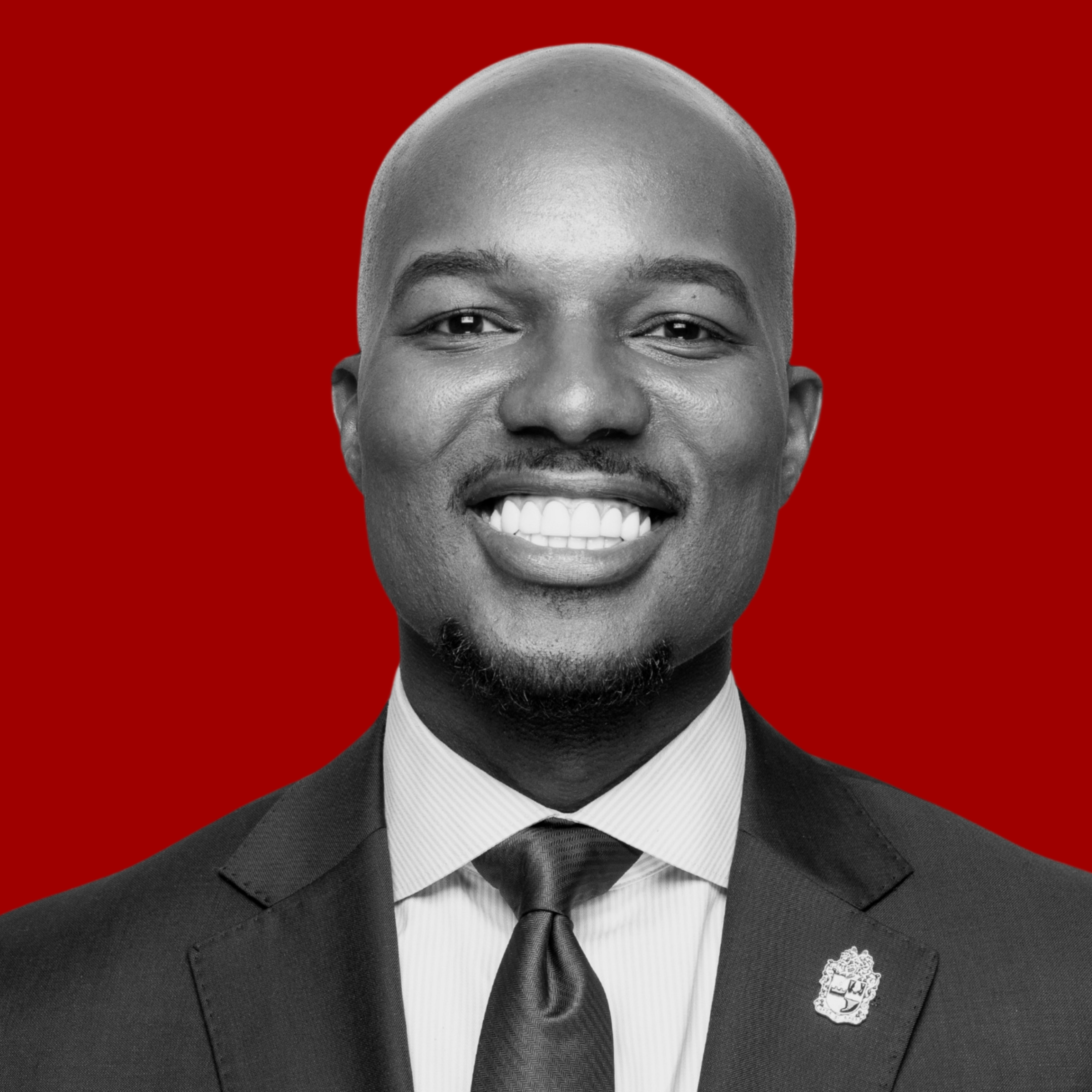
Speaker | Author | Strategist | Soldier
Lee Cage Jr. is a Nashville-based technology strategist and Director of Technology & Transformation at BDO USA. A U.S. Army National Guard veteran, Cage draws on nearly 20 years of experience to help organizations modernize through data-driven strategies and innovative tech solutions. He co-founded Curated Automation, a veteran-owned consultancy recognized for its expertise in workflow automation, and was honored with a 2025 Bronze Stevie® Award for entrepreneurship. Cage is also an accomplished speaker and author, committed to advancing digital transformation across industries. He is currently pursuing his MBA at Emory University’s Goizueta Business School.



