Building a Creator Career After Corporate Layoffs
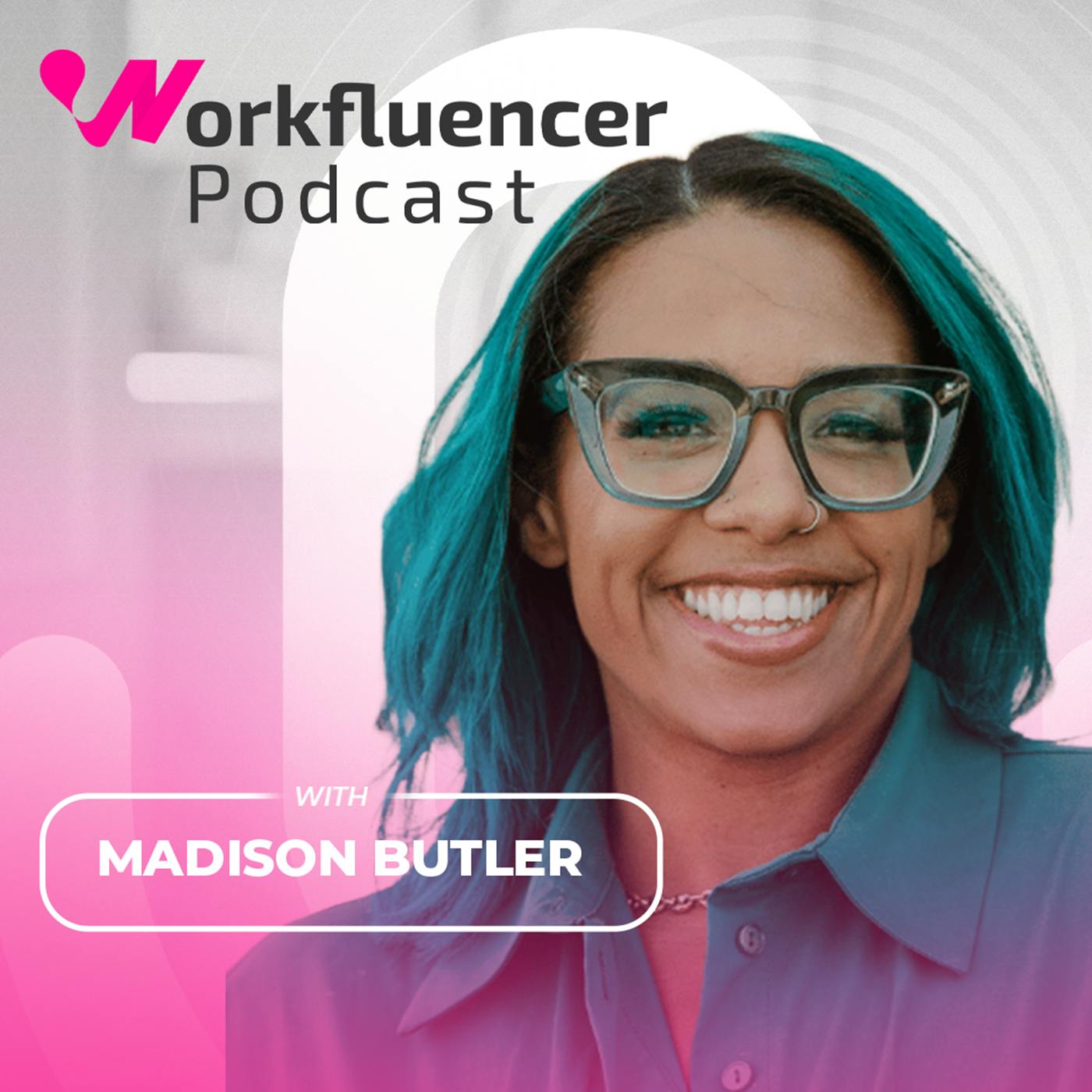
In this episode, Rhona sits down with Madison Butler to unpack what it really means to build a creator career after corporate layoffs—especially when content becomes a financial necessity, not a passion project.


Building a creator career after corporate layoffs comes with pressure most people don’t talk about.
In this episode, Madison Butler breaks down what it really means to build a creator career after corporate when content becomes your income, not your hobby.
Together, Rhona and Madison unpack what happens when professionals—especially Black women—are pushed out of corporate roles and forced to build visibility, stability, and leverage online in real time.
This isn’t about going viral. It’s about survival, grief, monetization, and staying honest when the algorithm doesn’t play fair.
You’ll hear a raw conversation about job loss, biased platforms, parasocial pressure, and why building a creator career after corporate requires a very different mindset than “just post more.”
What You’ll Learn
Why content creation feels different when your income depends on it
The grief that comes with a forced career pivot
How algorithms reward different creators differently
Why a small, loyal audience beats a massive following
The hidden cost of being “authentic” online
How Madison thinks about monetization vs. visibility
Why comparison destroys joy in creator careers
Resources Mentioned:
- Buy Madison's Book: https://amzn.to/4rBrUlY
- Join The Black Speakers Collection: https://blackspeakersco.com/
- Subscribe to Rhona's Newsletter: https://link.rhonapierce.com/newsletter2
Connect With Us:
- Connect with Madison: https://www.linkedin.com/in/bluehairedunicorn/
- Connect with Rhona: https://www.linkedin.com/in/rhonabarnettpierce/
Want to turn your team into creators?
Visit workfluencermedia.com to learn how we help companies build video-first content systems that attract, engage, and retain talent.
FAQs
What does it mean to build a creator career after corporate layoffs?
Building a creator career after corporate layoffs means turning your knowledge, experience, or perspective into content that attracts opportunities. Instead of relying only on a traditional employer, professionals use platforms like LinkedIn, YouTube, or newsletters to build an audience, monetize expertise, and create new income streams through speaking, consulting, products, or partnerships.
Can content creation really replace a corporate career?
Content creation can replace a corporate career for some professionals, but it rarely happens overnight. Most creators build multiple income streams, including consulting, speaking, digital products, brand partnerships, and coaching. The key is focusing on a specific expertise and building an audience that trusts your perspective.
How do professionals start building a creator career after losing a job?
Many professionals begin by sharing insights from their industry, documenting their career experiences, or teaching skills they already use at work. Consistency matters more than going viral. Over time, content helps build credibility, which can lead to speaking engagements, consulting clients, job opportunities, or new business ventures.
Why do some creators struggle to monetize their content?
A large audience doesn’t always equal income. Many creators struggle to monetize because they focus on growth instead of building a clear offer. Sustainable creator careers usually come from selling expertise, services, or products to a smaller group of loyal followers rather than chasing viral reach.
Does building a personal brand help protect your career?
Yes. A personal brand can act as career insurance. When professionals build visibility online, they create opportunities that exist outside a single employer. This visibility can lead to job offers, consulting work, speaking engagements, partnerships, or business opportunities.
What challenges do Black creators face in the creator economy?
Many Black creators experience algorithm bias, harassment, and unequal opportunities in brand partnerships or speaking engagements. This episode discusses how those realities affect visibility, monetization, and safety online, and why building community and ownership of platforms can be critical for long-term sustainability.
Is LinkedIn a good platform for building a creator career?
LinkedIn can be powerful for building authority, especially for professionals in business, HR, recruiting, marketing, and tech. While it’s not always the highest-paying platform directly, it often leads to consulting clients, speaking opportunities, and professional partnerships that generate income.
What’s more important: followers or loyal fans?
A small group of loyal followers is often more valuable than a large audience. Creators who build strong relationships with their audience are more likely to sell products, fill speaking engagements, and attract consulting clients.
creator career, creator economy, content creation career, career after corporate layoffs, leaving corporate, post layoff career, career pivot, building a creator business, monetizing content, professional creators, creator income, content creation as a career, personal brand after layoff, LinkedIn creators, Black creators, Black women in corporate, workplace inequality, algorithm bias, creator burnout, job loss recovery, creator monetization strategies, thought leadership content, workfluencer
Learn more about your ad choices. Visit megaphone.fm/adchoices
Madison Butler (00:00.056)
I tell people all the time is none of us should be solely reliant on our corporate jobs. I've tried to treat my corporate job like fun money and my platform, my business as like, this is how I pay my bills. The video that I got the most racist hate on TikTok was also about pay transparency in black women.
Amazing, amazing.
Rhona Pierce (00:18.67)
people were like, you've never touched this amount of money in your life. I made a lot more than $110,000 at that time. Oh my gosh, that's.
while how many white women swooped into the DEI space in 2020 charging $50,000 for a workshop while black women were like, please just hire me. You're going to hire the white woman because it's more comfortable for your organization. If I write the same content as a white woman, guess what? A white woman is going to hit the algorithm faster. Instead of thinking about how you can blow up and be a giant influencer. And the thing I will tell you is a hundred times better to have a
Yeah.
Rhona Pierce (00:50.958)
In 2025, 600,000 black women were pushed out of corporate America and most can't find their way back in, at least not at the same level they left. So what do you do when the traditional path closes? For a lot of professionals, especially people of color, the answer has become content creation, not as a passion project, as a survival strategy. Today, I'm talking to Madison Butler about what it really means to build a creator career when you've been forced into it.
and how to do it without losing yourself in the process. Madison, welcome to Workfluencer.
Hi, I'm so excited to be here. This is like my favorite topic right now.
I'm excited to have you here. But before we get into it, like for those who haven't met you yet, what's the Madison Butler story in 30 seconds?
My name is Madison Butler. I am an only child, which means I am an over performer by nature. I have spent my entire career in HR, people, ops, and talent, which led me to believe and know that lots of things are broken. And so I spent most of my career thinking about how can we make work suck less. I'm also now a personal trainer. That's new and fun and part of this entire like, do you pivot? That's how you do it.
Rhona Pierce (02:03.15)
Amazing, amazing. What made you start creating content?
So I have been creating content now for 11 years. And honestly, it was someone else. I was in recruiting at the time and someone had said to me like, are you using your LinkedIn? And I was like, no, who does that? And again, this is LinkedIn 11 years ago when like really none of us were using it the way we're using it today. And they had made the point that was like, well, if you're in recruiting, you should use it as a marketing tool. That way candidates come to you. And so I started writing content, but it was like,
not fun, not at all who you would like picture my content today, right? Like was just to build a network and a following. And as I got further into my career, I started really testing the boundaries of what I could put on LinkedIn. And so I started talking about like specifically what was wrong in recruiting, like what was broken and how systems were working for some people and not for others. And what did that mean? And why was it doing that? And I would like do this thing where I would like write what I considered at the time spicy content. I would like type my spicy content, like close my laptop and like go do a dish.
Like the same way if you sent some of the spicy text, you're like, I can't I would do the same thing. And so for me, that was how I started writing content, but I never went into it with like the idea that I would have a mass following. I just wanted to like make my recruiting job a little easier. And here we are today. I think in totality, I have 250,000 followers on like all platforms.
Wow, that's it's so interesting as I do this and I talked to more and more creators how really hardly anyone like had the plan like I want to be a creator. Let me get into this and the evolution of everyone how as you get more and more comfortable, it stops from being like what you everyone thinks you should do to what you really want to do. But
Rhona Pierce (03:56.224)
Like right now, I know that you're also in the middle of a job search. Like how do those two things coexist right now? Like content creation and your job search.
So I think I am really privileged in that I also have my own business, right? So I get to work with clients and most likely clients are coming to me. They know a little bit about me and have an idea of what I'm about. That has definitely proven difficult in like the job market side. And again, like I love my business. I love what I do. I also love health benefits. What do know? And so I've always been completely myself and transparent and real on the internet and I've continued to do that. But I have had the thought like, ooh,
is this costing me opportunity? And so I have the privilege to have that conversation with myself and decide to like stand on business. Not everyone does. But for me, it has been really important, like just for my mental health and like my own business to be about the things I'm about. It would be really weird right now for me to pivot. But I do think like for a lot of black women, that's what people are looking for, right? They're looking for us to be quiet, to be malleable, to like bend ourselves into pretzels just to fit the standard of power.
And unfortunately, that's not going to be me, but it also may be me and that I never work in a corporate space again and I consistently just have to my own business.
Do you think overall that being a creator has helped or hurt your career?
Madison Butler (05:22.616)
Both, both for sure, right? Because again, like I get paid to speak, I get paid to show up places, I got to write a book. There are all of these privileges that come with being a content creator. And there's also a lot of joy. Like I am so fulfilled by being able to help people feel seen through my content. Because there are lots of people who can't get on a soapbox the way I can and say the things I can. But then they message me and they're like, I felt so seen by that thing you said, because I'm experiencing that, I can't talk about it.
So for me, that is a huge win. But on the flip side, right? Like every single job I've ever had, someone has called to be like, have you read Madison Butler's contents? She said she hates 4th of July. Like, so there is that. And so I've always had to preface like going into an organization that, Hey, the internet's a wild place. And no matter what kind of content you create, there are going to be people who love you and people who hate you. And you could literally say the sky is blue and someone is going to find a critique in that. And.
eventually that will make it to somebody's doorstep and you have to decide like what is more important. This person who is a random person on the internet who has taken an opinion that maybe is untrue or me and my work ethic and the work that I do here. So I've been really lucky in feeling like I can describe that to people. But I think that is something worth mentioning is like it literally does not matter what kind of content you create. Somebody on the internet is going to be mad about it. And
That I think is its own bubble because frankly it sucks. Like no matter how much you've detached from needing people to like you, it sucks.
Yeah, of course it's like, it's like a lot of people like to say like, I really don't care. And look, I get it at the end of the day, I really don't care. But it does hurt when someone comes after you because it's like, you don't really know. You don't really know me. You know what I write on the internet. And maybe you didn't understand or maybe or just maybe it is justified. Maybe I did say something shitty that needed to be called out. But I don't like being called out in public. And most people don't either.
Madison Butler (07:28.43)
Well, and then there's the like the weird parasocial relationships that come with it. So everyone thinks they get to have an opinion on what you do. So, for example, I went through like the world's ugliest, messiest, yuckiest breakup at the beginning of last year. I got really lucky. I met someone who was really wonderful and awesome and like exactly what when I went back into the world and manifested someone, I was like, this is the person I want. And I happened to meet them in the same year. And when I tell you people on the Internet were like, why aren't you out like promoting your book? Why are you dating? And I was like, huh?
Leave me alone. It makes me want to close my computer and never open it again. The other parasocial relationship part that's weird is like being seen and recognized in public. Like I was literally walking to a bathroom on a plane. like, again, I'll smell hips wide. I'm already in an uncomfortable predicament trying to get down the aisle and not hit anyone with my butt cheeks. This one like grabs me by my hand and like pulls me into the seat next to her and was like, you're Madison Butler. And I was like,
Wild.
Madison Butler (08:27.246)
I have to pee. And so I think people just feel like they have this access to your life and your person and your bubble, because you share a lot on the internet. But of course, like I share a lot on the internet, but like it's still 10 % of my whole
It's so interesting. That's what people don't understand. It's just a small percentage of what's happening in your life and that you share. Because I mean, we would spend all day sharing if it was all of our life and making no money, because all of us are making money in some other way. So I want to get back a little. A lot of black women right now, content creation is becoming their survival plan.
and I think that's a good thing, but I also think it's, it's a bad, or it can be a challenging thing. you've already been creating, right? Does it.
feel different when you have to create, when it's not an optional thing, when it's like what you have to do to survive.
Yeah, 100%. I mean, there are just some days, and I think it's worse for me specifically in the winter where creating content feels like the worst thing that I possibly have to do all day because it feels like a need now instead of like, when it's not required for survival, right, you should wake up and you like post your silly little videos and you write your silly little content, you're not so worried about am I using the right SEO? Am I saying the right keywords? Is the like text on the on the image correct so that I can pick up the algorithm? There are all of these things you don't think about. And then
Madison Butler (10:02.38)
you spend how much time looking at that like out looking at that view count being like, okay, is this going to hit the algorithm? Do I put money on this? It becomes an entire math equation instead of just something that you do for fun because you're creating content that feels good to you. of course it feels like a job, right? But not in the fun way.
Hey, have you subscribed? Let's fix that. It's the easiest way to support this show. For the people that you've spoken with and even for you, do you think there's any grief associated with like following a path in this case, content creation that wasn't your original plan? Because we're all told go to college or not, but get a corporate job and follow this and work here.
Is there any grief in that? Like, this isn't what I thought I was going to be doing.
Yeah, you know, it's funny, I actually just wrote about this. It's like, for me, I feel like I'm going through this like period of mourning almost, because I had this wonderful career, I made it to C-suite, I'd done all of these really cool things, right? And corporate America has not so silently let so many black women go and to been very clear that it doesn't necessarily want us back. And so there is a giant part of me that is really sad, not only because I put a ton of blood, sweat and tears into that career.
but it was also how I molded my future. I I always knew I would eventually want to just go work for myself and be solo. I didn't necessarily want to do that right now, right? Like this year today, I had a much, I had like a 10 year plan for that, not a 18 month plan. So I think it's completely normal to mourn something that you lost because that's what it is, right? So it's not like we were gifted these careers. As a black woman, it is so much harder to get to where we are because we have to fight tooth and nail.
Madison Butler (11:51.414)
And so to do all that clawing only to have it ripped from you. It's awful. It's heartbreaking. It's terrible. I actually, maybe two or three weeks ago, I was just like, I had a real good cry over it and not because I am so sad to not be in corporate America because there are lots of upsides to that, but it feels like something that was mine was taken from me and that feels unfair. And, you know, I, again, I recognize that I have a lot of privilege in already having a platform.
But God, it still sucks.
Yeah. I hadn't thought about it that way, but yes. what would you tell someone who's like mourning this career that they thought that they'd have while also trying to figure out LinkedIn and content creation?
The same thing I think I would tell people all the time is none of us should be solely reliant on our corporate jobs because again, what they give you they can take away and take away they certainly did. And so this is a great time to figure out what are the things that you are able to do that allow you to and again, I'm not saying like go be a billionaire, right? Like would that be nice? Sure. Would I rather be butt naked on a boat? But I'm not. But what are the things that you can do to sustain your life?
So for me, like the first thing I ever do when I'm in a situation is like, what are my bare minimum needs? And then how do I go figure that out on a monthly cadence? And then from there, I'm thinking about saving and thinking about all the other bougie shit I like to do. But like bare minimum, I'm thinking about how can I sustain that? And that is how I've always been outside of my corporate job. I've tried to treat my corporate job like fun money and my platform, my business as like, this is how I pay my bills. So that way, if the fun money was ever taken from me, I wasn't in a financial like,
Madison Butler (13:37.132)
dire situation, I just like maybe wasn't going on vacation as often. Now, when the coin has already kind of turned for you, I think that is the key is like instead of thinking about how you can blow up and be a giant, you know, influencer. And the thing I will tell you is is a hundred times better to have a hundred fans than a hundred thousand followers. You need a hundred people who will buy your product, whatever that product is, whether it is coaching, it is a journal.
You need to go find your people who are like really about you and not just interested in being a parasocial watcher of your life. Because those people do not pay the bills. And for us to get to a point where we're actually making money on content, let me tell you, get off LinkedIn. You're not making money there. You can be on TikTok. We've all seen the new terms and terms and conditions and all of that stuff. So if you choose to still be on TikTok, that's your prerogative, easiest algorithm to pick up followed by threads.
But in order to like make money on those platforms, it's not an overnight thing. Unless you're maybe a skinny white girl. There's this girl who I saw, I don't know if you've seen her on TikTok, but all she does is she like opens the fridge and she like dances a little and her like open the fridge dance little has 10 million likes. And I'm like, she just opened the fridge. Also YouTube, YouTube pays its creators the most out of any platform.
But what you really want to do is create a monetizable product and then be able to create content around that product or that service, whatever it may be. Because yes, it is really fun and great to do lifestyle content or UCG content, but so much of UCG content requires you to purchase first. Unless you have platform. So my best advice is you are good at what you do. Every person's brain is worth money. There are tons of people out here winging it.
they're absolutely winging, they're consulting, they're charging people 10,000, 15,000, $20,000 and they are winging it. Your turn.
Rhona Pierce (15:35.214)
Love that. turn.
Consulting is simply good marketing and knowing your swim lane. And I think that's the same for content creation is like you, if you have a swim lane, live in that. Don't fall to like what the algorithm is trending. Don't fall to like hashtags, pick the thing that you do and do that.
about something that doesn't get said out loud enough. Have you noticed that the same content gets received differently depending on who posted?
And to even further that, dependent on the platform you are on, if you lean into stereotypes, your content will hit the algorithm faster. If I get on TikTok and I am loud and screamy and angry, I will immediately hit the algorithm. I tend to be pretty chipper, bubbly like this. Not as much. I have to hop on angry and I will hit the algorithm. So again, systems built by biased people will always be biased. And that goes the same for content that
we create. If I write the same content as a white woman, guess what? A white woman is going to hit the algorithm faster because she's more palatable. It's easier for her to say it. When I say it, I'm angry. Go figure.
Rhona Pierce (16:46.85)
When was the first time that you realized that the rules were different for you online?
Gosh. I don't know if it was necessary that I realized it was different. I think I realized the level of protection was different. In 2020, I had someone show up to my house and they had used all of my LinkedIn content. they had, honestly, like I kind of give them props. They made a 45 minute YouTube video about me, which like that takes some work, some effort, but she used all of my LinkedIn content. She is an organizational psychologist on LinkedIn. And when I brought that to LinkedIn, LinkedIn was like, sorry, we can't help you.
And I was like, she sent people to my house. Like she docks me, put my address on the internet. And that was the first time that I really think I thought about how would this have been handled if I wasn't me. And then I think to all of the times that one of the things I find very interesting specifically for TikTok is like, if you talk about racism on TikTok, even if you like screen record a racist interaction that you had on that same platform, they're going to take down your video for racism, but not the video that you screen.
And that happens to me quite frequently. I had my TikTok actually taken down and I got really annoying on LinkedIn until I got it back. But it was because I had like all of these voice memos from this woman in Colorado Springs who was just saying all of this homophobic wild racist stuff in my DMs. And I just played it. I didn't like even say anything. just like played it with like my little face in the corner and they took it down from me bullying her. And I was like, well, what?
Oh my gosh, that's wild. mean, TikTok and I think anyone who's listened to the show knows that I'm, my relationship with TikTok is pretty, hmm, because it was back in 2021, I had the audacity of as a black woman, try to teach people how to negotiate their salaries. And I mean, a lot of people liked it, the algorithm picked up the video.
Rhona Pierce (18:38.806)
A lot of people were mad and there was comments, there was like...
racial slurs, there was all of this, there was all of this. None of those comments got automatically taken down or anything done when I reported them. And that's why I stopped creating on that platform. Cause I'm like, I don't care about the money. You guys don't get to like psychologically, like not protect me as a creator. Cause in most platforms, like YouTube, I wouldn't even see a comment if someone comes and like straight up types out the N word. Like,
TikTok, it just stayed there and it's like, I could delete it, but it's like, also, when a video hits hundreds of thousands of views, it takes, it gets thousands of comments and like the act of just like going there and deleting it, you're still reading it. You're still seeing that. You're still feeling the attack. So yeah, that's a TikTok. Interesting. But yeah, all of these platforms, it's...
It's wild out there, but I can't believe people went to your house. It's like you're not talking about anything that serious.
No, it was because, and I'll stand on this, like I've always said, you should fire the harmful people within your business, right? Whether they're racist, homophobic, transphobic, xenophobic, whatever the thing may be, freedom of speech doesn't actually apply to your private business, right? And so if you are looking to be an organization that is productive, bare minimum, people have to feel safe there. And it is really hard to feel safe when you are being traumatized by the racist in the cubicle next to you. And so that was really the premise of what I said.
Madison Butler (20:18.35)
But it didn't hit so hard in a few communities, clearly. And ironically, the video that I got the most racist hate on TikTok was also about pay transparency in black women.
No, people were like, you've never touched this amount of money in your life. Because I gave an example of how to negotiate. I think it was how to negotiate from 90,000 offer to 110,000 offer. And they're like, you and word have never touched this amount of money. And it's like, I made a lot more than one hundred and ten thousand dollars at that at that time. It's like, if only you guys knew this was literally just an example type of thing. But yeah, it's it's wild what people feel they can say on the Internet.
I always wonder, would you say this to my face? I've even commented like, would you say this to my face? But now I have to rethink that because I don't want anyone coming to my house.
Have you seen that woman? She went viral a couple weeks ago because she found one of her commenters and showed up at his place of work and was like, would you say that to my face? And I was like,
Yeah, but now she's in legal trouble because of course he gets to call. But yeah, it's just it's it's wild out there. Is there a specific time when your content cost you something?
Madison Butler (21:34.7)
Yeah, I mean, there have been tons of times, but I mean, in most recent, I had a speaking engagement taken away from me because I'm pro-Palestine, which again, I'm super cool with. I don't want to work with businesses who don't align with humanity. It is really easy, regardless of whatever is going on in the world around us to like bear a minimum, be like people deserve housing, safety, respect, water, clothes, health care.
Like it is so, easy. And unfortunately we live in a world where like that is a objectively like contrarian statement. And so for me, like I'm okay with that. I'm okay if people don't want to work with me because I care about humans. Like if that bothers you, we're not aligned anyway and you're going to hate my keynote to begin with. But it definitely has cost me, you know, opportunities and money. But I am also a firm believer that all the money I spend comes right back to me.
And the universe has always taken care of me in that way. And so I often find that if someone doesn't want to work with me, it has protected me in some way. And again, like, does it suck to miss out on money? Yeah. But is it better for like my mental health to not work with people who would traumatize me? Probably.
And on the flip side, has your content ever opened a door that you didn't expect?
Yeah, I mean, not that I like think she's great or anything, but I got a her name is going to escape me now. But I randomly got an email from the woman who was the CEO at Facebook, Sheryl Sandberg. Yes. We like randomly emailed me one day and was like, I think your content is wonderful. Here's my personal email if you ever need it. I have never used it because what would I use it?
Madison Butler (23:21.934)
But I think that was pretty cool. also, again, did a keynote a couple years ago and I sat next to the CEO of Amazon and he was like, oh my God, you're the blue haired unicorn. I was like, I know who you are. And someone was like, that's the CEO of Amazon. So that has been pretty cool. But again, it's also like it's open doors for like money, know, recognition is cool. It actually does not pay my mortgage. So being able to raise my speaking fees, being able.
to also coach people on raising their speaking fees. Again, I'm a believer there is enough money out there for everybody to get a bag. Everybody should be able to get a bag. It shouldn't be hinged on if you have a platform or not. But I recognize that that is the world we live in. And so it has opened up the door for me to be able to have speaking fees that are like pretty sizable. And speaking is like one of my favorite things to do. It's like that my like body and brain feel the best doing. So that has been really fun for me. I also got to write a book. Not a great time to write a book as a black woman, but I did do it.
So.
It really, it's a great time, I think, to talk about your book. It's called Let Them See You, What Made You Write It?
So I think one of the pieces of feedback I've gotten my whole career as a content creator, specifically from older black women is how did you figure this out so early? That like you can just be you and that is simply enough. You don't have to turn on your phone voice. You don't have to wear the ugly loafers or straighten your hair till it breaks off and falls out. You can do whatever you want. And I wish I had learned that at 18 or 50.
Madison Butler (24:58.262)
instead of, you know, in my 30s. And so I wanted to really help people understand that in order for the rest of the world to see you, you have to be able to see you. And I think that is actually the hardest part. I spent a lot of time running from giant pieces of myself because I thought I had to be a certain kind of way. And I think we're also conditioned, especially as black women, to believe that you have to be a certain kind of black woman to be deserving of success.
And so in that I held a lot of terrible thoughts about myself. And when you hold terrible thoughts about yourself and your own identity, guess what? You hold them up to people around you. And although we all want to be good humans, good partners, good friends, good coworkers, if we don't unpack those biases, guess what? They come to work with us. They come to on dates with us. They come to the grocery store with us. And as long as you are not a safe place for yourself, you cannot be a safe place for anyone else, which means you have to be willing to confront all of the bullshit. You, there are lots of pieces of me when I look back and like,
Well, wasn't great. But if I'm unwilling to sit down with that version of me and be grateful that she got me here, right, because she was doing what she could with the tools that she had in her toolbox at the time. Wasn't great. Hair didn't look great. But hey, happens to the best of us, right? But what benefit does it have for me to hate her? Instead of just embrace her and be able to move and grow and grow forward. And so for me, that was why I wanted to write the book, because I know that it's not just me that has struggled with.
wanting to put down the heavy things in my backpack, but I've continued to carry them because I felt like I had to. And I want to be a good leader. I want to be a good partner. want to be a good manager. But first, I have to be good to myself.
I like that. I mean, it's so true. In your book, you also talk about like the micro and macro traumas that like impact how you show up. It's really a lot about what the book is about. For black creators specifically, like what are some of those traumas that affect how we create content? It's like, I'm wanting people to like just hear like, and like understand, cause we can say it in some way, but it's like,
Rhona Pierce (27:05.899)
specific example.
So I think the first time that I really realized that I wasn't necessarily okay to continue on with life was everything happening with George Floyd. Up until that point, I had just powered through, right? You hear all of these things on the news, you go to work, you send your silly little emails, send your silly little slacks, join your silly little meetings. And that was the first time that I just felt like I could not get up off my floor to be a functional adult.
In that, I had to think about what does that actually mean? How many of us are just powering through when we actually are in the middle of what is a really traumatic event collectively for us? And then if you zoom out further, how much of just living in America is a traumatic event collectively for all of us? And then pair that with the internet, social media specifically uses our pain as trauma. They use it to drive the algorithm. They use it to make money. I recently saw someone on LinkedIn who is not a black woman.
basically putting together a group of people that would pay her to walk her through the things going on with ICE. And so then not only using it to gain views, but to gain profit. And then how many white women swooped into the DEI space in 2020 charging $50,000 for a workshop while black women were like, please just hire me. Please just stop traumatizing me at work. Please. And so for me, I think that is also
traumatic in its own way because it's proving again and again that our Experiences are worth viewing but they are not worth understanding enough to change they are worth knowing to make money off of But if they change it, how can they continue to make money off us? And for me that's traumatic in itself is to be like I'm talking about this thing I'm over here and I'm like yelling about it and I understand it because it's my lived experience But you're gonna hire the white woman because it's more comfortable for your organization who cannot
Madison Butler (29:01.024)
fathom what it's like to live in a Black
That feels wild to me.
That is wild. That is absolutely wild. I think any of us who've worked a second in corporate America as a not white person have had can have an example of so many of these things. I I love how you shared this like 2020 was this. I don't even know how to say this in English in a way that that makes sense. But it was like, Dei was like
in style. Like it was cool thing. It's like, yeah. And like everyone wanted to be associated with black people, but they were actually the ones making and profiting a lot more money off of it than most of us. like, even in a moment where you're supposedly like embracing and like understanding and listening and learning about our experiences, you're still
somehow making more money than we are and not platforming and bringing us in. mean, that is trauma just right there.
Madison Butler (30:10.424)
Well, and I think that would be my, you know, the thing about 2020 is, yes, I felt like maybe we were headed in the right direction, but not necessarily around DEI, around just like letting people work from home and understanding that like life and work have to coincide because our universes aren't actually work. Work sustains our universe. But I don't actually think the buy-in on DEI was higher. I think capitalism is heavily driven by the political spectrum. And so the way that the political spectrum is leaning is how capitalism leans and that's how businesses lean.
So if they're saying we like black women today, we all like black women today. And if we say we don't like black women today, we don't like black women today. And so we've basically just leaned the other way. And it will continue to do that as long as we are led, unfortunately, by the politics in this country. And regardless of where you stand on that, you have to acknowledge that businesses, the stock market are all heavily reliant.
And so if the things that are being said are like, we don't believe in DEI, DEI is harmful, it's dangerous. Obviously businesses who are here to make money are going to lean away from the things that aren't going to make them money. But when they saw us as tools to make money, guess what? That's why every chief diversity offer was a black woman and they made sure to put her on the website and they made sure she couldn't make any decisions. That's why I had the shortest tenure out of any role in the C-suite because it was a stock photo for websites. It was not a strategic role.
I love how you just say what we're all thinking. just love, I really love that about you and I love that in your content. And it takes a lot of bravery to say these things in public, but it's absolutely true. It needs to be said and people need to hear it. Why should someone listening to this show read your book?
because someone deserves to see you. But again, you can't let other people see you if you don't see you. And I think, again, we are all struggling to have hard conversations with ourselves in the mirror. And until you can sit down next to you and be really real about who you are, you will never be able to share the realist version of you, even with the people closest to you.
Rhona Pierce (32:07.82)
Is there anything that you think listeners should know about either being a creator of your book or anything that we spoke about that I haven't asked you?
I think one of the things that has been really hard to come to terms with is not letting how my content hits impact how I feel about my content or about myself. It is really easy once you start creating content to get on the dopamine train of likes and shares and comments and ooh, they thought my butt looked good. It's really easy to hop on that train. And that train ebbs and flows, right? Like I've been shadow banned on LinkedIn now for like two years. Nobody sees my coffin. I still write it though. It's still there because I write it for me.
And so get in the practice of creating content and writing content for you. Don't write the content that you think everyone wants to see. Write the content, create the content that you want to consume. And then people who are like-minded will find you, but it doesn't mean they find you every time. Do not let yourself feel sad or whatever it is because that video didn't hit or that content didn't hit or someone didn't agree with you. I think it is really easy to get down on yourself.
especially in the world of content, because the minute you start throwing yourself into the world of content, you throw yourself into the game of comparison. And we all know comparison is the thief of joy. But you will see like, my God, that person's creating the same content as me. Why do they have a million views? That girl just opened a fridge. Why does she have a million views? And unfortunately, the algorithm is a science that many of us don't understand. There's actually a really, really interesting documentary on HBO. And it's about this guy who
He just wanted to test the concept of creator life. And so he picked three random people who had no following and did three different methodologies with them to build a following. And he got them all to a million followers, basically just by science, like by doing things and faking it. Like he had a pool at his house and he edited the photos and then tagged this girl at the Four Seasons. And eventually the Four Seasons was like, hey, do you want to do a partnership with us? And so again, I'm big on faking it till you make it. We are all winging it, your turn.
Madison Butler (34:06.638)
You do not have to get it right. Do not spend 9,000 hours critiquing your post. Don't read over that post 97 times before you post it. Just write the post and post it. If there's a spelling error and someone messaged you tell you that there's a spelling error, side eye them. Hard. Be like, well, at least AI didn't write it then, right? That's my favorite thing at this point. I'm like, well, at least you know AI didn't write this because I forgot a comma. So sorry. But I do think it is really easy to get into the world of comparison when you get into social media and content creation.
any capacity and that will rip any joy that there is in this right out of it for you because you will consistently think, well, I'm not as good as them. I'm not as deserving as them. And so you have to put yourself in the mindset of my content deserves to be seen simply because I created it and I want to see it and I'm going to look at it. I rewatch myself all the time. You should see me flipping through my Instagram stories. I'm like, you're so cute, but you have to treat yourself like you are the consumer.
Stop banking on everyone else to feed your dopamine and don't do this for dopamine. Go outside, move your body, touch some grass, look at the sun, not directly, but don't use content creation to dopamine search because you'll come up empty every time.
Yes, I love that. And I've enjoyed this conversation. But if you've ever watched the show, you know, I like to do a fun segment at the end. And I thought we could do Plead the Fifth. So I'm going to ask you three questions. You are allowed to Plead the Fifth only once, but only once. And you don't know what questions coming next. So use it wisely.
Okay, what if I answer all of them?
Rhona Pierce (35:41.474)
then you win. What's the darkest moment of your career that no one knows about?
This is actually the first time I'm going to share this with anyone. So last year, 2025, was not my year. Virtually ran me over. I was in the C-suite at a majority male company, and I had someone who I thought I had been like, we'd been like pretty good friends, but had grown apart as I was in a relationship and whatever. He was not performing in his role, and to save his role accused me of sexual harassment.
and I got a call from attorney and I think I audibly laughed on the phone. was like, girl, I'm black. I have the receipts. But basically I provided all my receipts and I had a lot of them. One that included him saying he wants spit Don Julio in my mouth. Not a great look for him. Either way, I was exonerated because I'm an HR. I know how my role works. after all of that, I had to go back to working with him. Like nothing happened. Nothing happened to him because he is a white presenting male.
And for me, think that was really hard because it had been an organization I had worked at for so long and I loved so much and it just ripped all sense of safety I had because no one even said like, sorry, we put you through that. I did lose 10 pounds in four days. So plus, but it was just something that like it was again, something that I had built and I loved so much was just ripped away from me, like in a matter of hours, simply because no one was like, gosh, he lied. Maybe we should maybe we should look into that part.
Wow, I'm so sorry you went through that. it's just like, wow, companies really need to do better. Because after that, how do you expect you to just go back to like, oops, my bad. Let's, oh, by the way, blah, blah, blah, blah report is due tomorrow. really?
Madison Butler (37:34.062)
Drop in a meeting with him and have a great time and be really nice. Be really friendly, Chipper, because you can't treat him differently because retaliation is legal. But make sure you're really nice. And how do I trust any man in that room at that point? Because it had been talked about amongst everyone and I'm the only woman on leadership. Cool.
while.
Have you ever faked something on camera or online just for the sake of content?
Last week I faked that I was, well not on LinkedIn because that's not appropriate, but on Instagram I faked that I was going to do a glute camp. I don't know if you know this, I have a great butt, but I used to have no butt. And so I faked that I was going to do a glute camp and when you swiped it was how to abolish ice.
Rhona Pierce (38:17.114)
I love that. I love that. Let's see. Which is my next question? I'm like, I'm trying to make it hard. All right. If you could see the analytics of any creators content to prove that they're not as successful as they claim, whose would you pick?
easy, Justin Welsh. Here's my hit.
Rhona Pierce (38:43.799)
Ooh, tell me more, tell me more. I might agree with you on this one.
So he and I were actually in an article together on Vice and it was called the rise of the LinkedIn millionaire. And very honestly, this was like four years ago. He wrote that like he uses AI to generate all his content. And so I'd be really curious because he's at like 80000 followers now, how much he's actually used AI to boost his follower growth and how much it has been paid for versus organically armed and sourced. This isn't shade. I am just I do not think that
For a lot of content creators, you're seeing the real thing. There's another woman whose names escaped me, but she pretends she's an HR and she has like a million followers and she's never talked about anything HR in her life. Has no HR background whatsoever, but has a bajillion followers that are all in HR. So I actually think there are probably some influencers who we've never seen in real life because they're actually just bots. Not just in real life, I've seen him in real life, but I'm just curious about that one.
Mmm.
Rhona Pierce (39:43.854)
All right, you survived Plea the Fifth and you did plead, you did plead at all. So thank you. What's next for you? Like what are you building right now?
Well, I am launching my coaching business. So for most people who know, I do fractional HR. But more importantly, I have always done authenticity and career coaching, which I've never publicized because I'm bad at marketing. And so I don't know if you've seen my newsletter, but it's called the corporate crash out. And so it's going to be called crash out coaching because I have a methodology, which is like either your company is going to work with me to keep you safe or I'm going to work with you to make sure that you can keep yourself safe. And so it will be really centered around
not solving for burnout, but helping you prevent it. And obviously I intentionally got my personal training certification so I can also help people who really want to find micro ways to divest through movement without making movement something you have to resent. Movement doesn't have to be the worst thing you do out of the day. And it doesn't have to be like gross gym talk and BS. And it's really just helping people find and seek joy outside of corporate because again, we can't all quit our jobs and put ourselves in places that are safe, but we
should have ways and methodologies and practices that keep us safe in our own bodies.
Amazing. I'm excited for that. And if you're not subscribed to your newsletter, please do. I am subscribed and it's great. So where can listeners find you?
Madison Butler (41:08.334)
on internet. I'm Madison Amelia B on Instagram, on TikTok, I think on X, I don't really use it. And then I'm Madison Butler on LinkedIn. But if you're just looking for my website, it's Madison Designs Work.
amazing. And we'll add all of those to the show notes. Thank you so much for being on the show.
Thank you so much, this was so fun.
If you're enjoying the Workfluencer pod, share it with someone who's changing how we talk about work or who should be. And hey, if this episode gave you ideas or inspiration, leave us a five-star review. Reviews help other listeners find us. And honestly, it makes my day. This show is produced by Workfluencer Media. Visit workfluencermedia.com to learn how we help companies build video-first content systems that attract, engage, and retain qualified talent.
That's WorkfluencerMedia.com. Thanks for listening and I'll chat with you next week.
Speaker | Author
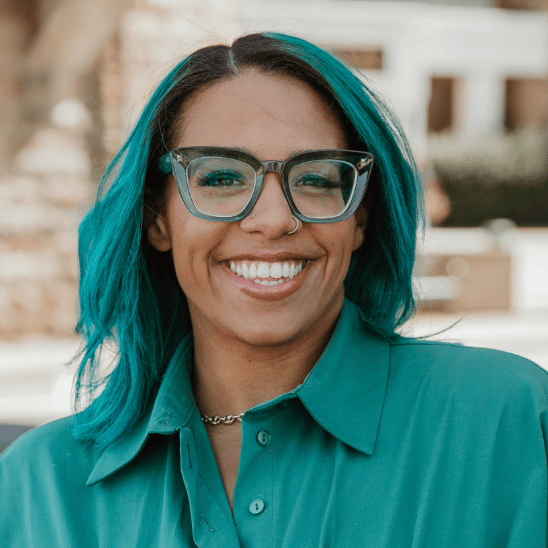
Madison Butler is a keynote speaker, author, fractional consultant, and workplace strategist empowering leaders to create human-first cultures, drive engagement, and lead with authenticity. Madison’s work is focused around creating equitable spaces and creating scalable strategies to achieve psychological safety. She is an outspoken advocate for mental health, removing the stigma around trauma, DEI and the ability to be “human at work.” She is passionate about facilitating hard conversations through storytelling, data and tough empathy.
Madison’s debut book, Let Them See You: Empowering Change Through Authenticity, came out in fall 2025, a guide to driving change and creating space for people to show up fully (and unapologetically).


