Finding Confidence to Create Content Over 40
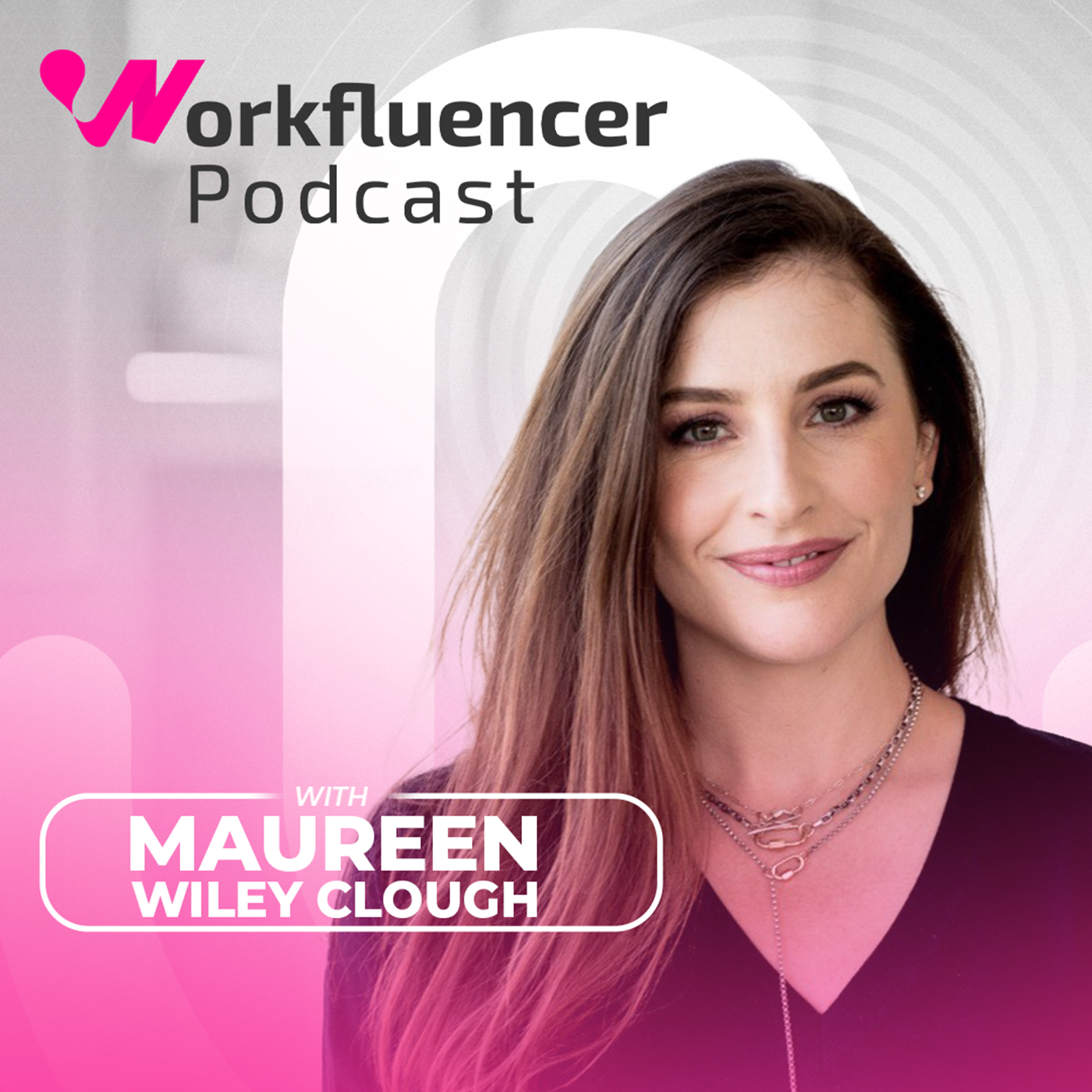



Maureen Wiley-Clough didn’t set out to become a creator. She simply got tired of being called “a dino” in tech — and decided the silence around ageism needed to end. What started as a vulnerable side project became a top-2% podcast, a thriving community, and a message that resonates with anyone who’s felt “too old” to start something new.
In this episode, we get into how Maureen built confidence, hit publish while working in a youth-obsessed industry, and kept going even when no one was watching. We talk about comparison traps, owning your voice, booking big guests before you feel ready, and why your best content usually comes after you stop caring what other people think.
Whether you’re starting a podcast, building a creator presence, or trying to find the courage to show up online, this one hits home.
We cover:
How ageism shaped her creator journey
Starting a podcast while working in tech
Publishing content when you’re scared or unsure
Breaking the comparison loop in the creator economy
Broadening your niche without losing your message
Booking big-name guests early
Turning a podcast into a real business
Why it’s never too late to build influence
If you’re building confidence, building a brand, or building a new chapter — this episode is your sign to begin.
CONNECT WITH US:
- Connect with Maureen: https://www.linkedin.com/in/maureenwclough/
- Check out Maureen's Podcast: https://www.itgetslateearly.com/
- Connect with Rhona: https://www.linkedin.com/in/rhonabarnettpierce/
Want to turn your team into creators?
Visit workfluencermedia.com to learn how we help companies build video-first content systems that attract, engage, and retain talent.
Don't forget to leave us a 5-star Review ⭐️⭐️⭐️⭐️⭐️
💜 Leave a review on Apple Podcasts https://podcasts.apple.com/us/podcast/workfluencer/id1740429498
🟢 Leave a rating on Spotify https://open.spotify.com/show/4R6bJ4JZpqOlFdYelWwsBr
workfluencer, ageism in tech, older workers in tech, creator confidence, content creation tips, start creating content, creator journey, podcast growth, women in tech, midlife career growth, building influence, start a podcast, creator economy, professional creators, creator mindset, finding your voice, content strategy, overcoming fear to create, creator motivation
Learn more about your ad choices. Visit megaphone.fm/adchoices
Maureen Wiley Clough (00:00.094)
And when I was 37, someone called me a dino at work. my gosh, where are all the older people? So I just did it anyway. And I did it scared. I did it when I was not ready at all. And I had, I should have posted this thing like a year prior to when I did, for sure, easily. Some of the biggest advice I give people today is like, go before you're ready. I'm game now. Very few people are going to be watching you at the beginning. And so who cares?
Exactly. There's something real in the creator economy that is growing, which is comparison, right? How do you not lose yourself trying to keep up with what other creators are doing?
And you can't keep up with the Joneses, but I realize, and I believe now more than ever, that the people who make it, they are just the people who don't stop. They're the people who keep going.
Most creators chase trending topics. Maureen Wiley-Clough built a top 2 % podcast by talking about the one thing nobody wanted to discuss, getting older in tech. From finding the courage to name ageism out loud, to landing a brand deal with the nation's largest nonprofit, she's proving that the best content comes from saying what others won't. Maureen, welcome to Workfluencer.
Thank you so much for having me. I'm really excited to be here.
Rhona Pierce (01:15.68)
I'm excited to have you here. for listeners who aren't familiar with you, can you give us like the 30 second elevator pitch?
haven't timed this, keep me honest. I'm Maureen Wiley-Clough. I had been working in the tech industry after a brief stint in broadcast journalism. When I was 37, someone called me a dino at work. I was like, that is so rude. Oh my gosh. Looking around, was like, wait, he's actually not wrong. Oh my gosh, where are all the older people?
We're all getting older every single day. We're living longer and longer, and yet there are only so many places on that career ladder. So how does this math math? And then I realized that this was something that not only I was feeling, but everyone was feeling this sort of up or out sort of pressure about getting to a certain place before they get thrown off the ladder altogether. And so I thought, why is no one talking about this? I'm going to be the person who goes out there and discusses it. And that's when It Gets Late Early was born.
Amazing, amazing. Love that story. I guess as a fellow dino in tech can totally relate. But a lot of people talk about ageism, right? And this did happen. But what made you think like, okay, I absolutely have to talk about this and in a podcast, which is like full blown commitment.
Yeah, it is a commitment. Although plenty of people start them and then just like pod fade or whatever they call it, just ghost it. I thought that the probably the best way to do it was a podcast. I thought that was pretty accessible. I love sort of the democratization to creating media in this form. So I thought, let's just go for it. But, you know, when I started this podcast, it really didn't feel like a lot of people were talking about ageism. It really felt like a taboo topic. And so
Maureen Wiley Clough (03:00.948)
was something that was, it felt really kind of dangerous and I was drawn to it in part for that reason. It just seemed to me like such an own goal. We have this obsession with youth in society. I know I myself have fallen prey to it a hundred percent and it's pushed at us all the while. I mean, my own kids have been like, mom, you're old and I didn't teach them that. And kids as young as four actually spout off harmful ageist stereotypes. So it's something that we are really inculcated with like pretty much since birth, right? So
It's very prevalent in our society and it harms all of us because people have the sense like, if I don't like become some big wig and have like a Tesla or something by 25, who am I? And so it creates the sort of hysteria and speed and just, it's really bad for everybody. And it's particularly bad for women because we are hawked, know, anti-aging creams since, you know, what, the age of like 15 and now 10 year olds are in Sephora. Like, this is a thing. And so I thought like,
I don't want to live in a world where I am told that my value diminishes with every day I go on. That is bullshit and I'm not here for it. And we need to stand up and ensure that we stop the of internalized perspective that we all have. And it really, it is very hard to undo. I'm still struggling with it and I think most people do. So yeah, I just really, thought that...
It was something that should be a part of the conversation, especially because I saw that there wasn't the right kind of representation that there should be demographically within the organizations of which I was a part. And I just thought, let's go, let's do something about it.
Amazing. And it takes a lot of courage to do it while you're working in the industry, especially tech. So like when you first started, what was it like to publish content calling out the industry you were still a part of?
Maureen Wiley Clough (04:46.54)
not very comfortable, I will say. It was very vulnerable for sure. And I recognized very much so that it would potentially be the kiss of death for me in the industry as I believe it very much was. So I do think that starting this podcast while I was employed at a startup that was extremely youth centric and actually had a lot of baked in internalized ageism in the organization itself, I knew that might kind of...
caused some ripples and have some problems for me. And certainly it did. So I was only there for probably three months total. And the second month I was there, I started the podcast. So you can do that math. It was not helpful in my career trajectory at this company. But I really thought it was important enough. And I thought, long as I don't specifically call out this company, maybe it won't be such an issue. And in fact, it could actually help them to have this.
old person at the company talking about this because then of course like the tacit understanding is we're now like all those other tech companies. have the old person at our company performative, know, of course, but it didn't work out that way. So yeah, I knew that I was kind of poking the bear, but to me, I felt like it was important enough to do it. And I also realized I've always figured it out. You know, I've started things from scratch. I've gone into new industries over and over again, and I've always somehow landed on my feet and being older.
I kind of had this self belief and self trust. So I was like, you know what? We're just gonna go out there and, you know, let's hope for the best and, you know, have low expectations, which is the key to life.
I just, want to talk about that. Like how was that first day after you hit publish on that first episode and then going to work?
Maureen Wiley Clough (06:27.69)
Well, just the very act of posting, hey, I'm going to start this thing was so scary, like terrifying. And I remember distinctly, I was at a friend's 50th birthday party in New Orleans and I was like, oh, my first episode comes out tomorrow. I'm going to have to tell people that I'm doing this thing. And hitting post on the announcement on LinkedIn was so spooky. And I remember thinking no one's going to like it. No one's going to care.
you know, maybe this is going to be the most humiliating thing in my entire life. And I did it anyway, because I was like, the worst, the worst outcome would be never knowing what could have been that would have been the biggest regret for me. So I did it. And actually, there was a ton of support. And a lot of people came out of the woodwork and said, this is an issue that I've seen. I or I foresee this happening to me. And I'm so glad you're talking about it. And so that was a really helpful boost.
I really had hoped that I could post that announcement without alerting anyone in my current company. Unfortunately, LinkedIn, and if you're listening, LinkedIn, please create this possibility. You can't do that. You can't actually block certain people from seeing your posts, which is really unfortunate. So I knew that if my boss or anyone in the company was listening, they're watching my feed, they would see it. And so I just chose not to talk about it at work. So it was just kind of this little
this kind of elephant in the room. eventually my then boss did mention it. And she was like, that's so cool. You know, I've never really thought about this before. I'm like, mm hmm. Sure. I'm sure you haven't. Right. Right. Like, but yeah, I just my goal was just to keep it as a side project and sure that it did not interfere with my work so that I could continue, you know, staying employed. So yeah, it was spooky. It was totally spooky. And, you know,
Gosh, I don't think I could have done it any earlier in my life or my career because I simply didn't have the confidence. I didn't have this ability to just go without the perception of what others thought hold me back. So it was pretty liberating all in all.
Rhona Pierce (08:33.9)
I can imagine it. mean, it's just, it's such a vulnerable thing to make, topic to make your content about, especially as you were going through it. How do you handle that pressure?
man. I know I was like, I'm outing myself as old in an industry that like kind of hates old people. Sweet. I guess here we go. Jump on in. I handled it by again, just kind of realizing like I've gotten through other tough stuff in my life. I've gotten through way tougher stuff than this. And even if this thing crashes and burns, I'm going to figure it out. You know, there's this thing called the creator economy. And even if this is the world's worst podcast in five people, including my mom and dad listen to it.
that's going to be okay because I'm going to gain valuable experience that I can then take to another startup that maybe is in the creator space because now I'm a creator, right? So I figured that I would be able to parlay it and morph it into something that would be packaged appropriately to be hired elsewhere. And I'm a people person. figured, you know what, I'll make it happen somehow. So I just did it anyway. And I did it scared. I did it when I was not ready at all. And I had
Trust me, I had hemmed and hawed. I had thought about this. I had analysis paralysis like you wouldn't believe. I should have posted this thing like a year prior to when I did for sure, easily. And I just analyzed everything to the hilt and it was useless. So some of the biggest advice I give people today is like, go before you're ready because you're never gonna hit this specific point in time where you're like, you know what? I'm game now. There's always something to learn. There's always something you could do better. So just put it out there and the reality is,
very few people are gonna be watching you at the beginning. And so who cares?
Rhona Pierce (10:17.134)
Exactly. So if you've made it this far into the episode and you're not subscribed yet, now's a good time. There's something real in the creator economy that is growing, which is comparison, right? And you're building in a space where like everyone's measuring success by metrics, brand deals, speaking gigs. How do you not lose yourself trying to keep up with what other creators are doing?
Man, you can't keep up with the Joneses. When you start entering this fray, mean, there have been so many established people for so long and you simply can't expect the same sort of success out of the gates. I think it's really important for you not to let that hold you back from actually putting stuff out there because the reality is we all start at zero. No one starts with a gazillion people following them. No one starts with brand deals. Everybody has to do the work. And some people certainly can get there faster than others. And that might be
pure talent that might be circumstance, that might be some combination therein most likely. And you just have to recognize everybody's on their own trajectory. it fewer doesn't necessarily or better, excuse me, more doesn't necessarily mean better in some cases too. You need the right people to tune in, right? You don't necessarily need the masses. And so I recognize that my topic, while it does impact literally everyone was taboo enough and new enough and niche enough.
that I might not be able to actually pull massive numbers out of the gate. So I continually reminded myself of that because it would have been really, really easy for me to get down on my luck and feel like I was worthless or this was pathetic or nothing was happening. And I just committed to myself to keep on going because I knew from the get-go that it would be a long game. Now, how long it was going to be, I wasn't quite sure. And I probably wouldn't have been very pumped if you'd told me at the beginning how long it's going to be. But I realized
And I believe now more than ever that the people who make it, quote unquote, they are just the people who don't stop. They're the people who keep going. And so I have committed to be that type of person. And that's what I'm going to do. I'm just going to keep going. But yeah, it is, it is tough not to compare and despair. And comparison is the thief of joy is one of my very favorite sayings and it couldn't be more true. But I think also flipping it into a
Maureen Wiley Clough (12:38.572)
curiosity mindset and a learning mindset is very helpful. So if you see someone out there just like crushing it, get curious, like what is it about their platform? What is it about their message? How do they approach this audience of theirs and learn from that? Don't copy it, but learn from it and draw inspiration from it too. And there's room, there really is room for all of us at the table. like just support one another, be happy for one another. I've made incredible friends in the creator.
space and it's been such a blast and I know I'll continue to meet more new creators over the course of time who are going to be doing really cool new stuff. So yeah, I'm just, I'm psyched to be a part of it. It's really, really fun. And I used to think the only sort of creativity that I had was more or less like writing a work email. So this is better and more on brand for me.
did it take to like see success from when you started?
That's a really good question. It's funny because there's so many different ways you can look at it. I can tell you, I got some early indicators that I was on to something. So for example, it was probably only maybe three months into the podcast when I was approached by someone at Adam Grant's team who did his podcast. I'm totally blanking on the name of his podcast, but it's Adam Grant. You know who Adam Yeah. And his team was like, hey, do you want to do a podcast advertisement swap? And I was like,
I'm sorry, excuse me, you want to roll my ad on Adam Grant's podcast? Like hell yeah, like I am in. And so that was like, okay, Adam Grant doesn't just like put anything on his podcast. So I must be doing like, okay. And so there are things like that. There were certainly like upticks in the number of downloads of the podcast and whatnot. Certainly you could see like my following growing a little bit very slowly. So there were things like that, but it was sort of this
Maureen Wiley Clough (14:32.32)
very... I mean, it didn't happen all in spurts at all. It was just like little proof point here, little proof point there. I asked corporate bro to be on the show. Corporate bro, Ross Pomerantz. He said yes. And I was like, whoa, this must not be a totally sucky topic for him to say, yeah. So things like that. it was little moments that added up to something big along the way.
really a deep sense that like this was important and it needed to be spoken about. And at the end of the day, I know that companies will make more money, create more shareholder value if they employ people across all ages. And so that is the only way we're going to get them to change. And so I figured like, let's, let's really lean into the business case for this so that there can be actual change. Cause we all know they just don't give a shit otherwise. Just reality.
And I love that you frame it that way because it's true. They don't care about anything else. You really have to frame it that way. But I think a big part of why you've been successful, and this is me looking from the outside, is because you believing this so much that you have like, yeah, I'm going to message so and so to be on my podcast. And I think that's kind of like what you have to do as a creator. Just like.
not get intimidated by anyone's numbers or anything like that because I really think that people come on your platform when they really feel that you're doing something that they align with and they feel that you truly believe in it as well.
Yep. And we all start somewhere really seriously. And we're all just people at the end of the day. And a lot of people came to me and they're like, how did you get him to say yes? And I'm like, I asked, like I just asked. If you don't ask, you don't get that's like the reality. And so that was another sort of guiding principle for me is just make the ask the worst thing. The worst thing you could get is a no. That's it. Who cares? Or a no response, which is
Rhona Pierce (16:28.376)
Yeah, exactly. That's literally, think that's... I don't think I've ever been ghost. Well, there's one that I sent a few weeks ago that hasn't replied. So maybe I have been ghosted. But yeah, very few people say no. It's usually like, yeah, let's do it. Let's go. So a lot of people that I talk to when they want to start on their creator journey, they're like, well, but everyone's talking about this. This has already been discussed. And yeah, when you started Ageism,
wasn't discussed as much, at the end of the day, everyone talks about things in tech and stuff like that. How what's your advice for someone who's in that mindset?
I know exactly what that feels like. mean, let's be frank, if I only spoke about ageism, there would be very few followers because that's not exactly a sexy topic. And so I instinctively knew I have to post and be on topic with a lot of different other things that are going on in the space that's relevant to the job seeker, that's relevant to the corporate employee at this current moment, or else no one's going to listen. So I think of it almost as like the Trojan horse, like I'm to be talking about.
return to office mandates and that sort of thing. I'm going to be talking about toxic bosses, that sort of thing. You have to make sure that you broaden your niche enough to actually pull people in. So that's how I thought about it. And all of those topics that I just mentioned, a lot of people have a lot of thoughts on, right? But the reality is, and someone, I can't remember who told me this, but it really stuck with me. It's like, no one has stepped in exactly your shoes. And that is why your voice still matters because
whatever your experiences is unique to you. And so you will have some sort of nuance or some sort of slight variation on the messaging that will likely resonate with someone. And so if you just focus on that aspect of it and stay true to the fact that your story is going to hit with someone that helps a lot. But yeah, it's really tough. Like I remember I'm the kind of person who
Maureen Wiley Clough (18:25.162)
as a creative person with ADHD, I have a lot of ideas. have a lot of different domain names that are just sitting, like 3AM, wake up like, my gosh, I should start this company. It's hilarious. It's like a graveyard of all the people I could have been on GoDaddy. I have so many times gotten tripped up by the, well, this already exists. This kind of SaaS company already exists or this kind of whatever it is already exists. And it's like, dude, there's Coke and Pepsi. You know what I mean? It's like...
there is room in the market for more than one market leader. so there are lot of different ways you can get in there and share your message. So and you're not going to be everybody's cup of tea. Like not everyone's going to like you. And that's another thing you really have to steal yourself about before you start this, because you are going to get haters. And now I look at them and I'm like, if I get haters, it means I'm something right. If I don't actually, it's a it's a bad sign for me. So
You have to be willing, ready and able to hear that. And it's really hard. I'm an elder millennial, eldest daughter. Like I was a people pleaser to my core and I've had to just like shed that to do this. And you know, there's still like a teensy bit of me that's still that. And I'm trying to just completely get it out of here because it really does nothing that holds you back. So everybody's voice matters. Everybody has their own unique perspective. So there's something that you can bring to the table that's not there. Do it.
How do you broaden your niche enough, but still stay true to what your true message is? Because you also don't want to confuse your audience. How do you strike that balance?
That's, that is tough. There are times when I'm like, well, it's my podcast. I can talk about whatever I want. And that is true. But you're right. You don't want to go so off that people are like, what is this really all about? I don't really understand. I think what I try to do is actually just filter everything through the lens of age or generations. So I will talk about, for example, return to office mandates and how they impact people of all different ages. Right. And how
Maureen Wiley Clough (20:26.328)
they are sometimes specifically wielded to cull the workforce of older people. Like I literally have heard AVP say that to my face. So things like that. So, you know, it's that sort of thing. So I try to bring that nuance. But again, every podcast isn't like ageism is bad. You shouldn't be ageist. Let's fight it. That would be so boring. No one would listen to it. So you have to be able to parse through various issues and bring like a different sort of perspective that is
in the realm of your specific topic. Like I think that's that's the key. So just pull that in in some way, or form. Right. Like corporate bro is a comedian who does like parody and satire. So he's not exactly on the money for like ageism in the workplace. But I'm not just going to have, you know, professor after professor talking about ageism. Right. That's not going to be interesting. So it's bringing in a variety of people who have something else to say and in whom the audience can see themselves in some way, shape or form.
What's been your favorite interview?
Oh, that's like picking a favorite kid. know, it's like, oh, I like different ones for different reasons. You know, I will say, I will point you to the episode that I did with Dan Lyons as one of my favorites because Dan Lyons, the New York Times bestselling author, he wrote, disrupted my misadventure in the startup bubble, which was all about joining a tech startup at the ripe old age of 52 and the hilarity that ensued. Dan is an incredible writer. He wrote, I believe it was for Newsweek.
He was a tech reporter on the Techbeat for many years and then was like, you know, I'm to get in on this Silicon Valley thing. Lots of people getting rich over here. Why not me? Right. And so he wrote this book all about that adventure and it was absolutely hysterical. And the reason I'm referencing that one is not only... He also, by the way, wrote for Silicon Valley, HBO Silicon Valley, which is my all-time favorite show. So he's hysterical. But so the reason I in part decided to do this podcast was I realized
Maureen Wiley Clough (22:26.956)
Here's Dan Lyons who wrote this book like totally ripping tech to shreds. Guess where he works? DocuSign. know, he still got a job after like this whole novel that he wrote. It wasn't a novel, it was nonfiction. But he wrote this entire book about it and he still landed. So I'm like, that gives me hope that I can talk about ageism openly and still find a corporate off ramp if that's what I need to do. So.
I'll reference that one because it really hit the nail on the head for me in terms of giving me sort of the go ahead to do this. So he gave me the green light in many ways. So shout out, shout out Dan Lyons. He's the man.
What a great story. And yeah, part of podcasting is you like learn so many things about people that like are so surprising. I think it's one of the reasons why I personally love it. Tell me about a moment. Tell me about it. I know it's like, it's one of the reasons why I love it. Huge sigh.
This is the best.
Rhona Pierce (23:26.882)
But yeah, I do. absolutely do love it. You meet amazing people. You learn things like you can plan an interview and you think it's going to go one way. And I learned that very quickly. Like it's not going to go however you think it is.
No, no, you're so right. And sometimes the people who you think are going to crush it as interviewees like have an off day and you're like, okay. Well, I was expecting it to be like this. Yeah. have to, you have to learn how to roll with the punches there.
Tell me a little bit about that because I've had those moments where someone who's like so amazing and you've seen them and everything and maybe they were just having an off day or maybe I know what I think my brain starts saying, my gosh, I'm a terrible interviewer. I don't know how to get the best out of this person.
my gosh. I know exactly what you mean. And that internal self-talk is actually one of the hardest things for me to banish because I can't tell you how many times I've been interviewing someone thinking to myself, you suck at this. You're so bad. This interview is not going the way it should. It's all your fault. These questions are lame. Like all of that. And it's so unhelpful. And then I will go later and listen to it and I'll be like, it wasn't half bad actually. Like, what's my problem? Like, why do I do this to myself? I'm like sabotaging myself in the middle of my own interview. It's ridiculous.
So I've learned to like lessen that little internal voice because it has been so blaring. But yeah, it's challenging. I would say, yeah, I've had some experiences where it's like, I don't think the person really wanted to be there. And I'm like, why did you say yes to this if you're coming with this energy? Like you don't have to be here, right? Like you could have said no or ghosted me or something and you're here. So it's something that I...
Maureen Wiley Clough (25:12.608)
remember always when I'm showing up to interview with someone, it's like, I said yes to this, I'm going to give my best. So even if I'm having a bad day, you're going to get the best I'm capable of that day. Right. So I've had that experience and I've also had the experience and these names will definitely go unnamed, but I've had an experience where it's like I've invited an academic who's incredible, like wonderfully smart, brilliant, et cetera. It doesn't translate over the podcast medium. And it's like, Ooh, I probably should.
do just like a review of the book instead of inviting that guest, right? Like I should do a solo episode. Solo episodes are great. There's a reason for them, right? So I learned, I guess, that not everybody should be a podcast guest, even if they are the subject matter expert. They have to be entertaining too, right? Because, you know, everybody's busy. You're not going to spend time on your podcast if it's boring.
How do you vet your guess? guess that sounds weird, but that's the word.
No. Yeah, no, seriously. I would say I've gotten better about looking to see if they've been on other shows or if they have other sort of social clips or something that shows them speaking because if they don't that I won't say that I won't do it, but it does give me a little bit more pause before I jump on it. It's just I'd like to see some sort of a track record. Sometimes people don't have them and their stories are so compelling and it doesn't matter and I bring them on anyway. But it is helpful if you've seen that they have done this sort of
an exchange with someone in the past. That is super helpful. I'll say that.
Rhona Pierce (26:42.062)
What do you know now about creating content that you wish you'd known when you started?
that it's a hamster wheel and a half, man. It is like non-stop. It's like, what's next? And it's like, goodness, there's no break. There's no rest. Like, you always have to keep going. And I think that's been challenging for me. I'm an empath. 2025 has not been easy for me, full stop. And trying to come up with what is in most cases, extremely banal, like not important in the face of what's going on and putting it out there in the world. Like, it feels so weird to me being like,
Hey, I know the world's burning, but here's this short video of me talking about something or like, here's a joke that I put on social media, you know? So that's been hard for me. So there've been times when I've kind of had to intentionally be like, you know what? Not today. Like I'm not in the head space. It doesn't feel right. But man, I do that every day this year if I thought that way. So I'm trying to get out of my own way. And I work with a social media consultant. He's freaking fantastic. He's a
28 year old dude named Eric Cruz, I adore him. I jokingly refer to him as my therapist often. And he's always like, gotta put it out there Maureen can't be worried about what's happening in the world. You gotta keep going. I'm like, damn it, he's right. So I do think that the hardest part is just the constant need to put new stuff out there. You can't like ride on whatever, cause there's always the next week's episode or, by the way, I only publish every other week.
That has been a saving grace for me personally. Because I'm not as dutiful and organized as some one I know who crushes it. I am a little bit like fly by the seat of my pants. So I need to work on that. But yeah.
Rhona Pierce (28:29.902)
I totally get what you mean. Cause again, 2025 and 2024, actually anything from 2020 till now. When I decided to take content creation seriously, by the way, has been hard. it's like, okay, do I post this today? But you have to be like, well, every day.
Yes, good point.
Maureen Wiley Clough (28:49.582)
There's something happening. Every damn day.
As long as what I'm going to post isn't going to be offensive, Given the news, then okay, yes, it needs to go out there because also people want distractions. That's what I tell myself.
Given the news,
Maureen Wiley Clough (29:09.742)
So true. They do. We need a distraction from this world. so, yeah, sometimes I feel like humorous, light content is the way to go. And it does matter. mean, I think people gravitate towards that right now.
And I'm looking at numbers and everything on those days when everyone's talking about the latest BS. And there's an episode of like, check out this workfluencer, blah, blah. Those do great because you know what? Someone just wanted to not hear about the BS. That's like, I know.
Yep, a little break here and there is helpful. I agree.
I disassociate with part-
Oh my gosh, so useful, so useful.
Rhona Pierce (29:54.08)
So something else I wanted to ask you about was really a lot of people think that it's too late to start creating content. They see all the young people out there. What would you say to that?
Well, first of all, yeah, I do wish I could go back in time and during the height of COVID, like start off this, that would be rad. Unfortunately, that is not possible. I think that we need creators of all ages, period, end of story. And right now there are far too few of them over the age of 40. I think the time creator list had like Mel Robbins and maybe, I don't know, like Joe Rogan on there who were over 40. It was a very, very small representation.
Your story matters and you have the gift of having seen a lot of stuff happen in your life and that all has value. Your experience has value. You've seen some shit and you can make sense of what you've gone through and help give back to people who maybe haven't gone through it yet. So I think the gift of getting older is that you really do give fewer F's. Like I'm still working on shedding like all of them. I still have like the teeniest bit, but I jokingly refer to these as my no F sporties. I don't know if I can swear on this show, so I'm just not.
Okay. But so with time, you sort of realize that you are who you are and you grow the sense of self-confidence that you don't often have when you're younger. Although I will say a lot of people younger seem to have like an incredible amount of self-confidence. And I'm like, damn, it's it's really amazing. It's it's something that I aspire to, frankly. So perhaps this is changing and hats off to Gen Z and anyone who like embodies that. But I
I just feel like as I've gotten older, I've only gotten better and I've only become more more fully myself and more and more sure of myself. And so I think that those attributes make you a better creator for sure. And it gives you sort of this right to take up space that especially I think women as we're growing up, we're told to take like literally and physically smaller space. it's a thing.
Maureen Wiley Clough (32:02.35)
And so learning to grow into it and step into it and own it is something that I think is super valuable to show others. And so I want to see people who are older than I am doing this creator thing. And there are some who are doing it and doing it beautifully. And so there's room for everybody. I think it's never too late and you get to choose when you're in your prime. don't let someone else tell you when your prime was. I think increasingly we're seeing more and more representation of older people.
even on the silver screen in television shows. And believe it or not, that shit matters. you know, keep showing up and get out there. Never too late.
It's really one of the reasons why I wanted to have this conversation with you. As I looked through my metrics and my analytics for my show, especially on YouTube, I'm thinking, okay, the people on YouTube that are gonna be watching this are like 25 to 35. No, my main audience on YouTube is in that bucket of over 35 and even in the 55 bucket. And I was like, oh, and my show is about being a creator. So it's like.
Come on people, we need more of these voices out there. You're clearly interested. I spoke to someone recently who said, but I'm a mom. I'm gonna be a grandma soon. I don't wanna be cringe like the kids say. How do you turn off that voice?
Oh man, I know that I have probably made so many people who act, especially those who know me in real life or know me professionally, I'm sure I've made them a cringe. They're like, dude, this is weird. And they're cringing mostly because they don't know you in that realm, right? Like it's new and different. I love that when I meet people now today who haven't known my past, that they just accept me at face value. It's awesome. And
Maureen Wiley Clough (33:51.276)
The reality is like, you're probably, if you take this step and become a creator, and I don't know if this is the case for you, but like for a lot of people that I've spoken with, your biggest supporters are the people you'd least expect. Like sometimes literal strangers on the internet have more compassion and more support for you than your nearest and dearest. And it's not because the people in your life don't love you, they certainly do, but this touches on a nerve of theirs that is very uncomfortable because it's going against the grain. It's going against conventional wisdom. Get a job, stay in corporate, play it safe.
climb the ladder, all of that, all of that wisdom that is no longer in my view as iron proof, right? Or bulletproof as advice goes. And so this is something that sort of picks away at people's sense of what they've done with their own lives, right? And I'm not faulting them at all. I've done the same exact thing for a long time, but I think this makes people deeply uncomfortable. I think they would root for you were it not for their own.
preconceived notions about what it is, their own unfamiliarity with it. Like my parents were like, what are you doing? And it wasn't until I was covered in Forbes that they were like, we get like, that was the only moment they were like, yeah, we get this. It's just, it's different and it's a new world and we still don't know exactly how it's going to unfold and especially add AI into that. And it's just, it's a whole new world order. So you're gonna
you're gonna be cringe. mean, there's sometimes when I see something that I've posted, I'm like, I hate this. But like, you have to just go and Eric, my social media consultant, who's like, I jokingly refer to him as my therapist, he's 28 year old man. He said to me something that really stuck. He said, hey, Maureen, everyone's cringe until you make it. And then people will be like, I knew her and known her the whole time. She's awesome. You know, they're gonna pretend they've been with you the whole time. Everyone's cringe until they make it. And it's true.
And then another thing that I heard that was really impactful for me was, I wish I could remember who said this, but it was someone on Instagram and she was this creator and she was older and she said, don't be afraid to get caught trying. And I was like, oh, that's so good because I don't know what it is about human nature. It's embarrassing to be like, I'm trying this thing. Hey, here we go. know, putting yourself out there super, super vulnerable, especially when you don't have
Maureen Wiley Clough (36:11.328)
numbers or whatever to back it up. It's like, Hey, I'm trying to think, Hey, over here. And she's like, No, freaking don't be afraid of it. And I love that advice. And I think everybody should take it. And the reality is people will judge you. But if you don't want their life, who cares? Who cares what they think? You should care what you think about you. That's the most important thing.
Exactly, and I won't name exactly who in my family asked me, but I've gotten the whole, so when people ask me, am I supposed to say that you're an influencer?
I word, yeah.
I don't know how you need to introduce me. That's not a me problem. But yeah, these are the questions that people will have for you. And then that same person randomly sees a clip of yours on social media and they're like, my gosh, you are so good at this.
You figure it out.
Maureen Wiley Clough (37:08.588)
Yep, that will happen. So put yourself in a position for it to happen and give yourself permission to like have some people think what on earth is he or she doing, whatever, right? It's just, you can get through it.
And find yourself some internet friends because there's no one more supportive than a stranger that you've never met on the internet. They can also be haters, but the people that are going to support you are usually people you've never met.
It's so true, especially at the beginning. Later when you've totally quote made it, all your friends are gonna be like, yeah, yeah, yeah, besties, right? it's a funny thing about human nature, but I think everybody's doing the best they can. And it is confusing, frankly, this is a new sort of economy and it's hard to describe, especially if you're not even anywhere adjacent to it. just, yeah, lead with grace people. People are doing the best they can.
high school with
Rhona Pierce (38:03.5)
What do I want to ask you next? I think like we've covered so much. Yeah. But there's always a lot of people who tell me that they want to start a podcast. Let's do the opposite of giving them like, yay, cheerleader. Why should someone not start a podcast?
If you don't have something really important to say that really riles you up, don't start a podcast. If this is a vanity project for you, don't start a podcast. If you can't see some way, or form to make this into a business, don't start a podcast unless you just want to hobby, in which case rock on. But don't start a podcast unless you are bringing something different to the equation. There are freaking gazillion podcasts out there.
And frankly, we don't need all of them and a lot of them get abandoned. So if you have something important to say or you have sort of a unique way of saying it, maybe a new format, like, for example, I know this is a funny example, but like hot ones, that's a funny premise of a show that's unique. Right. Like if you have some that running podcast, I totally forget what it is called. But the one where the woman interviews people running, that's a unique premise. Like, that's cool. That'll get people talking. So if you don't have something like that.
or you don't have something that really truly matters to you that you can talk about day in, day out and not like get bored by it, don't start a podcast. And don't start a podcast if you want to make money tomorrow. Don't. Because unless you're Joe Rogan or Mel Robbins, you are not making a lot of money on your podcast. So it has to be like ancillary services or something that kind of goes hand in hand. Your podcast in and of itself is unlikely to make you much money.
Yeah. I think you've seen my content and that's I have a different approach or different take on that. think my podcast does make me money, but not in the ways that people think it does. How long like, well, take us back to like, because it's important for it to be a business. How long did it take for that to click with you? Like, OK, this is how I'm going to make it a business.
Maureen Wiley Clough (40:06.894)
Yes.
Maureen Wiley Clough (40:14.058)
It took me, it's probably a year actually, probably a year. And it was at that point where AARP approached me and said, we want to partner with you. And I was like, wait, what? This is so cool, right? Like that was the moment where was like, okay. And then I started growing a lot on LinkedIn and having tons and tons of impressions. And I was like, there's potential to expand into brand partnerships and that sort of thing as well. So it was that and...
Yeah, that was about a year in. So it was not immediate. And I had, as I mentioned, intended for this to be a side hustle that was propped up by my day job. That didn't happen. And I had the privilege, we'll take the silver lining there. I could go full time on my podcast after that happened. So it was not overnight. I think if I had better systems in place and if I were more methodical about things, it probably could have happened sooner.
And I still don't do a great job pitching myself, honestly. I need to be doing a whole hell of a lot more of it. But it took about a year until that presented itself and I was like, this is like real. And it's plausible that I could make this into a full-time situation.
I think it's really cool when your first brand partner comes to you other than when you're out there pitching. I mean, I hate pitching, so maybe this is why I think this. But it's like, they are seeing how aligned, like they're like, oh, I need to advertise on this podcast because I align with it. Like, aren't those conversations so much easier than when you're out there trying to convince people?
Amazing. Yeah, absolutely. And I'm also a big proponent of sort of the in real life events. I believe that with the advent of AI, in real life connection is going to become even more important. And so these curated events, these in-person meetups, those are going to be critical, I think, moving forward. So podcasters and content creators have a really great opportunity to
Maureen Wiley Clough (42:18.158)
pull that in to their deals with these other brands. so, you know, the work that I did with AARP wasn't like, let's put an ad on your podcast. was, let's get your audience together for an in-person engagement and we'll sponsor it. Right. And so I think we'll continue to see that. think an increasing number of,
HR and tech conferences are bringing creators in either at the booth where they're actually doing podcast interviews live or as sort of like on the feet on the street interviewers, that sort of thing like that is coming alive. And I think we're only going to see that blow up more. So I am very bullish on anything in real life. And so that's something that I think is really untapped for people like you and me.
and we're going to see more and more of it. Because I think people are really, I mean, you mentioned 2020, man, I saw PTSD from 2020. It's still weird to walk into a conference hall and be like, oh my God, what is going on with all these people? And I'm like a really big people person and it's still weird. But I think people are hungry for that connection after so much distance between us. And I think that there's really a huge opportunity for content creators to just go in there and crush it.
And you can't be replaced by AI until like they do AI holograms of people or something. I mean, so that's another helpful component of it.
You can't be replaced by AI until because you need to use your creativity. you're doing, okay, now we're doing in-person events. And if everyone does the exact same thing, if you go to a conference now, everyone has a podcaster at their booth. Okay, guys, let's, what can you do to take it a step further? And maybe these brands aren't going to come up with that, but you're a creator. You know, your audience have that creativity and like offer suggestions.
Rhona Pierce (43:59.97)
The worst they can say is no. If they're going to work with you, they're going to work with you already. So.
Exactly. So yeah, I think we need to broaden our perspective on what it means to have your podcast make money. You're absolutely right. And it's not just like someone running an ad on your podcast. That's unlikely to make you tons or enough for you to get by on. It's all the different sort of associated things with your audience that are possible to create revenue on.
So, if you've ever watched the show, you know there's always a segment at the end.
I'm scared for this.
I actually think I was like I think this is a it's gonna be an easy one. Let's see. Okay, so this segment is one of my favorite It's plea to the fifth. I'll ask you three questions You won't know which question comes next You can plead the fifth only once But you have to answer the rest. Are you ready?
Maureen Wiley Clough (44:53.787)
Choose wisely. Okay, yeah, I'm as ready as I'm gonna be, I'll say that.
All right, what's a trend that you secretly hated, but you did anyway?
Maureen Wiley Clough (45:07.31)
I hated those trends where there's a talk track, right? I'm talking social media specifically. There's some sort of talk track, like it's some sort of clip from a show that frankly I probably didn't watch because I never had time to watch stuff. But it's like you mouth, you mime the actual words coming out and then you do something that's related to your particular niche. I very much dislike that and yet.
have done it more than once because it's just a thing people do. And if you can't beat them, join them and donate the player, hit the game, you
Have you ever turned down or ghosted a guest because you thought they weren't interesting enough?
Oh, how about too interesting? Can I answer that? Someone who's too interesting? Yeah. Is that all right? Tell me more. I got an unsolicited podcast guest pitch from a woman who described herself as a goddess who could be the next influencer for the over 50 boomer set. I think she also referred to herself as a genius. And then she added, and I look great naked.
There we
Maureen Wiley Clough (46:19.02)
And I was like, hmm. And then she closed her pitch to me to be on my show with saying, hey, you say like too much, please stop. I was like, what the hell is going on with this person? Like, I'm morbidly curious what she would be like as a guest. So like part of me wants to be like, sure, you're on. And the funny part was the rest of her pitch was like actually pretty spot on. But then she closed with this like unhinged paragraph where I was like,
No. And then she dissed me at the end. It's like, what is your deal, lady? No.
I would be so petty. What did you say? Did you reply or did you
I said nothing. I said nothing, but I did post about it on threads and I'm sure I'll put it on LinkedIn at some point because it's just too funny. I'm like, wow, people, dang, like pull it together. This is bizarre.
so petty I would have invited her and said like like like like like like like that would have been the only word out of my mouth.
Maureen Wiley Clough (47:21.198)
It's it's full of humor. You should try it sometime.
Last one, have you ever faked something on camera just for the sake of content?
Maureen Wiley Clough (47:34.414)
I mean...
Maureen Wiley Clough (47:38.068)
I'm sure, I can't think of a specific point, but I'm sure I've laughed a little harder than I should at something someone said. Like almost to just like make them feel better. But I'm trying to think, there anything, nothing is coming to mind. So yeah, sorry, that's kind of a weak answer for you, but hey, do I get a special prize? Cause I didn't play the fifth.
Yeah, don't know what the prize is, everyone asks me that. It's like, okay, you didn't play the fifth. Who knows? Who knows? I'm seeing you at breakfast, so who knows what the prize is.
That's that's true. Yes, I'm so excited to see you.
Yes, me too. So this has been an amazing conversation. Where can listeners connect with you if they want to?
So can find me on LinkedIn. little handle is Maureen W. Clough. So can find me there. You can also find me at itgetslateearly.com or on Instagram or TikTok, Maureen W. Clough is my handle. So hopefully I'll see you guys out in the interwebs online.
Rhona Pierce (48:42.232)
or in person at breakfast.
You're in person, yes, come say hi, come say hi.
All right, well, thank you so much for being on the show.
Of course, thank you.
Thanks so much for listening. you're enjoying the Workfluencer pod, share it with someone who's changing how we talk about work or who should be. And hey, if this episode gave you ideas or inspiration, leave us a five-star review. Reviews help other listeners find us. And honestly, it makes my day. Workfluencer is produced by Perceptible Studios. Learn more about how we can help you use video to attract, engage, and retain qualified talent at perceptiblestudios.com.
Rhona Pierce (49:20.792)
Thanks for listening and I'll chat with you next week.
Founder
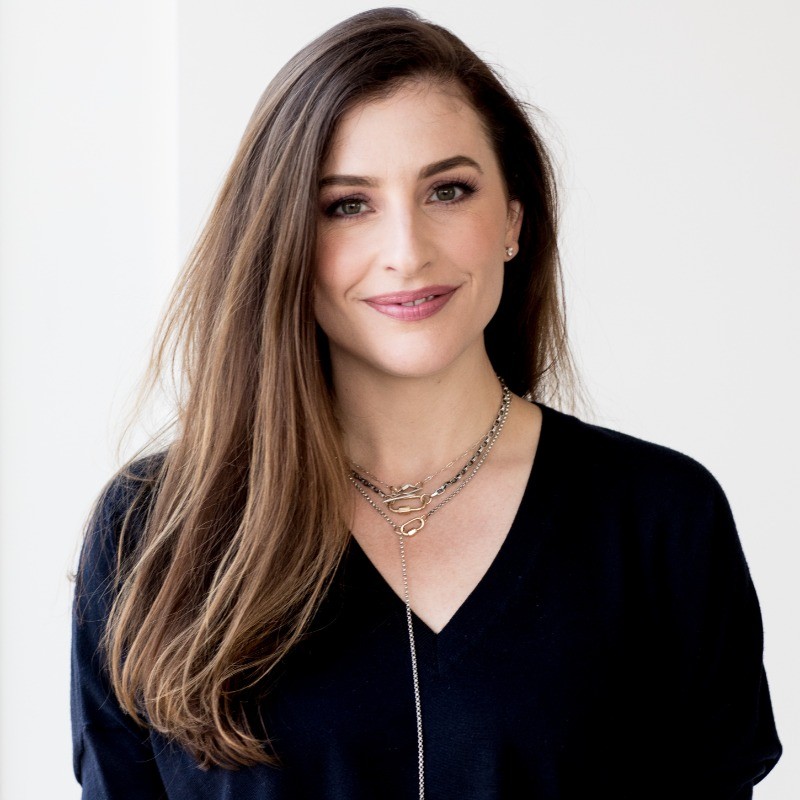
Just like many of us, Maureen built herself a career and climbed the corporate ladder. At her last role in an early-stage tech startup, her younger colleague called her a "dinosaur" - when she was 37 (!!).
This comment led to an epiphany: she realized very few people at the companies where she had worked were over 40 years old. Huh?
She began to wonder if she could stay employed as long as she wanted - or needed - to have a job. So, she set out to start conversations to understand what was really going on with ageism at work, why it was happening, and what could be done about it.
Now, she's determined to help make the future better for all of us - no matter what our age.