Personal Branding as a Black Woman in Corporate America
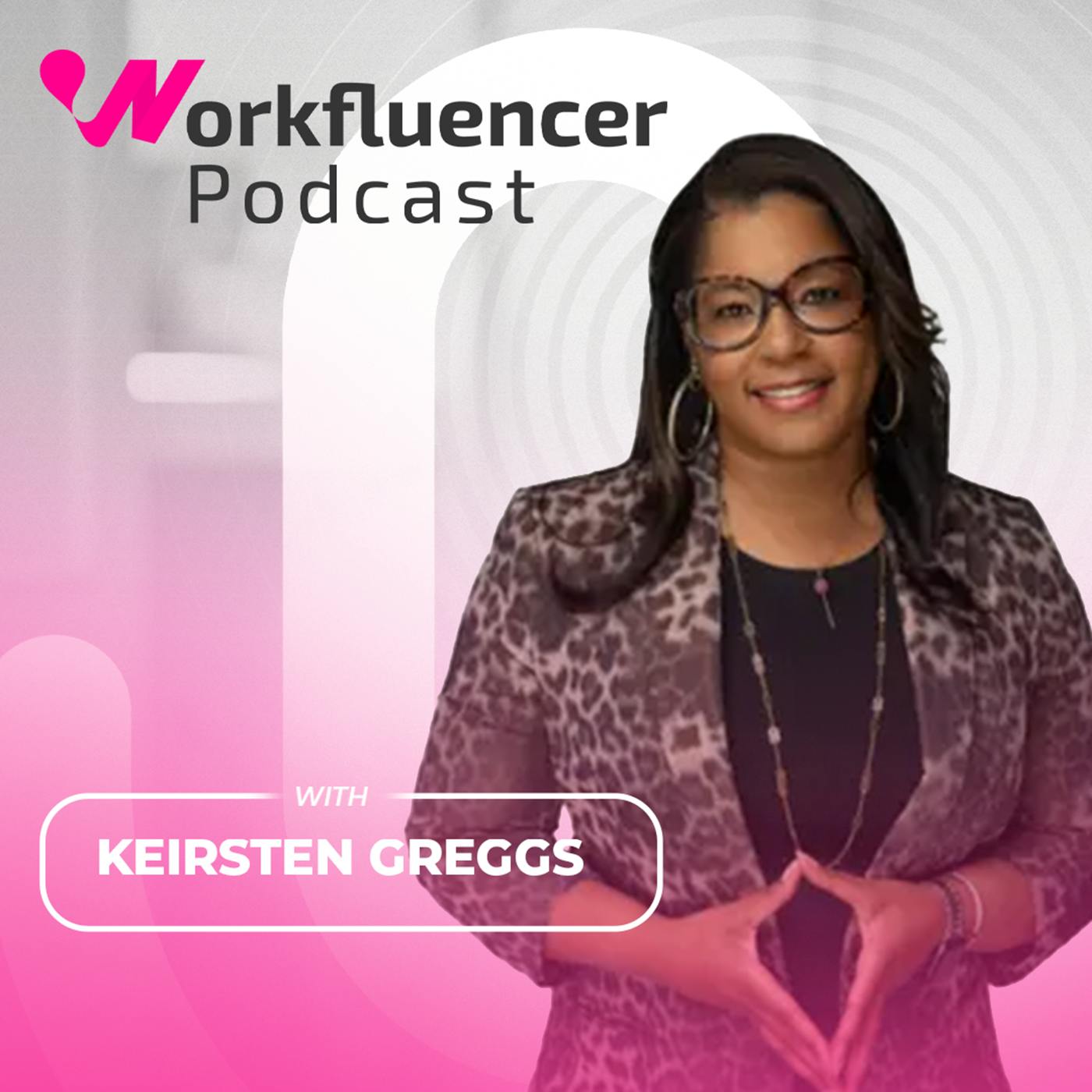
Keirsten Greggs shares what it takes to build a personal brand as a Black woman in corporate America without shrinking yourself.



What does it take to build a personal brand as a Black woman in corporate America?
In this episode of Workfluencer, I sit down with Keirsten Greggs, founder of Trap Recruiter, to talk about visibility, authority, and what happens when you stop editing yourself.
We discuss:
Being told not to name her brand “Trap Recruiter” — and building it anyway.
The moment she stopped editing herself to make others comfortable
What happens when your brand starts to eclipse your personal identity
Walking into rooms where people still look for the white man in charge
Why being featured in major outlets doesn’t automatically change how you’re treated
The reality of brand deals that don’t want to pay Black creators
Breaking down jobs reports and layoffs through a data lens most people ignore
This is a conversation about influence, respect, corporate power dynamics, and building authority without shrinking yourself.
If you’re building a personal brand while navigating corporate spaces, this episode is for you.
CONNECT WITH US:
- Connect with Keirsten: https://www.linkedin.com/in/traprecruiter/
- Connect with Rhona: https://www.linkedin.com/in/rhonabarnettpierce/
Want to turn your team into creators?
Visit workfluencermedia.com to learn how we help companies build video-first content systems that attract, engage, and retain talent.
FAQs
What does it mean to build a personal brand as a Black woman in corporate America?
Building a personal brand as a Black woman in corporate America often involves navigating visibility, authority, and bias at the same time. In this episode, Keirsten Greggs explains how she built the Trap Recruiter brand while staying authentic to her voice and expertise, even in environments where she was underestimated.
Why do some professionals struggle with the tension between being a practitioner and a content creator?
Many professionals worry that creating content will make them appear less credible in their field. Keirsten Greggs explains that she sees herself as a recruiter who creates content, not a content creator who talks about recruiting. That distinction helps her maintain authority while sharing insights publicly.
What challenges do Black creators face when building influence at work?
Black professionals who build a public platform may still face bias and skepticism in corporate spaces. In the episode, Keirsten shares examples of walking into rooms where people assumed someone else was the expert, even after years of experience and public recognition.
How can professionals build a personal brand while still working a full-time job?
Professionals can build a personal brand while working full time by sharing insights from their real work experience, focusing on topics they understand deeply, and creating content consistently without trying to be everywhere online. In this episode, Keirsten Greggs explains how staying authentic and focusing on what feels natural helped her grow her platform over time.
Why is authenticity important when building a professional brand online?
Authenticity helps professionals build trust and credibility with their audience. Keirsten Greggs shares that her content started gaining traction when she stopped editing herself to fit other people’s expectations and began speaking openly about the realities of recruiting, corporate culture, and workplace power dynamics.
personal branding for women, building a personal brand, Black women in corporate America, personal branding at work, workplace visibility, building influence at work, women in leadership, corporate power dynamics, professional authority, creator economy professionals, content creation for professionals, navigating corporate America, brand partnerships for creators, jobs report analysis, DEI rollbacks, Workfluencer
Learn more about your ad choices. Visit megaphone.fm/adchoices
Keirsten Greggs (00:00.29)
can walk into a room and people will look for the white person. There is a situation where I had to leave the training and go up to the vice president and say I was disrespected so bad. I don't think that people think I'm hot stuff. No matter what I do. have a master's degree in HR management. I was told not to name my blog, which then became my entire company, my entire brand, TRAP Recruiter.
When I first started being on my own, I had like an identity crisis. I was like, I don't know when I stopped being Keirsten and when I started being a TRAP Recruiter When people are like, why won't you go on TikTok? It doesn't feel organic for me. It doesn't feel authentic to me.
I'm not a fan of looking at the metrics, but LinkedIn keeps notifying you. Yesterday it's like, your posts have 77,000 impressions and today it's like, it has 118.
stopped editing myself. I stopped trying to be for everybody. As I started to become more popular and I started to use my own voice, I found that...
Everyone wants to talk about recruiting trends. Keirsten Greggs talks about who those trends actually impact. She's the founder of Trap Recruiter, host of Trap Chat, and the person translating jobs reports and DEI rollbacks into what they actually mean for people like us. But today, we're not talking trends. We're talking about what it really means to build a platform as a Black woman in this space and the stories that don't make it into the LinkedIn post. Keirsten, welcome to Workfluencer.
Keirsten Greggs (01:31.118)
Thank you so much for having me. I'm very excited about this conversation.
So for those who haven't met you yet, what's the Keirsten Gregg story in 30 seconds?
Target for middle management hostility. am from New Jersey. I love graphic tees. I'm wearing one today and that's about it. And snacks. I like snacks too.
So tell us about your brand trap recruiter. How did you come up with the name and what does it represent?
I would like to take credit for coming up with such a phenomenal name. I love acronyms. And initially, I know we're going to get to this a little bit more, but I was going to call my blog, Concessions of a Black Recruiter. But the more I started to like think about how I was going to frame the blog posts I was going to do, and the more I was listening to other people's stories, I realized that my story or my challenges
Keirsten Greggs (02:32.002)
you know, my successes, my things that things along my journey that weren't so favorable were not exclusive to being a recruiter. They had more to do with me being a black woman or a black person in corporate America. So the name came out of a conversation doing one of those Facebook quizzes and it said, if you were famous, what would you be known for? And my friend said, trap recruiting.
because I love trap music. So it turned into, while that was like the baseline, said, you know what? I like that trap recruiting. And then I turned it into an acronym. So it's trust, relationship building, accountability, and a proactive approach and how I bridge the gap between job seekers and employers.
Amazing. Take us back to those early days. You mentioned the blog. How did you like, okay, you have the name and everything. How did you get started?
So it started way before that. was, what do we call it? Like when we call it like praying through it or typing through it, working through it. I was just going through it in my corporate job. And I started doing this, these memes and I would just put hashtag recruiter problems. And that became an entire thing. And then like I said, blogging became more popular. So
think it was 2012. I really don't remember. But you know, I was blogging more regularly. I became part of a multi contributor blog called performance I create for where I met some of my very best HR friends slash a, you know, not even HR in front of it anymore, just my friends and, and that are now my family. And that's how that's how it really started. And at first, it was
Keirsten Greggs (04:28.14)
very difficult because being a part of someone else's brand, you really do have to tailor and you really do have to watch what you say. And even as I started to become more popular and I started to start to use my own voice, I found that when I was writing for other people's blogs or when I was showing up in certain spaces, especially if there was an editor, they were going to change the things that I said. They were going to take
the sting or the bluntness, you know, the things that are my voice, they were taking those things out of it. And around 2020, 2021 is when I really just had enough. And I stopped editing myself. I stopped trying to be for everybody, if that makes sense.
I stopped trying to please people and I just accepted that the people that want to listen to me, the people that take me seriously, the people that won't ask me to edit myself and let's not like, let's be clear, I was a debutante. So I'm, you know, I know how to, I know how to present, you know, I know how to code switch very well.
But those people, like they're going to show up for me. They're going to be there anyway. And don't worry about the other people. I'm not for them. You know, what's the phrase? I'm not for everybody.
I love that. And yeah, I think it was around 2020, 2021 when I first connected with you back in the Twitter days and we started interacting.
Keirsten Greggs (06:07.416)
think myself, Adam Karpiak, an Eastside recruiter, might be the only ones left on Twitter. I think everybody else is gone.
Yeah, I couldn't do it. was like, there was just one day where I was like, I'm done. And I just deleted my account and haven't looked back. And you know what? I welcome having less social media presence.
No, I understand.
Was that really around the time that you realized like, okay, my specific voice as a black woman is needed in TA content?
Yes. Well, no, no, no, no. I won't say it was needed in TA content because that was something I always did. Like I never, I don't want this to come off, come across as sounding the wrong way, but I never thought about the fact that I was amplifying my blackness. I never thought about the fact that I was going to do and be everything
Keirsten Greggs (07:15.342)
and not worry about it. But when people started to like give me credit for something that again, like that kind of stuff didn't make sense to me. know, like I've never not been that person. And the more I saw, you know, I saw your post today, I didn't get a chance to interact with it yet, because I was trying to get ready for this, but you posted something about your interactions or your impressions going from 77,000 one day to, you know, a couple hundred or a couple thousand the next day.
And I experienced that too, because, you know, working in corporate America, I was working for an enterprise defense contractor. And back then they would select the recruiter seats. So I was in operations and two of us had like every job was posted from our accounts. So I showed up more than anybody else. I would be like the number one or number two view profile in the entire company every week.
And I went from that, you know, and then I would have some viral posts here and, you know, viral posts here and there, especially when I said something completely silly that I didn't spend a lot of time on. But for whatever reason, people gravitate more towards that than the things I really sit down, take my time. I spell out and I'm like, this is going to be so dope. It's going to hit. I'm going to do everything. No, that doesn't work. And then like, I'll see my impressions and like, how do I have over 15,000 followers and no one sees my content?
but I know they see it. I know they do because I just told, like I just posted about that, like being impersonated, people making entire LinkedIn accounts that are in my, you know, that are not, that are in their name, but it's my information or they're creating email address, email addresses in my name and contacting job seekers. So I'm like, how am I both hidden?
shadow being unknown and the person people want to imitate. It gets to be wild. It gets to be crazy. to keep my sanity, I try to stay away from worrying about how I'm showing up online and I just continue to be myself.
Rhona Pierce (09:21.76)
Yeah, everyone who's listened to the show knows I'm not a fan of looking at like the metrics. Obviously, I look at them, but not like on a daily basis. But LinkedIn keeps notifying you as if it were this great thing because yesterday it's like your posts have 77,000 impressions and today it's like it has 118. I'm like, yeah, no. Why are you doing this to me type of thing? But yeah, at end of the day,
why I turned off my premium. don't want it it's trying to pull me back because it's like you have six people that want your consulting assistance. Reactivate premium to see who they are. 16 people viewed your profile. Reactivate to see who they are. I'm like please leave me alone.
Yeah, they don't they don't want to do it. So yeah, those 16 people I don't let's not even get started on LinkedIn premium. Let's not even get started.
That's a good one. This is not a commercial.
I know exactly. So when you first started creating content in this space, did you have other creators of color to look up to or were you kind of like out on your own?
Keirsten Greggs (10:33.838)
Absolutely. Like I said, being part of PIC, I tell people all the time, like I really started with an audience. And I am so grateful for the people that welcomed me in. I came into a group that was already established. These were the original Shurm bloggers, like Janine Dennis, like Sarah Morgan, Tiffany Toussaint, Rest In Peace, Chris Fields.
there, Dave Ryan, like even Steve Brown for, for a time, I believe was part of, was part of PIC. And if you don't know those names, I don't know what to tell you. maybe you're just younger, you're not, maybe you're not for the 1900s. That's why you don't know those names, but, you know, these are people that, you know, really uplifted me. So, I was very lucky. Like I had, I had an audience already just based off of, of their names and not to sound, you know,
Like I did it for, like, you know, whether it will be say, you know, they're doing it for clout. No, I like, these were my actual friends and, you know, I was grateful and grateful that they let me quote unquote ride their coattails.
Hey, have you subscribed? Let's fix that. It's the easiest way to support this show. Yeah. And it's a very valid way of growing as a creator. mean, I would never be or have the audience that I have if it weren't for those initial people that were that had made it, that were big and well known, that continued that spoke my name in rooms that brought me onto their platform.
And they continue to do this and I try to do this for other people. So for anyone who has people that they know and you want to get into the creator space, this is a valid way of doing it because you do get an audience by that endorsement from someone who's been there before and has the trust of people. So a few weeks ago, maybe last week, I asked black creators on threads,
Rhona Pierce (12:41.518)
to share their experiences navigating the creator space. And you told me that you had a ton of stories. What's one that you think people need to hear?
Keirsten Greggs (12:55.032)
pretty sure I told this one before and I alluded to it a little bit, but there's multiple instances of this happening to me. I was told not to name my blog, which then became my entire company, my entire brand, Trap Recruiter.
Like I was told that was like the biggest mistake I could ever make. And I, when I first started, you know, being on my own and I first started to like really build for myself, I had like an identity crisis. So I had Keirsten Gregg's social media. I had TRAP recruiter social media, but it was the same thing.
You know, and it got to the point where like I stopped, like I have personal accounts. I don't even post to them because I used, I believe I use trap recruiter so much more. And I was telling my Isha Cannon the other week, I was like, I don't, was like, at some point, this is, you know, a whole different part of the conversation. I was like, I don't know when I stopped being Keirsten and when I started being a trap recruiter.
And like I said, that's a problem for another time. I'll get into that another time, but yeah, that's been the biggest thing for me is, you know, letting someone else tell me how I, who I am and how to show up and trying to be something or do things that I'm not like, I appreciate you all that are on Tik TOK. I appreciate you all that spend hours editing videos and making contents and doing clips.
Keirsten Greggs does not have that skill set and I am too old to learn. The little bit of clips I do is because I have, I use a program, I use an AI tool that helps me do that. And it is very bare. It is very basic, but I love that you do that. So when people are like, why won't you get on TikTok? I'm like, cause I don't get on TikTok. And every TikTok I see is on someone else, is on another platform. So I will watch it there.
Keirsten Greggs (15:07.854)
It doesn't feel organic for me. It doesn't feel authentic to me. So when I stopped trying to do everything and do the things that I'm good at, that's when it to really click for me.
Yeah. And everyone's always going to have opinions. And I think most of the time they're well-meaning opinions and advice. But at the end of the day, you have to do what feels right and what is sustainable. And I think Trap Recruiter is a name that immediately lets people know what you're about and like what to expect. And I also think, correct me if I'm wrong, you've had recently, and you can share more about it, someone impersonate your brand.
And it was clear that this was not a trap recruiter.
I'll let you figure out what that means. But it was very clear just from looking at the profile picture that this was not a trap recruiter. But because your brand is so recognizable, even though this person didn't impersonate you by using your name, but by using trap recruiter, that's how you found out. Because other people told you, a minute, is Keirsten. This isn't whoever you say you are.
Well, the first one, the one that I asked you guys to report the profile, they had viewed my profile and I still had premium at the time. I didn't turn it off until the beginning of February and I was, and it had the, it had the purple banner like hiring. I'm like, who's this? And I started reading the headline and it'll get you a little snippy. I was like, that sounds familiar.
Keirsten Greggs (16:43.118)
And I clicked on it. was like, dummy, that's you. Like that's your headline. That's your stuff. And I was like, and they had my, they had my, background, their background picture was, the, entire logo, like everything. Now the other people that were getting E I did not know this was happening. I did not know that there was a Gmail account that was created. And thankfully I've only found one that's in, was like Greg's Keirsten cause Keirsten Gregg's I already use. Well, I don't use, I use it for testing when I'm doing
ATS implementations. So I should have grabbed Greg's Keirsten too, to, you know, add personas, but that they were using that and they were just like pulling stuff from my website. Like they would took a brand mark. They like took little snippets from my website to say, is my motto or this is my whatever. And then they would never like, they would go to people and say, Hey, I have this job for you. When do you want to, you know, I want to talk to you more about it. And people were getting excited. And someone even said that they were like, I was excited. He had a
four instances of finally added me to the email. I gave my email, my real email address and said, add me to the thread so I could take care of this. And he's like, I only answered because I trusted you. And that's when I had to make that post because that says a lot, cause I don't know how much this is happening. know.
Tara just made a post the other day mentioning impersonations again and talking to recruiters about ways that they can mitigate it. And as she was doing that, so let me do a search real quick. I found another profile. Another trap recruiter profile. yeah.
It's wild out there. What about working with brand partners? Do you work with brand partners at all?
Keirsten Greggs (18:35.694)
I do sparingly at this point. I had a partnership with Fama. I'm pretty sure we're going to do something in 2026, but I've been working with wherever McCole is. I call her my niece. Wherever McCole is, my niece brings me with her wherever she goes. you know, I'll do things with them. I do things with recruit CRM. I've done things with Team Fleck, but what I find very
disheartening and this is nothing against brands. Well, yeah, it kind of is. I gotta stop being apologetic for the people that are trying to do me wrong.
The ones I won't name, they don't want to pay me. They want me to work for exposure. And like I said, I spend a lot of time on presenting things. I'm a Scorpio perfectionist. If you see a meme, it looks like it took me six seconds to do. It probably took me six hours because I was worried about the font or because I saw what is this little
thing in this picture. did anybody, did anybody else do this already? You know, am I going to, am I going to look like I stole this information? You know, there's, there's all that that goes into it. So when someone asks me to labor for free and I know they pay other people, I get upset like, and, I do, and I try not to, but I like really get upset and I crash out a great deal. thank God for group chats.
Because if I said a lot of the things I want to say out in the open, no one would invite me anywhere, which they really don't anymore. And that's a whole other issue.
Rhona Pierce (20:23.454)
Yes, to all of that, because especially the part where you know they're paying other people. This is like I've had those moments where it's like, wait, is my friend lying to me? Actually, no, but I know my friend isn't lying to me. I know it's you because they're always like, well, we don't usually pay creators. And I'm always so tempted to be like, actually, I know you paid so and so person X amount for this.
So why are they worthy of being paid and I'm not worthy of being paid type of thing. That's a lot of what happens in this space, unfortunately.
It is. And there's a, there's something else, especially you would, you've been a recruiter as well, or you've been part of talent acquisition as well, but that's not your, that wasn't your job. Like you were actually a technical project manager, you know, who got tired of recruiters perhaps. I'm putting words in your mouth, but not bringing you the candidates that you wanted. you or giving you the experience that the hiring experience that was, that was necessary to get the right people.
and you figured out a way to make things work for both sides. So I think what a lot of people forget, especially in this landscape of what it means to be a content creator, and especially in a field like talent acquisition, where people already don't respect us, already think that our job is easy, already don't understand what it actually takes to get from point A to Z, anybody can be seen as an expert.
anybody can be seen as an influencer. And I think a lot of people forget, like when I say I have 26 years of experience, like I was an enterprise recruiter. Like I was inside of some organizations that make decisions about how the world is. And they were services companies. So their product was people. If I'm responsible for making sure that the right people are making these decisions and keeping the company going.
Keirsten Greggs (22:25.216)
So I think people forget that, that yeah, I'm a recruiter, but I make, that makes content. I'm not a content creator that talks about recruiting.
my gosh, can I take a second to get on a soapbox for a second? I speak to so many brand partners that tell me, well, you're not a practitioner. And I'm like, today, maybe not today. But just two years ago, like, yes, like you said, I used to be a technical project manager the way I...
fell into recruiting was because I kept complaining. At that point, was an Optic Director of Operations, but I kept complaining to my CEO about how the recruiter that we were working with wasn't hitting the mark. And one day he's like, great. Now, okay, I'm done with this. You're now in charge of recruiting. Recruiting is now under you. And I was like, wait, what?
so yeah, I had to learn how to recruit, how to build a recruiting team. And again, working in service companies where the product, I, most of my career has been professional services companies, talent marketplaces, the product were people and I've lived it. I've used the tools. I've built my own tools because I happen to be a software engineer by trade. That's like what I went to school for. so yes.
most of us out here creating content, especially the ones
Keirsten Greggs (23:58.008)
No, don't, no, no, no, no, no, no, no,
You know what? You're right. A lot of us out here creating content, mostly the ones that have been doing it for a while have worked, have been in the trenches and have created content on the side and then moved to doing it more prominently or doing it full time. We're not just content creators. We're not just influencers. Most of us started creating content.
because of what we were seeing in our jobs or because it helped us with our jobs, not the other way around. Now, like you're very right. A lot of people that are creating content are simply content creators.
love it. But you know, the more saturated, the more full it gets, the harder it is to reach us. The harder it is to figure out for a lay person who's not, you know, close to the hiring process to understand what is and what isn't good information. You know, you've got new tech popping up.
Every single day, every person is telling you that they're the solution. They're the ones that are going to help you beat the ATS. Like if I have to hear that one more time, I might scratch someone's eyes out, not my own. And, you know, like I don't want to hear that anymore. You know, I have to explain what what an ATS does, or we have people try to sell us solutions that are going to help us do that. And I'm like, that's not even the problem that I have.
Keirsten Greggs (25:40.322)
How about you ask me what problems I need to solve before you come and try and sell me your solution. That solution is not going to help me. That solution doesn't do anything, but add an additional layer to the work I already have to do. I'm still going to have to use this stupid Excel spreadsheet. I'm still going to.
Not even get started on that but the yes the result what's going on in my head in most of the demos that I get for me because I have this firm rule I will not talk about a tool or be do a brand partnership without testing out the tool first So it usually goes like let's get a demo most of the demos what I'm thinking is this isn't a problem Anyone has like who told you they needed this problem solved?
Like people are still going to have a spreadsheet. People are still going to have 20 other papers or things like that to do to solve the actual problems that we need solving. And you just vibe coded something solving no one's problem. Maybe Chad GPT said that was someone's problem.
Y'all been beating on chat, on my buddy chat for a while. Everybody's like, it's like Claude supremacy right now.
no, I actually canceled my clod because it wasn't doing it for me. I have chat GPT, so I have...
Keirsten Greggs (27:10.094)
I have both. use both and I cross their information because I'm like, this though makes sense. I think some people don't read that that's why they have the issues or they don't know or they want to show up as an expert about something they don't actually have fundamental knowledge of. And that's why we have all this garbage in garbage out in our atmosphere right now.
Yeah. And I think for, and something that I love about the people that listen to the show and the people that come on this show is it's actual experts wanting to learn from content creators because pure content creators have a ton that we can learn from as far as content creation. But you do have to be an expert, think responsibly be an expert at what you're talking about.
I want to talk about, so you've been featured in BBC Forbes fast company, like major outlets. does mainstream recognition change how you're treated in the HRTA space or do you, do you still walk into rooms where people underestimate you?
That was a lot of questions in one. So this is not advice for me. This is not me telling you to do this this way because it worked for me. It's not going to work for you because I know people that have created entire playbooks and all of that around this. yeah, here's the thing. I never reached out to BBC. BBC found me and because, and not because I think I'm hot.
stuff is because I don't know how to do business development. Like I don't do it. I don't know how. Okay. I know that's not what I'm good at. So BBC reached out to me and they appreciated the first time I was on the radio and then they kept talking to me and then other people, when they search recruiter, staff recruiters going to come up. I did. So I unintentionally, I got to the top of the algorithm for a while.
Keirsten Greggs (29:22.126)
And that's how they found me. And I think a lot of times people are kind of lazy and they just go with whatever. They'll go to my LinkedIn. They see I have 15,000 follows and that I work for some of these companies. So, okay. She's not just buying like these aren't robots that she bought. And these are actual people, some probably most of them, but I'm sure there's some bots in there anyway. So I think people don't care about that.
or they want to know why I'm there. So when you're talking about underestimating, like why her, like why they pick her. I've had situations in, I don't see much difference between corporate America and being a consultant or being in a solopreneur. I'm still dealing with people. I'm still dealing with the same type of issues and problems.
I can walk into the room and people will look for the white person. People will look for the man and go to them as the expert, go to them as the person. had a the first time that that. Nailed home for me was. When I was leaving the recruiting department to go into the business into the cybersecurity business as the staffing liaison and.
To wrap up, I was training the recruiters on the new applicant tracking system because that was something I was already in the process of doing. I had been part of the implementation from the beginning, so they would lend me back to do the training. And I remember there were new recruiters in the room who didn't know me and I had my successor who I was training there so that he could figure, you know, he could get a handle on training and
I promise you, there is a situation where I had to leave the training and go up to the vice president and say, I'm not going back down there because I was disrespected so bad. And they didn't do that to the white guy who I was training. They did that to me. And that still happens. If you're in our group projects, you know, we're on these
Keirsten Greggs (31:43.222)
webinars and we're doing and we're doing, we're collectively coming together and we're putting together panels and all of this stuff, you know, they want me to take the notes or, it's not until someone says the thing I just said that it's, that it's, you know, validated and it's annoying, but
because of thing where it's like, do you keep showing up? Do you keep putting up with this? Or do you just not even say yes anymore? And that's where that's kind of where I am right now. So no, I don't think that people think I am hot stuff. No matter what I do. Like I have a master's degree in HR management and every vice president, every director.
that I've worked under, some had high school diplomas. And that's no disrespect, because recruiting, you could be a fantastic recruiting leader without getting advanced degrees. I wish I hadn't, but I thought that was the only way that I was going to prove I was as good as and better than other people. It didn't matter that I hire more people than everybody else. It didn't matter that they let me do special projects
because I was still in my jobs. Like I have a good friend I'm still friends with today. So he say stop. He was like, you're going to recruit yourself out of a job. And I'm like, what you mean? He's like, you don't have any recs. They're going to make you do something else. And I'm like, okay, I'll do something else then like let's get it done. But yeah, I don't know how we overcome that. And talking about it in like in these types of things. Yeah, me and you will talk about it. We'll, we'll, we'll do it. But then next thing you know, someone else.
even if they're a POC or if they have another marginalized part of their identity, will come in and take over that. My stupid self did a black history month or no, it was Juneteenth. I did a Juneteenth webinar one time that they co-mingled with something else. And I was like, why did you do that? Like, why, why did you do that?
Keirsten Greggs (34:06.872)
So I don't try and get into those type of arrangements anymore, but it is still very difficult to recognize who is and who is not appreciative and really respects what I bring to the table. I still get those, wow. Cause again, people see track recruiter and they think I'm just this fun, you know, I'm just fun and I just ha ha ha, I'm going to rap or so. don't know. I don't rap. You know, they think I'm going to rap or I'm going to.
entertain them. And I am entertaining, but I come with a book of knowledge that cannot be denied. And I think people are still surprised when this is able to do the things that I'm able to do. I got an email today that said, thanks for posting the job stuff. I'm going to talk about it tomorrow on my podcast. Invite me.
Are you taking my stuff?
What?
my gosh. Look, listeners, audio, if you really want to see what's happening in this episode, I think you have to go look at the video version on YouTube or Spotify because I am not controlling my face with these stories.
Rhona Pierce (35:29.486)
actually wanted to talk about it because you don't just share opinions and advice. You break down jobs reports, the war notices, DEI rollbacks, and you translate that into what those numbers actually mean for employees of color. What made you decide to become that source?
think I became that source. I've always done that. my last incorporate, my last positions were in operations. So I was the person that took data and explained what it means to you. And I love doing that. I love the stories that we can tell from data. I love that I can read something and you can read something and we can both, we could come up with two entirely different ways of presenting that information. And both of them are awesome. So
That's why I do that. And also I don't like that we hide the stories. we're, a lot of people don't read past the headline. So they see something, but they, but my question is always, Ooh, but what does that mean for me? You know, like, what does that mean for me? And I think the worst thing that anyone ever did was give me the skillset that they did of giving me part, you know, giving me access to the data warehouse and being able to see every employee.
And they're like, Hey, and I never thought this was should have been part of my job in TA, but for whatever reason it was, um, you know, I had to do the, the riff report. the reduction in full enforced report. And I took it seriously because I'm like, why are all the leaders? I'll say, why are only black people getting laid off in this section? Why are we doing this? And, and it's, it's nice for me to say that, you know, that makes for a great sound bite. Only the black people are getting laid off, but
Sometimes it's deeper than that. Sometimes it's the black people occupy these positions disproportionately. And these are the physicians that are easily replaceable or that we don't need. And that's why the black people are getting laid off more than anybody else. So that's, you know, those are parts of the story that again, a lot of people are not going to see, they're going to see these numbers and that's it. Some people all the time, 80 and 20, when you have a hundred and 80 and 20 are the same thing.
Keirsten Greggs (37:40.248)
Just depends on what story you want to tell.
Yeah, and that's why it's so important. And I always appreciate your post because you're coming at it from this is the data. This is the story that the data is telling. I think it's wild that someone would say thank you for posting it. Because by the way, listeners, today, the jobs report was released at like eight thirty this morning. And.
I was waiting
Yes, and like an hour later, we already had the Keirsten breakdown in carousel format.
Yes, I'm gonna be too much credit. It took me about two and a half hours. It did take me about two and a half hours. Okay
Rhona Pierce (38:22.926)
still two and a half hours and it was already analyzed and posted on LinkedIn in a beautiful format that was easy to consume and understand. So I think if people like me who appreciate that and want to talk about it on their shows should give you credit and invite you because I'm sure that and you're a great storyteller, you're a great data storyteller, but
If you want to talk about it in depth, if you're a journalist of sorts, and I think podcasters are, you should invite the source to talk about these things and to explain it because I'm sure there's a lot of the story that wasn't captured in your carousel.
So there is, and I can't go through all of those charts. Like I said, I'm from the 1900s, shout out my Aisha for giving me that phrase. And those tables to me seem like they're getting smaller and smaller, even when I have my spectacles on. And I'm not trying to click on all these extra ones. And I've seen so many people say, I don't trust these numbers. And I'm like, yeah, but it's from VLS. And I'm like, the more I'd like read and like I'm looking at, why?
Why are we reporting on this now? Like, wait a minute, what report did we pull these? What survey do we use for this? I'm like, yeah, I probably won't trust these numbers either. And we'll see next month. And we know those numbers are going to be down. know, was like 130 jobs, 130,000 jobs created by, by March, whenever they put it out, if they put it out, we'll probably be somewhere. I'm going to say 88,000 is my guess.
We shall see. So in addition to the great content that you put out in written form and visual the memes, you decided to launch Trap Chat a few years back, which is a live show. Take me back to the moment that you said, I'm doing this.
Keirsten Greggs (40:27.15)
Again, I got to give credit where it's due. It was never trap chat. It was first ring of hire. And it was specifically for TA people and Rich Rosner had me, Rich Rosner is like a live stream animal. is, he is always live. don't know how he has the energy for that, but he brought me, I was like,
We did see this other for TA day and he did a show for like 12 or 24 hours, something ridiculous. And he said, I really liked your energy. Would you want to come and do a live show with me? And I was like, sure. So it was 2020 like.
Yeah, we had time.
I had plenty of time and lots of coffee. So we would get on and then ring of hire didn't work anymore. We needed because the person didn't want to do it and it was their platform. So Rich was like, let's do trap chat with the shark because he calls himself the staffing shark. Yeah. So we did it. But again, when you're working with someone and I love Rich, he's been amazing to me and I to him, like I consider him a friend.
But when we have different audiences, number one, he's coming from the staffing side. So for anyone that's third party recruiters that I am coming from the in-house side. So those are two different perspectives in and of themselves and two different audiences, two different needs, you what we're going to talk about, what's exciting. And I really just wanted to talk about more than hiring, especially during a time when people were not working, especially during a time
Keirsten Greggs (42:13.454)
when there was more to the story, especially during a time when black people were, you know, disproportionate in every thing. And I remember Kate Bischoff was my first guest and it was the legal standpoint, was 2021. And it was the legal standpoint of COVID mandates. That was a big deal, you know? So we did that. And again, you always start closest to, and I people that's when they network, you start.
You start with what's closest to you and then you move out. So for the first year it was live. That was challenging. That started to become challenging as people started to get back into the swing of things and not be home or not be in one place all day long. And they could just log in. It was, I was only talking to HR people and TA people. Then I started opening up a little bit more and I was like, let me get some folks that are, it was people that were adjacent. So.
when it came time for like vaccine mandates that I wanted someone to or I want someone to explain it. So I was looking at public health professionals and doctors and I was like, everybody has a career story. then it became, okay, I'm tired and I have to work. I have to do work. You know, that pays me.
Because if you remember, were on early too. You were on like 22 maybe? 22 or 23?
I did it as well. course you have.
Keirsten Greggs (43:49.57)
It's time for a third time. Listen, I got people that have been on eight times. Like, they'll be fine. They'll be fine.
But I remember it was the earlier times.
Yeah. And, and now I do series, you know, now I do, Hey, black history month. We're going to talk about this women's history month. We're going to talk about this. do something that's in the spring and summer. That's like, you know, last year it was like resetting. you know, I've done stuff for just black music month in June. I've also done stuff for, LGBT for pride month, as well where I will, where I will do both, especially because they're both in June.
but sometimes it's like, why do I only want to talk to this person during this month? Like, why can't they be, what? Like they had, like their story matters more than that part of them. So that's why I started doing the series. Like I said, of like anything you could talk to that folks that like I had, I had a person, I got discouraged last year and I think I shared the story with like one, actually I shared the story with someone and then they shared it with the larger audience.
after one of their appearances because the per because like someone very famous shared that like commented on it and was like, I love that. You know, and it's like, what? Like someone saw this, but someone told I asked him when to be on my Black History Month show last year. And I was trying to reach different parts of our culture, different parts of the community.
Keirsten Greggs (45:28.152)
So I had like a pastor on, I had someone that was in NFL, I had the librarian that was on Queer Eye, Billie Allen. I was just, I'm touching every part. And I asked someone to come and talk about education and they replied that my audience wasn't big enough for them.
And that hurt me. Like I was so defeated and I had to realize, no, it's not. then fast forward, I have someone reach out to me who was a hostage in, you know, who was one of the sick go six who like reached out to me. like, I would love to come on your podcast. And I was like, to come on my podcast? Keirsten Gregg's podcast? Are you sure?
You like, so there comes that. So now I talk to everyone, like I said, about their story and about their journey. And it doesn't matter. Like my aunt's been on, she's retired. My little cousin before he was, when he was going from intern to his first job, he was on. So talk about any facets of life and how they intersect with your career is what I want to do. But it took me a long time to get there. It took me years and I'm not exaggerating because what
Trap chat was in 2020, 2021, 2022, even 2023 is like, I feel like 24, 25 and now whatever I'm going to do in 26 is like really hitting my stride and like really being confident in what I'm doing and never going to stop amplifying voices. I always say I was going to amplify voices that other people may not know, but they need to know that have something amazing and awesome to say.
So I'm never going to stop doing that. I told my friends, I invited someone who is very unreachable. And they haven't answered my email. Of course they haven't. But hey, doesn't hurt, right? What if they said yes?
Rhona Pierce (47:39.884)
No, exactly. And I think that's really the beauty of being a creator. You can see the evolution when you look back, but you would never get that evolution if you didn't start, if you didn't actually do it. And I mean, it hurts. I've had, I had someone this week, look, I was actually talking to my husband about this because I would much rather prefer, even though it hurts for someone to tell me, I don't want to come on your show because your audience isn't big enough for me.
What they told me was I'm not doing podcasts this year. And right after that, yeah, well, that that I was feeling like, OK. And then right after that, I see them post a podcast that they just did. wow. And my husband's like, well, no, maybe they filmed it last year. Maybe this, maybe that. And then today there's another podcast posted and another. I was like, come on.
least be honest and say why you don't want to come.
Maybe they don't know, maybe you're intimidated by you. Like, you gotta be honest. There are people that do get invited to things and they don't say anything new. I've been, I had this experience, like, I was embarrassed on one of my shows. And this is someone who was, who had been featured in media, okay? And I'm not gonna say that person's name, because I have not had them back on. They will not come back on.
I was embarrassed by the way that this person felt like they needed to show up on my show, because it was trap. It was just...
Keirsten Greggs (49:27.95)
I was like, what is happening?
And yeah, some people don't work. Like I've done that. The people that are most popular, they are usually the ones that I have the worst shows with. And I'm not even, I'm not even going to be funny. So the popular people that I'm friends with that are watching this, I'm not talking about you. So calm down. If you've been on more than once, you know that that's not the case. So yeah, I feel like
the folks who have the shows that that I've been most proud of outside of once I really stretched me are the one where are the ones where a person has never been on a podcast before and they trust me to to let that you know to they trust me to tell their story they trust me that I'm that I'm not going to like do any gotcha things or I'm not going to make them
you know, nervous or make them feel bad and they feel like, you know, they're like we're doing, they're just having a conversation. So those are the ones I'm most proud of. It's almost like, my gosh, like this is my first time and I really enjoyed myself. Like that was awesome. That was great. I want more of those.
Yeah, that goes back to what we were talking about at the beginning about like, have to when you you have to start somewhere and a good place to start is going on someone else's platform, someone who has already built a platform. And I think as creators, we should never forget that at one point, we were the person that had never been on a podcast who had never been something and someone took the chance and invited us and opened that door. And we should continue to do that. And like,
Rhona Pierce (51:11.05)
as we get bigger, not forget where we came from and help other people get there.
Absolutely.
And I also think this is a great segue to what I was going to ask, which is what's something you know about building a platform as a black woman that you wish you'd known when you started?
wow.
I had a lot of trial and error and I think the biggest thing I can say is not to try and be someone else. And what I mean by that is that you don't start at the, what's a popular podcast? That's like secular. What's that one? Okay, Joe Button pocket. Like you're not the breakfast club, you know? So you don't have to set up your podcast. Like I'm in my office, like.
Keirsten Greggs (52:04.886)
There was a time where I wouldn't show my day bed because I didn't want people to think I was in my boob or, you know, like there's little stuff like that, that I'm not so, so hung up on anymore. You know, you're not, you're not breakfast club. You're not, whoever has a, you know, very popular secular podcast or whatever. you're, you're yourself and be yourself. Don't try to be somebody else. and I think I spent a lot of time doing that, you know, like trying to make things fancy and pretty and
uh, you know, what am I going to say? Which, which clip am I going to, I wasn't even doing clips until y'all started doing them. I was like, am I supposed to do that? I was just putting out episodes and I'm like, suppose to like tell people to watch it again. Like they didn't watch it already. Like it's still there. What do you want me to do? You know, I didn't know I was supposed to do that, but that's something I needed to do. You know, if you want to do podcasts and you have to do it because you want to, um, I, when I first started, I used to have one that was just audio.
I only filmed three episodes. only recorded three episodes and I had someone who was editing it. Like it was such a labor. Like, that's not something that I needed. That's why the live shows work for me because I could be as goofy and make as many mistakes as I needed to. And it didn't matter. Even when I record now, I still treat it like a live show. Like we're not here for perfection. We are here to tell our stories.
So don't try and be something that you're not and don't over, what's the right word? Don't don't overproduce it. Cause you know, unless you got CNNs, ABC, money, it's not gonna work. It's not gonna work. And I wish I had also, I found out that there are colleges that, and even the public library, like you can go to your public library and they have rooms where you can tape your podcast and things like that. I wish I had known stuff like that before I.
you know, jumped into this and transition from a live show to what I do today.
Rhona Pierce (54:04.928)
That's great advice. And it's also advice that I give and people always look at me because it's like you own a video production company. Yes. And when people come to me, like I don't work with new, new podcasters. Well, I shouldn't say I don't work with, but very few times I do because when you're starting, what you really have to focus on is the content you need to like hone in on what you're going to be saying, what you're going to be talking about.
before you start thinking about the bells and whistles. Is production important? Yes, in my opinion it is. Is it important? Is it the most important thing at the beginning? No, it's not. As long as you're putting out something that you can be proud of, that you can stand by, that represents your name and your brand, then focus on the content more. I'm not saying just half-assed things. I'm saying...
Present something that you're proud of, but focus more on the content than on the production at the beginning.
Yeah, and the only thing I'll add to that, because I am not a technical person like you, like I am not a software engineer, use a platform that you can use one that works for you. Every like I mean, I use what I use because I learned how to use that one. If I filmed on Zoom, which is perfectly fine. I know a lot of people that film on Zoom and then they use a production software to
do other things. But if you don't have that skill set where you can do that, then just do it on Zoom. If that's where you're comfortable, just do it there. Don't try and create something. Like I said, don't try to create this production that you don't have the budget or the bandwidth to support. It's going to show up. We've seen things where these influencers that are really popular, and I'm not talking about career or
Keirsten Greggs (56:05.57)
professional related, like they're just out and they're sitting in their cars and we sit there and we watch those videos all day long and they're sitting in their car on their phone. Like that's okay. If that's you, do that. You don't have to buy everything on Amazon before you start. Start, start. That's the most important thing, start.
And if I'm going to be really, really direct with people, all of that, Rona, what camera do I need? What lights do I need? All of that is just a stalling mechanism. You're just procrastinating. Go ahead and start doing something. All of the people, and I tell this to everyone who's reaching out and asking, and what lights do you use? The lights that I use now are, were not there at the beginning.
And also I happen to have a husband who can set up a studio for me. That's just, I was just lucky that way. But if I didn't have that, I would have started any other, like I would have started like everyone else does. And so it's like, just focus on the content. I think that's the best advice. so if you've ever watched the show, you know, there's always a rapid fire segment and
Let's hit it.
keeping it light. We're just filling in the blanks. First word that comes to mind.
Keirsten Greggs (57:30.254)
So you be careful. All right. Don't curse Keirsten.
We can. Nope. All right. The biggest lie in recruiting is.
that it's easy, that anybody can do it.
The thing that will make me unfollow you immediately is...
Hmm.
Keirsten Greggs (57:54.619)
Wow, immediately? They're rude? That's hard.
the type of content you'll never create.
Only fans.
I mean, no, no, no, I like that. It's funny because sometimes when I'm writing these out, I'm thinking, they say this, they might say this. I never thought of that. So I love that one. Your petty superpower.
Ready?
Keirsten Greggs (58:32.064)
Scorpio and we're just gonna leave it at that. have a uncanny ability to remember something that you did to me 2500 years ago and if you have not felt any type of repercussion from that, your time is coming. Like I'm just not ready yet. So my superpower is being petty.
I love that one. All right, last one. The hill you will die on.
Ooh, so in time for the Devil Wears Prada coming out soon, one of my favorite movies. We all have to have a watch party. Even if you don't want to come, you're going to be invited. Andy was the villain in Devil Wears Prada.
All right, we'll see what everyone thinks about that. I've really enjoyed our conversation, like every conversation I've ever had with you. How can listeners connect with you?
everywhere at Trap Recruiter, not at Gmail at Trap Recruiter.
Rhona Pierce (59:44.908)
Love that. Thank you so much for being on the show.
Thank you.
If you're enjoying the Workfluencer pod, share it with someone who's changing how we talk about work or who should be. And hey, if this episode gave you ideas or inspiration, leave us a five-star review. Reviews help other listeners find us. And honestly, it makes my day. This show is produced by Workfluencer Media. Visit workfluencermedia.com to learn how we help companies build video-first content systems that attract, engage, and retain qualified talent.
That's WorkfluencerMedia.com. Thanks for listening and I'll chat with you next week.
Founder | TA Consultant
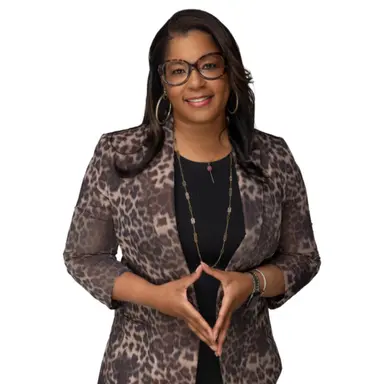
Recognized as a top Recruitment Influencer to follow in 2024 and honored as a 2023 HR Unite TA Trailblazer award winner, Keirsten Greggs is the visionary founder of TRAP Recruiter, LLC, boasting an impressive 24-year career as a recruitment veteran. Her unwavering passion lies in reintroducing trust, fostering relationship building, instilling accountability, and advocating for a proactive approach within the recruitment lifecycle. Keirsten dedicates herself to assisting organizations in attracting, selecting, and retaining top-tier talent, while empowering job seekers from historically excluded and underrepresented backgrounds to assert their voices in the hiring process.



