How to Build a Virtual Summit With No Team ft. Benjamin Mena




What if you could build real industry authority, grow your network, and create long-term leverage — without a team, a budget, or paid promotion?
In this episode, Benjamin Mena breaks down how he built a 600+ person virtual summit completely solo, while still running a full recruiting desk.
You’ll hear how he designed summits that actually attract the right people, why keeping live access free increases trust and engagement, and how curating other experts helped him build influence without putting himself front and center.
This conversation is a practical playbook for anyone who wants to use content to build community, credibility, and inbound opportunities — without burning out or overengineering the process.
What You’ll Learn
How to use a virtual summit to grow authority in your niche
Why “no team” can actually be an advantage
How free live events drive higher engagement
The systems Benjamin uses to run summits solo
How podcasts create warm relationships at scale
When community monetization actually makes sense
Resources Mentioned:
- Register for the FREE 2026 Sales & Recruiter Summit - https://bd-sales-recruiter-2026.heysummit.com/
- Check out Benjamin's Podcast - https://www.eliterecruiterpodcast.com/
Connect with us
- Connect with Benjamin - https://www.linkedin.com/in/benjaminmena/
- Connect with Rhona - https://www.linkedin.com/in/rhonabarnettpierce/
Want to turn your team into creators?
Visit workfluencermedia.com to learn how we help companies build video-first content systems that attract, engage, and retain talent.
workfluencer, virtual summit, virtual conference, online summit, community building, podcasting strategy, content marketing, audience growth, personal brand, thought leadership, creator economy, building community, podcast growth, authority building, event marketing, online events, no team business, solo creator, bootstrapped growth, recruiting industry, recruiter podcast, HR podcast, B2B podcast, professional creators
Learn more about your ad choices. Visit megaphone.fm/adchoices
Benjamin Mena (00:00.096)
I would have been super excited if like 50 people signed up. I kind of like told everybody that we might get like 25 people to sign up. I think by the end of that week, we had like over 600 people for the first summit.
What sparked the idea to even try this?
Big organizations have these big sales summits for their teams to really ramp them up, get them going again, get them excited. But when you're small, you don't have that. You can't afford it. So was like, why not bring some of my friends together? Bren Orsuga, he broke down how to have a million dollar a year. Julia Arpog, she's actually now gonna be the kickoff speaker for the sales summit. know, John Davison, Clark Wilcox, Keely Flood. I think recruiters want to learn from other people that are doing it themselves.
love that.
Benjamin Mena (00:44.416)
Also, I remember almost 20 years ago, somebody sat me down in an office and said,
Benjamin Mena is doing something that shouldn't be possible, running 600 person summits with zero team, zero budget, and a full recruiting practice on the side. Today, we're diving into how he accidentally built the anti-conference that recruiters actually want to attend, why he keeps it free when everyone says he shouldn't, and what it really takes to pull this off. Benjamin, welcome to Workfluencer.
excited to be here. It's kind of crazy. You forced me to look back and analyze the chaos of what all this is. So excited to be here. So grateful that you invited me. And also, you've had some killer guests on the podcast. So it's kind of cool to be part of that cool circle.
amazing and I'm so excited that you agreed to do this. So for people who don't know you yet, like what's the Benjamin Manna story in like 30 seconds?
I'm a GovCon recruiter, been recruiting for almost two decades. I am a father, I'm married. 30 seconds, got 15 seconds left. Oh no. I do a lot of running too. Running is kind of like my fun hobby. So I run with Gabe a lot. So poor Gabe, my two year old's name is Gabe and he is stuck seeing the sights with me as we go running five to seven miles per run. So I guess that's a little bit about me. And then I have a podcast too I forgot about.
Benjamin Mena (02:13.23)
I have the Elite Recruiter podcast that I have. I'm also in charge of the Pinnacle Society's podcast. So I help them with their podcasts and then I put on some summits on the side while still recruiting.
Amazing. that's a lot, right? You have your podcaster, you're a headhunter, and somehow you're also hosting these massive quarterly summits that everyone's always talking about. And I see all over LinkedIn. I want to start with how this whole summit thing began. Like what sparked the idea to even try this?
you're gonna laugh at this. was on a run and about halfway through one of my runs, I was like, what if I brought some, some of the podcasts guests together for like one, during like one week and they share. And that was the, where the summit idea came from. I was, would have been super excited if like 50 people signed up. kind of like told everybody that we might get like 25 people to sign up. I was like, Hey, just be prepared. I, know, nobody's really going to do this. Like people don't like doing summit things.
And I think by the end of that week, we had like over 600 people for the first summit.
So you literally just like, we're on a run, thought about it, posted about it, asked a few people and you got 600 people the first week.
Benjamin Mena (03:27.022)
By the end of the summit, had 600 people. I think maybe it was like 10 people the first week. mean, it's just like having a podcast. When you start a podcast and I think for the first 25 episodes, I was probably the only person downloading my episode just to hear how crappy I did. The guests were amazing, but I like self-analyzed. I'm like, my God, I suck at asking questions. How can I do better?
my gosh, same that that was me on my walks when I would listen to my own podcast and I was editing at that time and it's like, my gosh, I suck. So the summits are everyone's I haven't been to one of them yet, but everyone's always talking about them to me. like walk me through what these summits actually are like, what would someone experience if they showed up to one?
So each of the summits are designed for different part of the year. picture this, the one that I have coming up is the Sales and Business Development Summit in January. It really help kicks you start your year. After that, towards the end of Q1 going into Q2, I have ROCK the year. it's like, your energy's diving down a little bit and you just see the inspirations that they're not there anymore. Come get motivated. And then summer, I typically have an AI Summit, really focused on AI.
And then towards the going into Q4, have finished typically like finished the year strong or some theme around that. Like you've gone no matter how the first three quarters have been. This is your opportunity to like draw a line in the sand and make go all in on the last quarter. like each of the summits have like a theme in my head. And like you see this, like there's so many of us like we're by ourselves, whether you're working for a large organization or whether you're solo.
The big organizations have these big sales summits for their teams to really ramp them up, get them going again, get them excited. And then, it's typically a quarterly or biannually. But when you're small, you don't have that. You can't afford it. So was like, why not bring some of my friends together and get them together to like, it's a combination of coaches, it's recruiters, it's everybody in the trenches with you.
Benjamin Mena (05:42.626)
Focus on topic, we can learn, share and all grow together because I truly believe a rising tide in our industry raises all ships.
Yep. Love that. So like, what's the criteria to be one of the speakers at your summit? Like, how do you choose who's going to talk?
Am I supposed to have like a process for that? with the onboarding for your podcast, like my goodness, you have some amazing processes. My process behind the scenes is actually chaos, which doesn't help you do this, but you know, it's a running a one man show and it's just like everything's in your head. But it's what I think about is what the recruiters that I talk to need. And then based on that information,
I will try to find topics or speakers to help fill in that gap. So that's really the criteria behind it. You know, it's I get a lot of people that actually want to talk, but it's like it's now hit a point where it's like, I'm like, hey, maybe like later or like, I don't know you that well. Let's get to know each other. Like, I want to make sure that you're also adding a ton of value and you're not just coming.
to do a sales pitch. I want somebody to walk away from your talk, your session and be like, this piece of information can absolutely be a life changer for somebody, somebody's business, somebody's desk. That's the way I think about these things. I want you to change. I want your information to be so good to change somebody else's life and not be a sales pitch. It's awesome if they want to come to you afterwards, but how can you improve a recruiter? How can you help them get better? What piece of knowledge that helped you win?
Benjamin Mena (07:26.242)
that you could share and they can follow you afterwards. Like, you hit them up afterwards. But what can you do in that small amount of time that you have a recruiter in front of you that is looking for help, that looking for like to make a difference, looking for change, looking to grow? So that's what I think about when it comes to like speakers and who and that kind of stuff.
If you've made it this far into the episode and you're not subscribed yet, now's a good time. How do you pull this off as a one person thing? That's what I like. What's your process for like the whole thing? Because it's like, OK, finding speakers is just one piece of it. But then the rest of like the tech, the everything. How do you do this?
So let me just also preface this. So I actually just added this up. We've had over 10,300 people show up to the recruiting summits. And I think like the last year and a half. A lot of it is also because of the tech behind the scenes. And I think one of the also things is like, I've actually never spoken at one of my summits. I've actually have never taken a speaking role at one of my summits.
My goal is to bring the experts together and I don't look at myself much of the time as the expert. I'm like, okay, I know this person that could do this, this person could do this. But behind the scenes, it's technology. It's like a combination of AI. It's being a little crazy, then willing to go do dumb ideas that are not profitable at all. And many times you're actually like, the trainers and the coaches that show up make way more money than you do off this. it's
knowing the impact that you can make. Behind the scenes, it's technology. There's now Summit software systems that help you run everything. Zoom is like, I use Zoom webinar just because everybody uses it, everybody's easy, no matter how bad, even if you're at a hotel, it works. I love that we're using Riverside right now, but if somebody uses Riverside from a hotel room, it is dead in the water.
Rhona Pierce (09:35.735)
Dad.
And it's piecing together different pieces of software in, know, chat GPT, like, hey, I have an entire chat GPT thread that I think I've been going through for over a year now, just kind of like bouncing ideas off, like, hey, how can I write this better? How can I do this better? It's just trying dumb ideas. But yeah, behind the scenes of software.
Amazing. Where are some of the speakers that you've had? Just like give listeners an idea of the content that they would get if they were to go to your summits.
I mean, give you a quick rundown of like some of the previous speakers like a Bren Orsuga who's now part of the Pinnacle Society. The last summit, he broke down how to have a million dollar a year. Julia Arpog, who's actually coming to the next summit again and she's actually now going to be the kickoff speaker for the sales summit. And she's literally going to talk about how she has done seven figures in business, give you the entire sales strategy and playbook. know, John Davis and Clark Wilcox and QA Flood and...
Sharon and there's a few people I'm going to invite that haven't been invited yet. Archer, who's focused on how to do retained search. If you're looking for something, I typically have over 30 speakers at the summit. You will find something that will help you move the needle. That's my goal.
Rhona Pierce (11:00.46)
And those are some names, some heavy hitters of people who've really done the thing. It's not just talk. It's like seven figures first year, I think was for Julia and like all of these things. it's like tech practical, like let's get some stuff done. I love that. I love that energy.
And the coolest part is after you're done there with the talk, the question and answer sessions are gold mines. They're just like, I mean, that's the coolest thing about showing up to these talks. You hear these people on the podcast or you see these people online, but hey, think Julia one time answered, I think it was like 81 questions afterwards. Brenner Suga, I think hit 60 questions. Luis Archer just questions until the time ran out. It's just, you have these ideas of like,
you hear these people like, but getting a chance to interact with them and like, you know, or hear what other people whose questions are to like, crap, I didn't even think about that. So that's actually one of my favorite parts is the q &a time after their talk.
Yeah, the Q &A time is like, you always get those moments of like, I did not think about it this way. It's always so interesting and learn about like what everyone else got from the same talk that you just listened to. So paint me a picture of summit week. Like what does your life actually look like during those days?
If you want a good laugh, the second, so as long as there's no tech issue and there's like always some sort of tech issue and it's half the time because like something I did behind the scenes. So if there's a tech issue and things are blowing up, I am literally answering messages nonstop. But typically what I do is like, you know, I have everything lined up. The tech is all, as long as the tech's all working. I used to be super sick the night before and I probably still do, just get worried. Cause I just want...
Benjamin Mena (12:50.712)
people would have such a great experience. But I do the introduction, I kick it off with the speaker, I turn off my mic and I turn off my camera. And most of the time I'm actually on candidate and client calls behind the scenes.
Love it.
Literally like closing candidates and you working with clients and sometimes I have a dual, another laptop set up for client Zooms in front of the talk that's happening here. So it's, it is just chaos. is, it is awesome. It is just my energy is running high. I am like, it's like, I'm probably like Red Bull level energy the entire week. And then like the Tuesday when it's done, I just kind of like...
want to close off, go in a cave for a little while and then start attacking, like go back and like start attacking the week and like, okay, that replay, I've got to get that one. I'm watching that. Like I actually go through a lot of the replays in the time after the summit so that way I can start getting some of the knowledge that these people shared.
Amazing. Does Gabe get a break from the runs during Summit Week?
Benjamin Mena (13:57.262)
He does. he like, he'll get the run on like a Saturday and Sunday. There are a few times he actually comes and helps with questions and answers. So he'll come and join like the question and answer sessions. But yeah, it's, he has a boss with it. We try to bring him in.
Amazing. All right. So there's always like little kinks in the process. Like what almost broke the process every summer, every event has those no moments. Like what was yours?
So one of the things that happened two summits ago, the speaker put in the talk title like days before his talk started. And one of the things like with the way I have it set up now, like people choose what talks they want to go to based on the talk title. But he did it so late, I already had the Zoom integration, I kicked in. So what Zoom webinar did is it created a secondary webinar with a brand new name.
And the way that the software is set up is it only allows people that come in, the people that are pre like, you know, already signed up for the summit. So there was 250 people that couldn't get in because of the split. So I got messages on Instagram. got messages on LinkedIn. I got emails. I got phone calls. I got text messages all at once saying, I can't get in what happened. So it was a combination. And then of course, I'm sitting there telling the speaker like, Hey, you, you know, I thought a more people were going to show up and you only have 30 people in your talk.
It was a much smaller amount. was like, hey, I'm getting hit up pretty hard. The way my summits are set up, this will go into it, is every live session is free. If you show up live, it's free. There are two ways to access the replays. You go VIP for the summits and most of the time it's $99 for typically 25 to 35 speakers beforehand.
Benjamin Mena (15:50.882)
during Summit Week, it's 145 and afterwards it's 299, or you can become part of the community that I launched that has like every summit in there. So it's super nominal for the information we're getting. But I wanted to make it so accessible. But what I did is like, hey, I shot out an email saying, hey, I know a lot of you guys can't get in, I'm trying to answer as many questions as possible. What I will do is the first three talks of today.
the start day. And of course it was the first day of the week. I will send these talks out to everybody, whether you're VIP or not, whether you're part of the community or not. Like, so you get a chance to watch these replays anytime. So look for that email. It's going to come out later today. I apologize. This was a tech issue that I just wasn't able to fix. So like that's something that happens. You have to think fast and you just have to like jump on it and like respond to the messages.
and try to answer the questions before they start coming in. So that was one of the issues that's happened recently that you just had to like move on your feet super fast.
But it was so cool that you were just you were able to offer the replay and just think on your feet because yeah, there's always never a dull moment whenever you're planning an event and there's people and technology and everything involved. But let's talk about the flip side. Like what part has been surprisingly easy about putting these summits together?
One of the easiest parts is people wanting to be involved. I think that surprised me because I know people are busy. a lot of certain people don't want to share their entire playbooks. People don't want to share their game plans. People don't want to go deep. they go deep. They share. They answer all the questions. They do full-on breakdowns of how they're doing it. It's like stuff that you
Benjamin Mena (17:44.354)
I think that you wish you got at some of those big places and those big summits or those big conferences that like, you know, one of the things I can't do is I can't do a have everybody at a virtual summit show up for a happy hour afterwards and have those in-person conversations. So I have to go harder on helping bring them the best content. And I thought that was going to be one of the hardest parts is getting people to really share and not just sell. And people have really just like lean into like, will like I am
Excited to be here. I'm to like lay it all out there for an hour for the people that are showing up.
Isn't that one of the amazing things of the recruiting community in general? Like how willing people are to share.
It's, love it. It's, I remember when I first started recruiting, think I got my offer letter one month or two weeks from now, 20 years ago. And it was nobody wanted to share their secrets. But now like people are willing to share their entire playbooks. Like, cool. Copy, like you're in a different space. Copy what you're doing. There's enough business for all of us. Actually, there's enough business that we could take away from the...
five biggest companies in the recruiting space and we'll all be fine.
Rhona Pierce (19:00.984)
Exactly. Yes. So you've spoken a little about how you keep this free for live attendees and then you have the paid after. Like, how do you go about like the business side of this? it, do you do any business further than the paying for the replays and now your community? How do you monetize this?
So if you want a good laugh, it took me five years to even really ask for monetization.
almost five years of having the podcast before I actually made an ask. I don't look at the summits as true monetization because I actually lose money doing those. I lose recruiting dollars, most of all. One of the biggest reasons why I actually put some sort monetary attachment to it is because people don't value anything that's truly free.
Yes.
But also I see way too many people trying to do something and this is what like create content and then paywall it, which maybe I'm just an idiot and I just took too long to do it. But I just wanted to give and give and give and give like old school Gary V style before you put in an ask. And like five years into a podcast, I now have a community that I'm working on. And what I want to do with that is make that the number one growth environment for recruiters. And that's my goal.
Benjamin Mena (20:24.686)
And even that, made it, I'm making it super cheap, like $49 a month. Like this isn't going to change the world, like cost-wise. the goal is like, more recruiting is one of those few industries that you can truly have an impact on people's lives by the hundreds per year, the tens of the hundreds per year. How can we make a better impact on people's lives? Create an environment where people can hear a podcast, you know, do round tables, see summits, all that stuff. I truly believe is like, we'll have the ripple effect.
And maybe down the road, something better will come. But this is just an idea that I believe in. maybe I've been an idiot to not have a $9,000, $10,000 package at the end of everything, which people have. I've had friends call me up and call me complete idiots for not having any true back end offer. But how many times have you done one of those big offers and you just hated the money you spent?
Yeah.
Are you like, wait, crap, could have just got that on chat. But I just spent like, I just put $5,000 on their credit card.
That is a very real feeling that happens a lot. So I like your approach. And why do you think summits resonate so strongly with recruiters?
Benjamin Mena (21:42.43)
You know, I don't know. I think recruiters want to learn from other people that are doing it themselves also. So I think that's the biggest thing. you know, I know I keep on getting hit up about doing something in person and I will sometime soon. But I also know like, not everybody can fly across the country. I know not everybody can like, you know, find a babysitter or
There's so many logistics involved. And I'll do something sometime soon, but it's just, I just remember.
And actually, this is why I think the summits do well. I remember almost 20 years ago from three months from now where somebody sat me down in an office and said, we want to get rid of you. You absolutely suck at recruiting.
We are not getting rid of you because you're hitting every metric. We just don't know why it's not working for you. But nobody wants you on their team. And at that point in time, around that conversation, I didn't even have a car. I was taking the bus to work in Orlando. I was just getting to the recruiting office before everybody else. Actually, if you want to get left, my car was broken down in the parking lot. So everybody thought I got to work sooner than them and was leaving later.
I just didn't have a vehicle and I was so embarrassed to say that because nobody gives a crap about your sad story. They only care if there's a success at the end of the day. They don't want to hear like, hey, can you give me a ride? And plus like, I sucked. It would have been an easy excuse for them to fire me and I had no plan B. I couldn't even afford a new car. I couldn't even get approved for a new car.
Benjamin Mena (23:31.79)
But I remember during that time period, I was just like I wish there was a place I could learn from.
What did you do after that conversation?
I went home that night and drank probably two bottles of wine. That was back in my early 20s, so two bottles of wine did nothing. I cannot do that now in my 40s. My God, I'd be dead for a week. What I did the next day is, and this is how the podcast came about, 15 years later, every week on Wednesday, they sent out a list of the best recruiters in every niche. During my lunch break and after work, I started cold calling.
And I'm like, hey, can you give me like 15 minutes? I'd love to chat with you. And during those, I didn't know like what questions to ask, but I'd just start asking questions. I'm like, hey, how are you so good? Why are you so good? This and that. And like each one of them started sharing like a little piece. like, I just took like a little piece here, a little piece here, and a little piece here. And because of that, they didn't fire me. Because of that, like down the road, I became one of the top, like I was on those sheets.
But if it wasn't for those recruiters that were willing to spend 10 to 15 minutes with me.
Benjamin Mena (24:53.282)
They changed my life.
I love that. it's so just talking to you, like feel just in everything in this conversation, but I feel the real, and everyone says it like the passion behind why you do what you do, like the podcast, the summits, everything. It's really truly giving back to the community. And you spoke about how it took you years to monetize and
You've recently, just this year I believe, launched your paid community. Like, how did you know it was time?
It was probably tying them 150 episodes ago, but I was afraid to do it because it's one of the things. It's like, you want to make sure that you're adding enough value to make it worth it. Even for, excuse my language, like freaking $49 a month. I wanted to make sure that it was like worth it for people and it's not worth it for everybody. And I get that. Like not everything you do is going to be worth it for every single person you meet. So I probably should have done it sooner. And I got some things that I'm planning on doing within the community that are really going to up love in 2026, but
this little voice in the back of your head. It's just like, I mean, that little voice is like why the summit started. That little voice is why the podcast started. That little voice is just like, I'm gonna keep on bugging you until you actually do something. So in reality, that's why I finally started. That little voice became so loud that I couldn't think of anything else.
Rhona Pierce (26:20.46)
And tell us a bit about the community, how is it going?
It's going awesome. You have all the summits part of it. So all the replays from all the summits is part of it in the courses section. We have bi-weekly roundtables where everything's based on a theme. We just had Rich Rosen in there for a 300 to 500k roundtable. We had a 100 to 300k roundtable. We're doing a roundtable coming up on how to start a podcast so you can really dominate your niche. We have another one coming up with Brian Fink is going to teach everybody how to source even deeper.
It's really just like trying to like hit a lot of the pain points every two, every two weeks. And those are the round tables. We also have a Billers Club where if you want to be accountable to a lot of people, be, you know, one of the biggest things is why people don't do what they want to do or do what they say they're going to do is the accountability factor. So we have a Billers Club where some people share exactly what their QQ goals are. And you could see they get, send me updates for the tracking. this
past month, we've done a 30 day goal plan. And I might keep going back and following up with everybody in 30 days who have submitted their goals. Like, hey, one goal. Going into Thanksgiving and going before Christmas, there's so many things that you need to do. But what's one goal that you want to accomplish? Go all in and we'll we'll sit down and chat about it soon. And then in 2026, I'm looking at adding more of accountability, like, I actually don't want to be a coach. I don't want to be a recruiting coach.
There are so many great recruiting coaches out there. And I feel like there's so many great recruiting coaches out there that are great. And there's so many that take advantage of people. But I think one of the gaps is where I can come in with accountability and help be a cheerleader in your corner. So that's where it's going in 2026. But that's like some of the behind the scenes. Like there's other stuff happening. Yeah, there's a lot of like, you know, people are
Rhona Pierce (28:00.398)
Hmm.
Benjamin Mena (28:19.198)
excited for other people winning and that's what I absolutely want.
That's really the beauty of community. And yeah, that accountability, especially because so many recruiters are solo. So you don't have that team competition that you feel at agencies and stuff like that. And I'm not a agency girl, but I did work in super competitive environments, even in-house-ish. I worked at talent marketplaces mostly. like...
you need that. That helps that accountability and that competition. helped me always strive. You want your name on those lists. You want your name on those emails types of things. So I'm sure that's a cool part of the community, especially for solo recruits.
And then after the sales summit, we're going to have a 30 day sales challenge kicking off for the month of February going into March. Like, hey, take everything that you learned, but man, let's put some action behind it. Let's get some accountability and let's go. Let's have some fun together.
I love that. Okay, so if someone listening wants to create like a small niche summit for their team, their company or their industry, like what's the simplest version they could pull off in 30 days?
Benjamin Mena (29:35.374)
think the simplest thing was, first of all, what do you want to do the summit on? What is the focus? Maybe don't think about the end game, but who do you want to impact? Where do you want the impact to be? Do you want it to be in your niche? Do you want it to be a place where you're growing business? I would do an industry-focused summit. I would invite industry players to share. Don't make it about you. Maybe if you have a team, have somebody on your team talk.
But if you're running everything behind the scenes, you cannot give a great talk while also being great behind the scenes. So I think in 30 days, can pick a, make it a one day summit to start, make it a topic that is a pain point in the industry, bring some experts that are players in the industry willing to share. And then you have to go market that. know, Canva is amazing. Like my...
God, you can do some graphics and stuff by yourself. actually, my video editor makes our graphics now. He does an amazing job, but you can go make some graphics, share those online, tag them, tell people on LinkedIn in a story format what they're going to get out of it. Hey, register for free. Make registration free, especially if you're doing your first summit. If you do your first summit and make it a paid summit, nobody's really going to show up.
And the thing is like people that are talking and you're inviting to talk, like they want somebody to share or they want to see people in the audience. So if you have like three people in the audience because you made it a hundred to a thousand dollar paywall, unless you're cutting a check to those people, like they're not going to be there. But the thing is a lot of people out there want to share their expertise because it helps them be a light in their industry. Hey, I shared it this summit. Like what's super cool is that.
I start, if I do chat GPT research, a lot of the summit pages show up in chat GPT results for people. it just like gives people like, hey, I'll give you help to give you like a little place of authority. And I'm going to be sharing your story on LinkedIn or whatever other platform. So yeah, I think at 30 days, you can have a semi successful summit, but you want to focus on the pain points of the industry. You want to focus on bringing some people that can talk about those pain points. And then you want to share those stories.
Benjamin Mena (31:56.662)
about how, you're going to get out of it at the end of the day of showing up to that summit.
And I loved your advice about not making it about you because really that's the most important thing when you're trying to do this. You're trying to platform other people and share. Like you focus on being the curator, the facilitator, and let the rest of the people shine. People always know it's your summit.
I mean, I think that's one of the things a lot of people have a misconception about when they start creating content. And I get it, a lot of content has to be about you, people want to see you. But I think one of the most powerful things, if you do it over time, is when you highlight other people, automatically the light gets shined back on you over time.
Yes, I could talk about that for hours and hours because it's really true. And I think everyone starts with like, it's about me. It's personal brand. It's thought leadership. But really, it's not about you. The longer you do it, the more successful you get. You've realized that it will always come back, but you can't make it all about you, especially in a summit type of thing. What do you think is something that people
absolutely overcomplicate when they're trying to build community.
Benjamin Mena (33:16.524)
I mean, just thinking about it too long and not doing it. I probably should have done something like a year plus ago. I over thought about that. It's just, I think there's a difference between two types of people in there. I think a lot of the people that are absolutely great at things are the ones not doing it. And the people that probably shouldn't be doing it are the ones that are doing it because they see the financial reward. So it's why can't we have more of those people that are overthinking it, underthink it and just do it.
Take that dumb idea that's bugging you and just pull the trigger. It's going to look ugly. It's going to look stupid. You might fall flat on your face. I got plenty of those. But here's the thing, if you have that little voice in the back of your head telling you that you need to do something,
that voice isn't gonna talk forever. And there's a reason why that voice is talking to you. And maybe that voice is talking to you because it's for somebody else that you have not met yet. But if you don't listen to it, the voice is gonna go somewhere else.
Yeah, or you're going to shut it for so long that eventually it will listen to you and like just shut up. That's what I believe.
Or it's going to be one of those things that 10, 15 years down the road, well, I was thinking about doing this or what if I did that? And we've all been that person. Do you still want to be that person again? Or do you want to be surrounding yourself in all these conversations like, I could have done this. You could have.
Rhona Pierce (34:39.746)
Yeah.
Benjamin Mena (34:50.862)
Just go try it out. I called it dumb idea. Go build out an MVP of a dumb idea. You never know where your life can go.
Is there anything about summits, about the podcast, about content creation that I haven't asked you that you think is important for listeners to know?
I think people will... So, I'm a huge fan of telling people to start a podcast. Huge fan. Absolutely. I tell everybody to start a podcast. Especially if you don't like being the center of attention, which I do not like being the center of attention, which is probably why I'm one of those people that maybe I overthink things a little too much. But here's the thing. You have to create content nowadays. It's a must. But if you do something like a podcast, you can create what I call an accidental brand.
You see those people that are very self-serving with those videos and you're like, God, I'm sick and tired of like, blah, blah. But then they're crushing it because they're showing up every day. They're showing up out there. But there are ways to create content where the focus isn't you, but you could still create a brand. And I didn't realize that when I was creating a podcast. I wasn't trying to make it about me. I was like, hey, here's some cool stories that I'm really excited about digging into and learning from. And then I just share it.
And then over time, people are like, oh, hey, Benjamin, what about this? Hey, Benjamin, what's your thoughts on this? Hey, Benjamin. I'm like, I don't know. I go talk to this person, this person, this person, this person. But they're coming to you to figure out who they need to talk to. And because of that, you've accidentally built a brand. And building a brand is going to be one of the ways that you could stand out when it comes to what the impacts of artificial intelligence is going to have.
Rhona Pierce (36:38.72)
Yes. Yes. And I know you don't say this a lot because like you just said, you don't like being the center of attention or anything. But listen to Benjamin. His podcast is one of the top recruiting podcasts right now. And it's because he doesn't make it about himself. He has great conversations, ask amazing questions and has guests that are killing it and like are the real deal. And I just think everyone should listen to your podcast.
No, thank you. If you want to get a laugh, had a guest recently. like, so what are we going to do? Like 25, 30 minutes? And I was like, I can't even get through a conversation starter with that. I want to go deep on you. There's a lot of fluff out there. We all read the LinkedIn content and it's just like da, da, da, da, da. I want to know why you tick. I want to know the wall that you hit and why you made it over the wall and how you built up the other side.
I want to know how things fell apart. I want to know that breaking point that you got to and how that breaking point completely changed your life for the better. Because here's the thing, other people are hitting them, sitting in those shoes, running into the situations. How can that story impact somebody else?
I love that you tell everyone to start a podcast, because I'm the opposite. Even though I own a full podcast production company, I always try to talk people out of it because it's a lot of work. why do you, of all the things, because yes, creating content is important, why do you tell people like start a podcast?
So here's the thing, like you are a high production, great, like you're great with the content and everything. when you, like I told people to start an industry focused podcast, especially if you're a recruiter, because you're already having these conversations. You are already talking to these people. Why don't I hit the record button for a little while? And like, people are going to say no to your emails, but here's the thing, if you have an XYZ, we'll say like an insurance industry podcast. Guess what? You're going to get people that say yes. And those yeses turn into relationships.
Benjamin Mena (38:48.61)
and those relationships turn into business. But as you, and like, you don't even have to make it a hard sell, but as you post that person's story, you're tagging them on LinkedIn. Like, I just had this awesome conversation with so-and-so, and here's the three things that you need to take away from this conversation. Every time you post their name, it hits their network. It hits all their peers. And you do that time and time and time again.
You've become omnipresent on LinkedIn without even realizing it. So every single one of their peers have now seen your name over a six month or a year time period. And they're like, OK, who's this Benjamin? And those calls are warm calls instead of cold calls.
Yes. Yes. A million times.
And you don't have to go full on like production style. You can use like Riverside right here. This is what? $29 a month. Amazing. It has like editing in the pod form or you can use a pod form like Descript. couldn't when I for technology so much better now, I could not figure out how to edit a podcast for the life of me. Descript made it like a Word document and I could delete words like I was editing Word document. I edited the first 150 episodes of my podcast by myself in the evenings while sourcing.
Wow.
Benjamin Mena (40:06.882)
And then you now have stuff like Opus Clips where you just drop the podcast episode into there and AI just starts eating it and makes viral clips out of it that you can literally share directly to LinkedIn from Opus Clips. You can make this expensive by going to a studio and paying for production, which is amazing. But if you don't have the budget, guess what? You're having these conversations already. Hit the record button because you're going to start relationships.
And I think that's the real reason to have a podcast. It's not about the like so many people get caught up in the whole production and everything. And don't get me wrong, that is important when you get to a certain level, right? And depending on what your goals are, it is important. But the most important thing and the only way that you're going to continue doing it for the long term is if you actually care about what you're talking about to begin with. And I mean, assuming that you
like what you do for a living, you're already having these conversations like you said, why not make them evergreen and share with other people and start building those relationships.
and don't look at downloads. I didn't look at downloads for 100 episodes.
The goal is the relationships. The goal is like, here's actually one of the craziest problems with having a podcast. The craziest problem. You are going to have way more content than you have time to post. I probably have like 17 posts per day for the next year if I wanted to. So if you're like, I don't know what to post or what to share in the different platforms, guess what? Five podcast episodes take literally as 90 days of content for you.
Rhona Pierce (41:32.546)
Yes.
Rhona Pierce (41:51.146)
Yes. And I mean, that is the amazing part of it. Yes, with a podcast conversation, even a 30 minute podcast conversation, you can have so much content and not just the clips, but just newsletters, posts, ever so much content. Well, if you've ever watched Workful Answer, you know there's always a segment.
Today, it's time for That's My Unpopular Opinion, right? So I'm throwing out rapid fire prompts across recruiting, podcasting. Give me the take that would absolutely start a fight in someone's group chat. Are you ready? Okay, what's one hard truth about recruiters that people pretend isn't true?
Sure.
Benjamin Mena (42:40.92)
there's gonna be a need for a lot less of them in the future.
Rhona Pierce (42:47.288)
Why?
I it's artificial. It's a combination of artificial intelligence. AI is going to eat up a lot of jobs. But here's the thing. As there's going to be less recruiters, there are going to be also people collecting more of the business. So how do you put yourself in that position to be the one that collects more of the business? But yeah, I think a lot of companies are lying to us. Yeah, there's going be less recruiters.
What's a take about recruiting podcasts specifically that would piss off at least five of the hosts that you know?
nothing. Really? Yeah. I like all my other friends that are hosts. I like I love them. Like, literally tell other recruiting podcasts, like I just had this awesome interview, like you guys should have this person on to I literally sharing like people with the other recruiting podcasts. Because like, here's the thing, like, people resonate sometimes resonate with me, but there's people that freaking hate me. But they love, they love her show. They love Mark, they love like, you know, Sean, they love all these other people.
they ask, maybe ask better questions that resonate to them. like, hey, like, I just had this awesome interview, go talk to them.
Rhona Pierce (43:55.63)
Love it, love it. All right, what's something that the industry pretends is normal, but you think is absolutely wild?
Benjamin Mena (44:06.889)
Probably one of the biggest things, and this is going to be like an internal recruiter thing, the care about candidates.
Every LinkedIn influencer talks about how important the candidates are. But at the end of the day, an executive doesn't care about the candidate journey. Or they'll say for whatever. At the end of the day, executives look at everything as line item, including you recruiters. Whatever is going to be the cheapest, most cost effective way to get the job done, that's what they care about. Which is why I also think there's going to be less recruiters in the future.
But yeah, like everybody on LinkedIn is like candidate, candidate, candidate, but I guarantee you the companies, they say it, but they don't treat it. You can't say that you care about the candidate journey and you just lay off a thousand people via text message. Yeah. So yeah, complete bullshit. You don't care about the candidate journey.
They don't.
Rhona Pierce (45:02.862)
100%. All right. What's one thing podcasters obsess over that literally no listener cares about?
rankings and downloads.
They care about the good content, good conversations and what's in it for them, right?
I, there's a lot of times where I meet like podcasters are like, well, what's your what's your downloads? And I'm like, I'm happy to share like I hop on. I'm like, currently, it's right here. Like, I don't I have no clue what my peers are look like. I have no clue anybody else because nobody shares it. I'm like, I don't know. I'm pretty much an open book because I'm not competing against other people.
Who's your biggest competition though? Are you competing against yourself?
Benjamin Mena (45:42.222)
Which is me. Can I ask a better question that gets a better answer?
that has an impact.
So do you listen back to all of your podcast episodes?
I don't listen back to that much of my podcast episodes, but I go through the data. So I look at my talk times, I look at the questions. I segment out many times the parts where I was involved. So that way I can like, okay, that was good, that was good. That wasn't good. I should have done more research. I should have... So I actually do listen to like...
I don't listen to podcasts. don't like this kind of funny as a podcaster. I really don't listen to podcasts. The only podcast I typically listen to is when I'm doing research on somebody else.
Rhona Pierce (46:33.332)
Same. I don't think I've ever said that, but same. The only podcast I listen to is when I'm prepping for an interview with someone who has a podcast or has been on podcasts, because that's a great way to get to know people.
Why don't you consume podcasts?
Okay.
It's time.
All right, I think this is the last one. What's a take about thought leadership you know would break LinkedIn?
Benjamin Mena (47:06.99)
I actually have a post about this going live a little later on. So who knows when this is actually going to go live? I just recently learned that the LinkedIn algorithm favors male LinkedIn leaders.
There's been a bunch of people that have switched their gender, a bunch of women that switched their gender to male for a week and watched their engagement skyrocket.
You know what? I agree and disagree with that. And I'll tell you why. Yes, there is a hundred percent bias in algorithms. I've always known that. That's nothing new. But I think this recent experiment that people are doing on LinkedIn is working because they're posting about it. Because I can tell you, I changed it. And I was just looking at my numbers before this interview.
It hasn't been that impactful like everyone is saying. And I purposefully did it with posting exact same things that I had posted before. Because I think if you're going to run an experiment, have to like, it has to be apples to apples.
But one the troubles is if you post the same things on LinkedIn, LinkedIn algorithm actually kills the second time you post it.
Rhona Pierce (48:23.628)
Well, but things from like months ago, not like recent. Yeah, yeah, yeah, yeah. Things from like six months ago. I have this whole republishing calendar. So yes, algorithm bias exists. I'm not going to say it doesn't. I mean, I'm not going to say that that doesn't happen. But what I'm going to say is that that recent boom that everyone is seeing is because people go and change it and then post about it. The rage may everyone's included. And it's like,
Those types of posts are what I like to call like, when you need to wake up the algorithm again, because it's been ignoring you and not showing your stuff, post, jump on a trending thing and post about it. And then your content gets seen because everyone's like showing on it. So.
Degree Vener!
my. Yeah, exactly. Like I said, any time you people want to like wake up the algorithm, post about that type of thing. I mean, do it in a way that doesn't kill your brand. But yeah, you want eyeballs on it. Post about that.
That actually made me think about this. The thing that I thought about this is just like, if you look back on, I hate to say this, most of the time men are more willing to put themselves out there than women on social, a place like LinkedIn. At least from that's what I've seen. There are more times where I have to ask a woman that's absolutely crushing it to be on the podcast where guys are like, hey, get me on a podcast. I'd to share my story. You think about that.
Benjamin Mena (49:57.72)
how much more content has been out there from guys versus how much content is out there from women. So if this algorithm really is trained on guys' content, it makes you think, the last 10 comments I made, was it on a guys' post or was it on a female's post? What are we right now training the data with?
Exactly. And also my personal, very personal hot take is consumers, like the users and the audience is way more accepting of content from men, especially asserting type of men. So does the algorithm have bias? A hundred percent. But the real bias is in the people consuming the content because I can go and say something and they will be questioned till the end.
A guy goes and says the same exact thing and a white guy especially. my gosh, this is so insightful. So I think, yes, the algorithm has issues, but a lot of the people consuming content are really the ones playing into this bias that we're seeing.
I mean, if you want to get off, that's one of the reasons why I love LinkedIn is because like all the other platforms you can hide behind a username. At least LinkedIn, if you say something stupid, I will call your boss. If you say something way out of line, trust me, like somebody your company is going to find out. So like, I think people hide a little more on LinkedIn compared to like the super other ones. But yeah, like absolutely. I mean, to think about this, like if you were listening to this right now, the last five comments that you've made on somebody's post, have they been?
Hahaha!
Benjamin Mena (51:37.41)
a male or a female.
Wow, I like that. my gosh. I'm thinking of all the content that can come from just this conversation. It's been an amazing conversation. I've loved how you've shared everything so openly. Thank you so much for that. What's next for you? When's the next summit? When can people connect with you?
So the next summit is the Sales and Business Development Summit. It's going to be over 30 speakers sharing for over a week of how you can move the needle. Listen to the experts that have been million dollar builders. Listen to the experts that have built large companies. Listen to even some of the best coaches in the industry. The goal is to bring it in under one roof so that way you can grow. That's what's next. Or maybe you can find me on the Elite Recruiter Podcasts on Spotify and Apple Podcasts.
If you want to, if you know about the Pinnacle Society, the Pinnacle Take podcast too, I'm in charge of that one where I'm sharing the stories of some of the 80 best billers and best recruiters, executive recruiters in the world. So that's where you can find me. And first of all, before you even go looking for me, hit this subscribe button to this episode or this podcast.
Thank you, thank you, thank you so much for being on the show. If you're enjoying the Workfluencer pod, share it with someone who's changing how we talk about work or who should be. And hey, if this episode gave you ideas or inspiration, leave us a five-star review. Reviews help other listeners find us. And honestly, it makes my day. This show is produced by Workfluencer Media. Visit workfluencermedia.com
Rhona Pierce (53:18.84)
to learn how we help companies build video first content systems that attract, engage and retain qualified talent. That's WorkfluencerMedia.com. Thanks for listening and I'll chat with you next week.
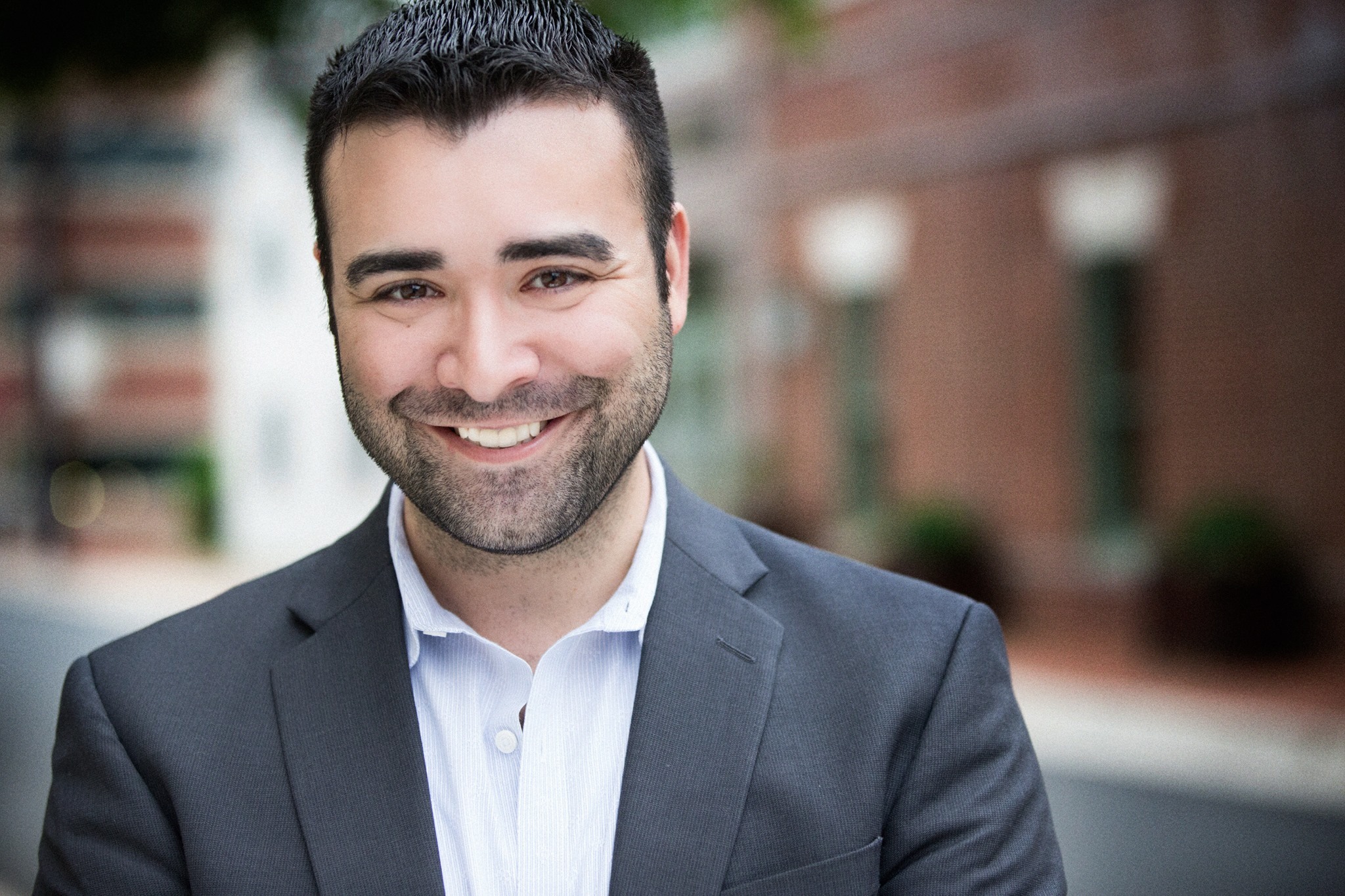
Benjamin started his recruiting career after graduating from the University of Central Florida with a degree in Economics. For the first 15 years of his professional career he supported large defense contracts, leading hiring efforts for some of the nation’s most complex and challenging government programs.
In 2018 he founded Select Source Solutions to continue supporting government customers while expanding his consulting practice. Now Benjamin combines his interest and education in economics to help employers understand how the hiring landscape reflects larger economic and tech trends and adjust their recruiting practices accordingly.
In his spare time Benjamin can be found running, traveling to new wine regions, hosting the Pinnacle Take Podcast for the Pinnacle Society, and The Elite Recruiter Podcast.



